Malaysia's Foreign Ministry confirmed on Wednesday that contact has been lost with 11 Malaysian citizens believed to be stranded in Nepal's Rasuwa district following a devastating natural disaster that struck the region. The communication breakdown, attributed to widespread damage to telecommunications infrastructure and power supplies across the affected area, prompted Wisma Putra to activate emergency protocols and mobilise its diplomatic resources in coordination with Nepalese authorities.
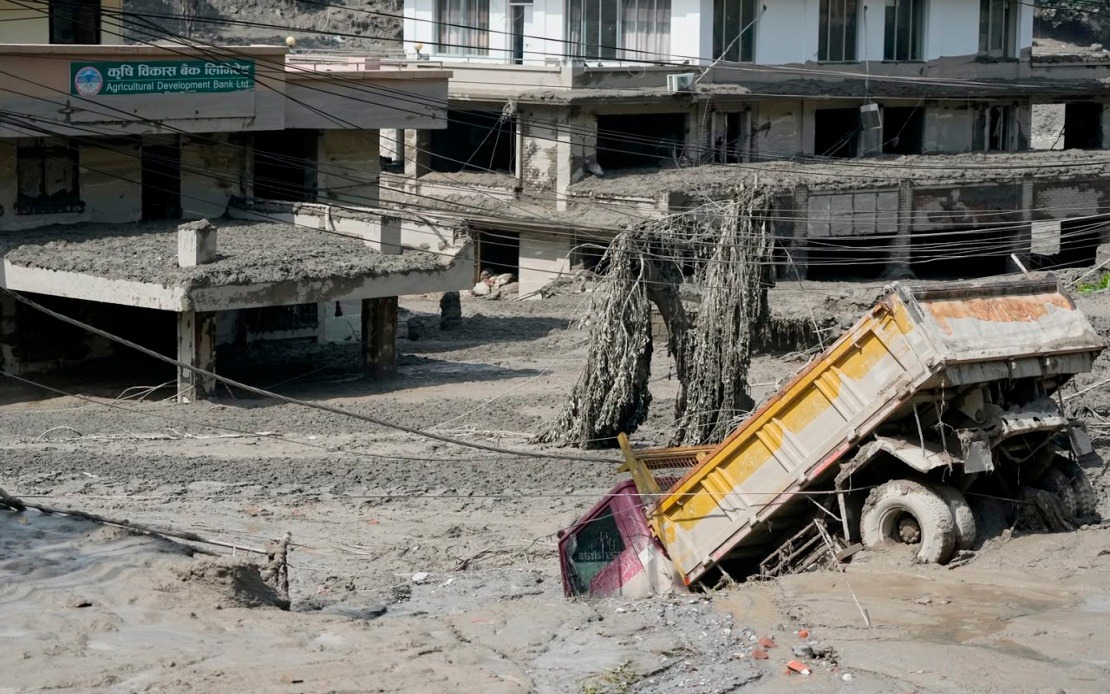
The catastrophe unfolded when a massive flash flood surged through the Bhote Koshi River valley in northern Rasuwa on Wednesday morning, an occurrence described in initial reports as particularly severe and destructive. The torrent of water caused significant destruction to commercial areas, residential settlements, and critical infrastructure throughout the locality. Local media accounts indicate that the scale of devastation has complicated immediate rescue efforts, as damaged communications networks have severed normal channels through which stranded tourists and residents might report their situations or receive assistance.
The Embassy of Malaysia in Kathmandu, working through reports submitted by travel agencies with operations in Nepal, detected the communication gap after business contact attempts went unanswered. Rather than wait passively, Malaysian diplomatic officials initiated active coordination mechanisms with Nepalese search and rescue teams that the government in Kathmandu had begun mobilising. This collaborative approach reflects standard protocols for cross-border emergency response, where diplomatic channels serve as liaisons between home governments and incident command structures in affected nations.
While confirmation of the 11 individuals' exact location and condition remains pending, officials have characterised the communication loss as a probable consequence of infrastructure damage rather than evidence of harm. Such distinctions carry significance for families awaiting news and for diplomatic planning, as they suggest the missing Malaysians may well be alive but simply unable to contact the outside world through conventional means. The geography of Rasuwa district, a mountainous region popular with trekkers and adventure tourists, compounds search difficulties during weather events that damage mountain roads and communication facilities.
Wisma Putra issued formal guidance to Malaysian residents and travellers throughout Nepal, instructing them to heighten situational awareness and comply with all directives issued by local authorities managing the emergency response. This advisory carries particular weight for Malaysian tourists, who constitute a steady stream of visitors to Nepal year-round, particularly during trekking seasons. The ministry specifically flagged the Rasuwa district and surrounding regions as areas requiring heightened caution, recognising that secondary hazards such as landslides often accompany primary flood events in mountainous terrain.
To facilitate more efficient location and communication during future emergencies, the Foreign Ministry reiterated its longstanding request that Malaysian citizens abroad utilise the e-Konsular portal at https://ekonsular.kln.gov.my to register their presence and maintain updated contact information. This digital platform serves as a critical database enabling embassies to rapidly account for nationals during crises. When properly maintained, such registries can dramatically reduce response times and improve coordination between search teams and family members. The government's emphasis on this point reflects lessons learned from previous disasters where unregistered citizens proved difficult to locate and verify.
The Embassy in Kathmandu established multiple emergency contact channels for Malaysian nationals requiring immediate assistance. Beyond standard embassy lines at +977 1 544 5680 and +977 1 544 5681, a dedicated consular desk operates at +977 1 544 5689, while a 24-hour emergency helpline functions at +977 980 100 8000. Email communications can be directed to [email protected], providing additional redundancy given the communication disruptions affecting the region. These multiple pathways acknowledge that during infrastructure failures, citizens may struggle to reach standard diplomatic channels, necessitating alternative contact methods.
For Malaysian families unable to reach relatives in Nepal, the embassy functions as an intermediary point of contact, though response capabilities depend upon whether communications can penetrate affected areas. The ministry committed to releasing regular updates as verified information emerges regarding the missing nationals' status. This pledge reflects both diplomatic responsibility and media management considerations, as families and the Malaysian public expect transparent communication about citizen welfare abroad.
The incident highlights broader vulnerabilities for Malaysian tourists and workers in mountainous regions of South and Southeast Asia, where natural disasters can rapidly render an area inaccessible and communications-isolated. Nepal's Rasuwa district, positioned at the gateway to the Langtang Valley trekking region, attracts considerable numbers of Malaysian adventure tourists seeking high-altitude experiences. The flash flood demonstrates how quickly favourable tourism conditions can transform into emergency situations, particularly during monsoon seasons when mountain valleys experience elevated flood risk. Malaysian authorities have implicitly acknowledged these risks through their coordinated embassy response and public advisory, signalling to future travellers that while tourism remains viable, environmental hazards require respect and preparation.

