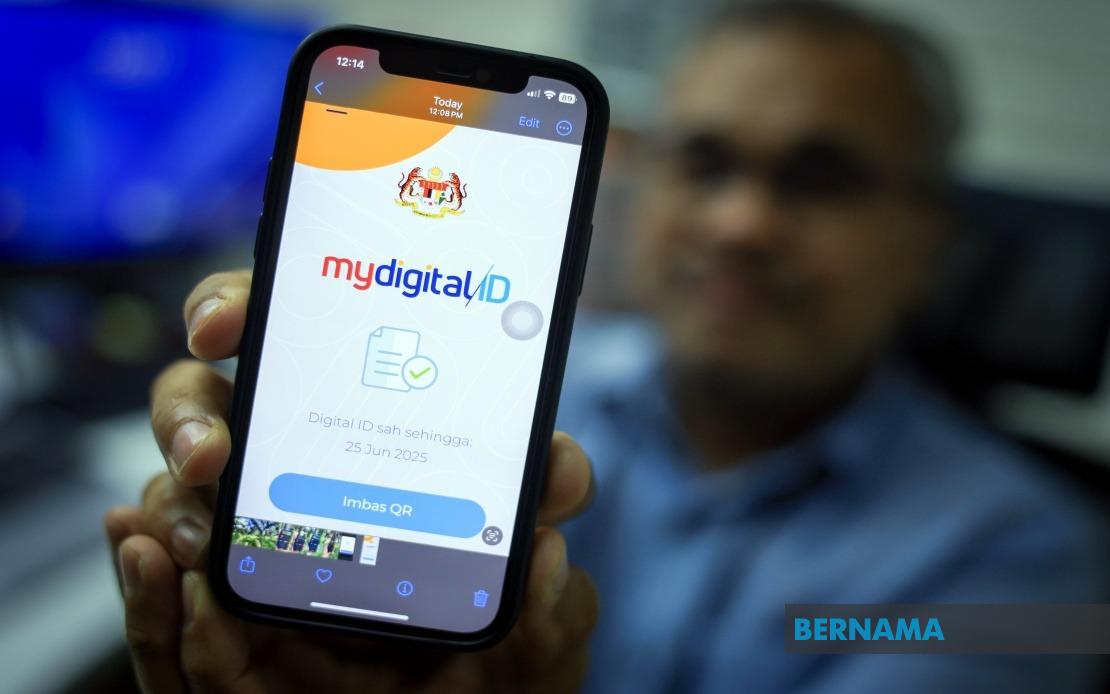
Malaysia's digital transformation programme has reached a significant milestone, with Deputy Prime Minister Datuk Seri Dr Ahmad Zahid Hamidi announcing that 12 million citizens had registered for MyDigital ID as of June 30. The uptake reflects growing acceptance of the government's push towards a unified digital identity ecosystem, a cornerstone of the country's broader digitalisation agenda. The cumulative transaction volume—encompassing 16 million registrations, renewals and cancellations—demonstrates considerable engagement with the platform, suggesting that Malaysians are increasingly comfortable conducting identity verification online.
The government has embarked on an ambitious integration strategy designed to create a seamless digital experience across government touchpoints. Ahmad Zahid, who also serves as Rural and Regional Development Minister, revealed that a Chief Secretary directive issued on January 14, 2025, mandated all federal ministries, departments, statutory bodies, state secretaries and local authorities to adopt MyDigital ID as their primary single sign-on mechanism. This top-down approach represents a deliberate attempt to standardise digital access across the Malaysian bureaucracy, eliminating the fragmentation that previously forced citizens to create multiple accounts and authenticate separately for different services.
The pace of integration has accelerated substantially, with 114 online government services now connected to MyDigital ID as of June 25, 2026. These encompass critical platforms including MyJPJ for vehicle-related transactions, MyPTPTN for loan management, SPA9 for civil service matters, and the Royal Malaysia Police's MyBayar payment portal. Each integrated service removes friction from citizen interactions with government, reducing both processing times and administrative burden. The breadth of participating agencies signals genuine commitment from government entities to the centralised authentication framework, though observers note that meaningful adoption depends on whether citizens actually prefer this unified approach over existing alternatives.
The integration extends beyond federal structures through the MyGOV Malaysia platform, developed by the National Digital Department (JDN), which now functions as a centralised gateway for accessing diverse government services through singular MyDigital ID authentication. This architectural approach mirrors successful models in other developed nations, where governments have recognised that citizens value convenience and reduced cognitive load more than maintaining separate digital identities for different purposes. The MyGOV integration represents a significant convergence point, potentially transforming how Malaysians interact with their government across multiple domains simultaneously.
State-level adoption, whilst progressing, remains less advanced than the federal level. Nineteen state government applications have integrated with MyDigital ID, whilst another 28 applications remain under active development. This bifurcated pace reflects genuine challenges in coordinating across Malaysia's federal structure, where state governments maintain autonomy over digital infrastructure and implementation timelines. The variation in readiness underscores that achieving truly comprehensive integration will require sustained effort and, potentially, additional incentives or mandates to encourage lagging jurisdictions to accelerate their transition.
The MyDigital ID initiative carries implications extending far beyond mere convenience. By establishing a centralised digital identity framework, Malaysia is building foundational infrastructure for future public services innovation, from healthcare delivery systems to social welfare distribution. The standardised authentication mechanism enables government agencies to design new integrated services that draw data from multiple sources, potentially delivering more personalised and responsive citizen experiences. Furthermore, the aggregated transaction data flowing through the system could provide policymakers with unprecedented insights into how Malaysians interact with government services, identifying bottlenecks and optimisation opportunities.
From a Southeast Asian perspective, Malaysia's progress on digital identity standardisation positions the country alongside regional leaders in digital government. The 12 million registration base represents substantial penetration, particularly considering that full digital adoption often requires time for behaviour change and public confidence-building. The government's enforcement mechanism—requiring federal and state agencies to implement the system—sidesteps the voluntary adoption challenges that have hampered some nations' digital identity programmes, potentially accelerating the timeline toward comprehensive integration.
However, challenges remain apparent beneath the headline figures. The gap between services integrated (114) and services theoretically available across federal and state bureaucracy suggests that penetration rates, whilst impressive in absolute terms, still reflect incomplete ecosystem transformation. The continued development of 28 state applications indicates that some jurisdictions are only now beginning their integration work, potentially creating two-tier access experiences for citizens depending on where they conduct transactions. Cyber security and data privacy concerns, whilst not explicitly discussed in the government's statement, remain critical considerations as the volume of personal data flowing through centralised digital systems expands.
The registration progression from earlier baselines indicates that citizen adoption accelerates as services multiply and integration deepens. Early adopters who registered with limited service options may have encountered friction, but newer registrants benefit from encountering MyDigital ID already embedded in frequently-used government platforms. This positive feedback loop—where more integration drives adoption, which justifies further integration—suggests the ecosystem could reach critical mass within coming years. Yet success ultimately depends on maintaining security standards, ensuring equitable access for digitally disadvantaged populations, and demonstrating tangible efficiency gains that vindicate the substantial investment in centralised identity infrastructure.
Looking forward, the trajectory set by these integration targets positions Malaysia to leverage digital identity for increasingly sophisticated government innovations. Smart service bundling, automated benefit eligibility determination, and integrated regulatory compliance could emerge once the foundational authentication layer achieves near-universal adoption. The 12 million registrations represent not merely a statistical achievement but evidence that Malaysians increasingly perceive digital government identity as legitimate, beneficial, and sufficiently trustworthy to warrant their engagement.

