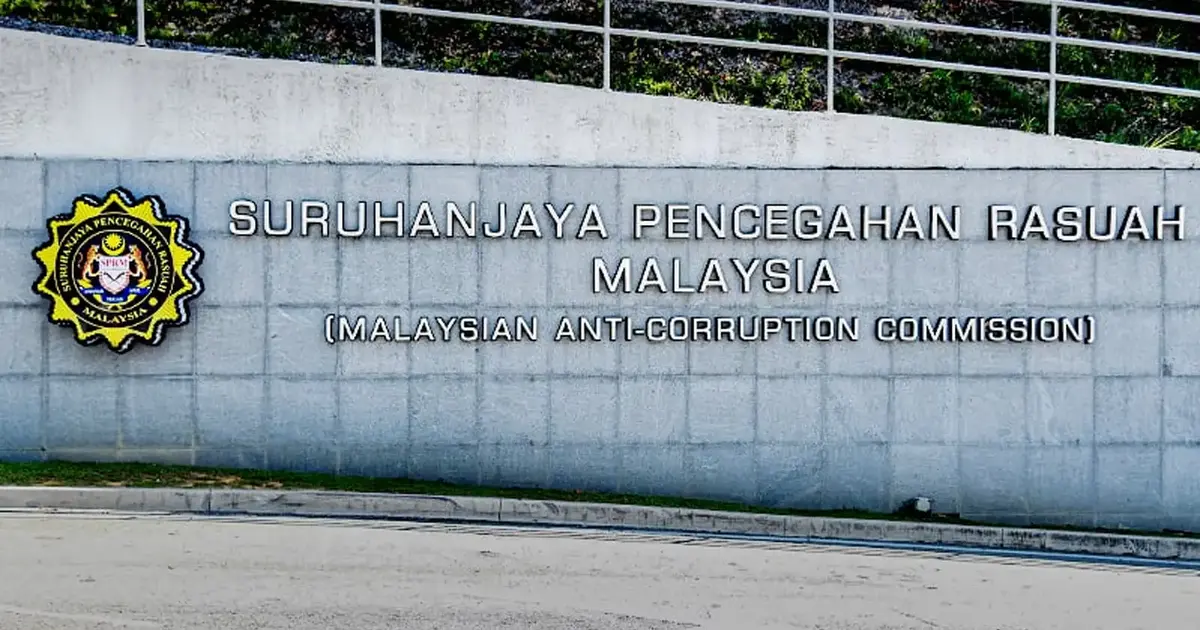
Thirteen company owners are set to face criminal proceedings before the courts tomorrow as the Malaysian Anti-Corruption Commission (MACC) escalates its crackdown on fraudulent activities connected to the government's flagship Daya Kerjaya 2.0 employment initiative. The action represents a significant enforcement milestone in the anti-corruption agency's ongoing investigation into the scheme, which was designed to boost job creation and skills development across Malaysian industry.
The cases stem from a comprehensive investigation that uncovered various forms of misconduct within the programme's implementation framework. These irregularities, detected during MACC's systematic audit and enforcement operations, prompted the agency to refer the matters for prosecution. The timing of these prosecutions underscores the government's stated commitment to combating corruption within public-sector initiatives, particularly programmes involving substantial public expenditure and private-sector participation.
Daya Kerjaya 2.0, a successor to the original Daya Kerjaya programme, was established to provide employment assistance and skills training for jobseekers while engaging private companies in workforce development. The scheme has become increasingly important given Malaysia's ongoing efforts to address youth unemployment and skills mismatch in the labour market. However, the discovery of irregularities indicates that oversight mechanisms may require strengthening to prevent exploitation of government-backed initiatives by unscrupulous operators.
The nature of alleged misconduct within the programme suggests potential abuse ranging from misrepresentation of job placements to financial irregularities in programme administration. Such breaches undermine the scheme's primary objective and deplete resources that could otherwise benefit genuine jobseekers and legitimate employers. The MACC's decision to pursue court action signals that the agency has gathered sufficient evidence to support prosecution and is confident in the strength of its cases.
This enforcement action carries broader implications for corporate governance in Malaysia's employment sector. Private firms partnering with government initiatives face heightened scrutiny, and the message is unambiguous: organisations that manipulate public programmes for private gain will face legal consequences. The prosecutions may prompt other companies involved in similar schemes to reassess their compliance practices and internal controls.
For Malaysia's labour market ecosystem, the impact is potentially stabilising. Jobseekers who have been misled or denied genuine placements through programme irregularities may see these prosecutions as vindication of their grievances. Legitimate employers participating in Daya Kerjaya 2.0 also benefit from the removal of competitors who operate through fraudulent means, creating a more level playing field for ethical business practices.
The MACC's intensified focus on public-sector programme integrity reflects a broader regional and global trend toward strengthening anti-corruption enforcement. Southeast Asian economies, including Malaysia, have faced international scrutiny regarding transparency in government spending and contract management. This prosecution wave demonstrates that Malaysian authorities are willing to take decisive action, potentially enhancing the country's standing in international corruption perception indices.
Moreover, these cases highlight the vulnerability of employment schemes to manipulation. Government programmes, by their nature, involve transfer of public resources to private beneficiaries, creating opportunities for misconduct if controls are inadequate. The Daya Kerjaya 2.0 scheme's exposure of irregularities suggests that multi-agency oversight mechanisms may need enhancement, including stronger coordination between the Ministry of Human Resources, MACC, and relevant state labour departments.
The prosecutions tomorrow will likely establish important legal precedents regarding corporate liability within employment assistance schemes. Court rulings may establish clearer standards for programme participation and define the boundary between legitimate business practice and fraud within government initiatives. These precedents will influence how similar schemes are designed and monitored in future.
For jobseekers involved in Daya Kerjaya 2.0, the prosecution of company owners may offer some resolution, though it does not address the core harm suffered by individuals who lost placement opportunities or received inadequate training. The MACC's action thus warrants complementary measures, including victim compensation mechanisms and enhanced dispute resolution processes within the programme.
Looking forward, the enforcement action will likely prompt a comprehensive review of programme safeguards. Government agencies may implement stricter verification procedures for employer claims, enhanced monitoring of job placements, and more rigorous financial audits. Such measures could increase administrative costs but would strengthen programme integrity and public confidence.
The prosecution of these 13 company owners represents not merely a legal matter but a critical moment in establishing stronger institutional norms around programme integrity. As Malaysia continues to expand government-backed employment and skills initiatives to support economic objectives, ensuring that such schemes function honestly and deliver genuine benefits to participants remains paramount. The courts' handling of these cases will significantly influence corporate behaviour in the broader public-private partnership landscape.

