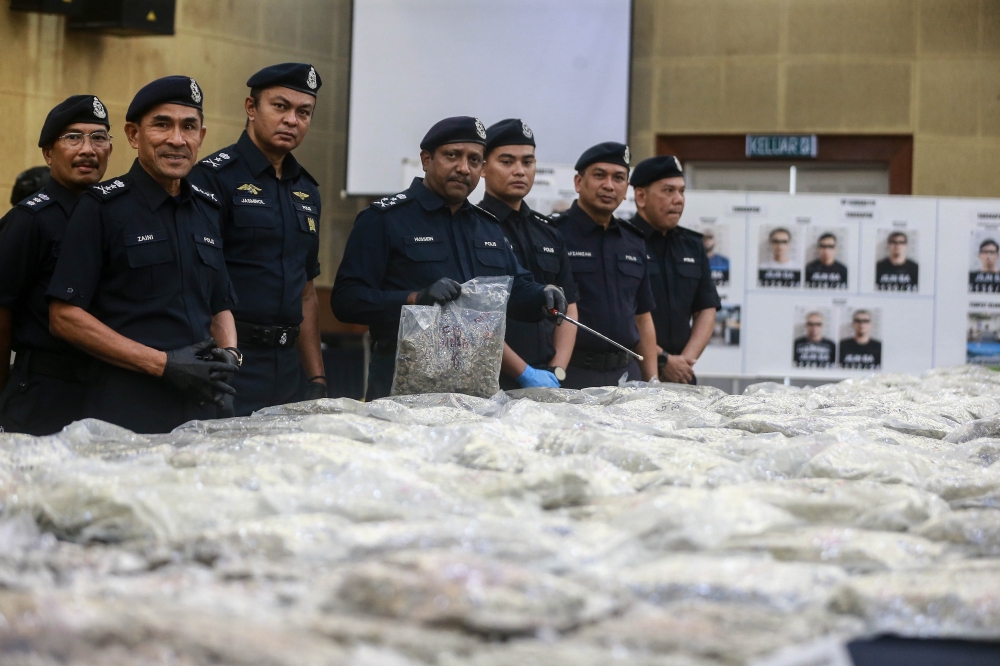
Malaysian authorities have sounded an alarm over the scale of drug smuggling operations being orchestrated through Kuala Lumpur International Airport, with police confirming that 14 Malaysian nationals have been arrested in foreign countries since January for their alleged involvement in international narcotics trafficking. The disclosure highlights the persistent challenges facing law enforcement in combating organised drug networks that continue to exploit Malaysia's major transport hub as a pivotal point in their supply chains.
The arrests, which have occurred across multiple countries, underscore a troubling pattern whereby Malaysian citizens are being recruited or coerced into playing crucial roles within international smuggling syndicates. These individuals, operating from Malaysian soil or international locations, have become central to networks that move illicit substances across borders. The geographic spread of arrests indicates that these operations are sophisticated, multinational ventures rather than isolated criminal incidents, suggesting that organised crime groups have embedded themselves deeply within the aviation sector and related logistics chains.
KLIA's strategic position as one of Southeast Asia's busiest international hubs makes it an attractive target for transnational drug trafficking organisations. The airport handles hundreds of thousands of passengers and tonnes of cargo annually, creating countless opportunities for smugglers to conceal contraband within legitimate traveller baggage or freight containers. The sheer volume of traffic, combined with the complexity of screening procedures, has historically presented vulnerabilities that criminal networks are well-positioned to exploit. For Malaysian citizens abroad, the consequences of involvement in such activities are severe, with many facing extended prison sentences and harsh penalties under the drug laws of their host nations.
The involvement of Malaysian nationals in overseas drug operations carries broader implications for Malaysia's international reputation and diplomatic relationships. When citizens are caught trafficking narcotics in foreign jurisdictions, it creates challenges for Malaysian diplomatic missions, which must navigate delicate negotiations regarding consular assistance while maintaining respect for the legal systems of host countries. The pattern also reflects how Malaysia has become integrated into broader regional and global drug trafficking networks, with domestic actors playing an increasingly visible role in cross-border operations.
Law enforcement agencies have intensified their focus on identifying and disrupting the networks that facilitate these operations. Airport security protocols have been upgraded to include enhanced screening technologies and intelligence-sharing arrangements with international counterparts. However, investigators recognise that traditional border control measures, while essential, cannot fully address the challenge when syndicates continually adapt their methods and recruit new participants. The sophistication of modern trafficking organisations, which employ encrypted communications and compartmentalised operational structures, means that identifying the full scope of involvement remains difficult.
The motivations driving Malaysian participation in international drug smuggling are complex and multifaceted. Economic desperation plays a significant role, particularly for individuals from lower-income backgrounds who are promised substantial sums for relatively simple tasks such as carrying baggage or posting packages. However, some participants operate at higher levels within these networks, managing logistics and coordinating international shipments. The recruitment of Malaysian citizens is often facilitated through social networks and underground communication channels, with traffickers deliberately targeting individuals with airport access or travel flexibility.
The investigation and prosecution of these cases involves extensive cooperation between Malaysian authorities and their counterparts in destination countries. Bilateral agreements on extradition, mutual legal assistance, and information-sharing have become increasingly important as narcotics trafficking has grown more internationalised. Intelligence agencies track known smuggling routes and monitor financial transactions associated with trafficking activities, though the use of cryptocurrency and informal money transfer systems complicates these efforts significantly.
For Malaysia, the challenge extends beyond the immediate arrests to encompass the broader issue of supply chain security and organised crime infiltration. Syndicates that successfully move drugs through KLIA demonstrate operational capability that threatens not only the viability of Malaysia's aviation sector but also compounds public health crises in destination countries. The reputational damage to Malaysian institutions and the economic costs of enhanced security measures represent significant collateral consequences of trafficking networks' activities.
Moving forward, authorities are emphasising prevention strategies alongside enforcement. Community awareness campaigns highlight the risks and legal consequences of involvement in drug trafficking, targeting particularly vulnerable populations that traffickers typically recruit. Education initiatives in schools and vocational institutions aim to build resistance to recruitment tactics. Simultaneously, airport operators and airline personnel receive training to identify suspicious activities and suspicious baggage patterns that may indicate smuggling attempts.
The arrest of 14 Malaysian nationals overseas since January reflects a critical juncture in Malaysia's fight against organised drug trafficking. While each arrest represents a disruption of specific smuggling operations, the underlying networks continue to adapt and recruit replacement operatives. Addressing this challenge comprehensively requires sustained cooperation between government agencies, international partners, and communities, alongside continued investment in intelligence capabilities and investigative resources. The battle against transnational drug trafficking remains one of the most pressing security challenges confronting Southeast Asia, with Malaysia's strategic location making it both a key frontline and a testing ground for evolving counter-trafficking strategies.

