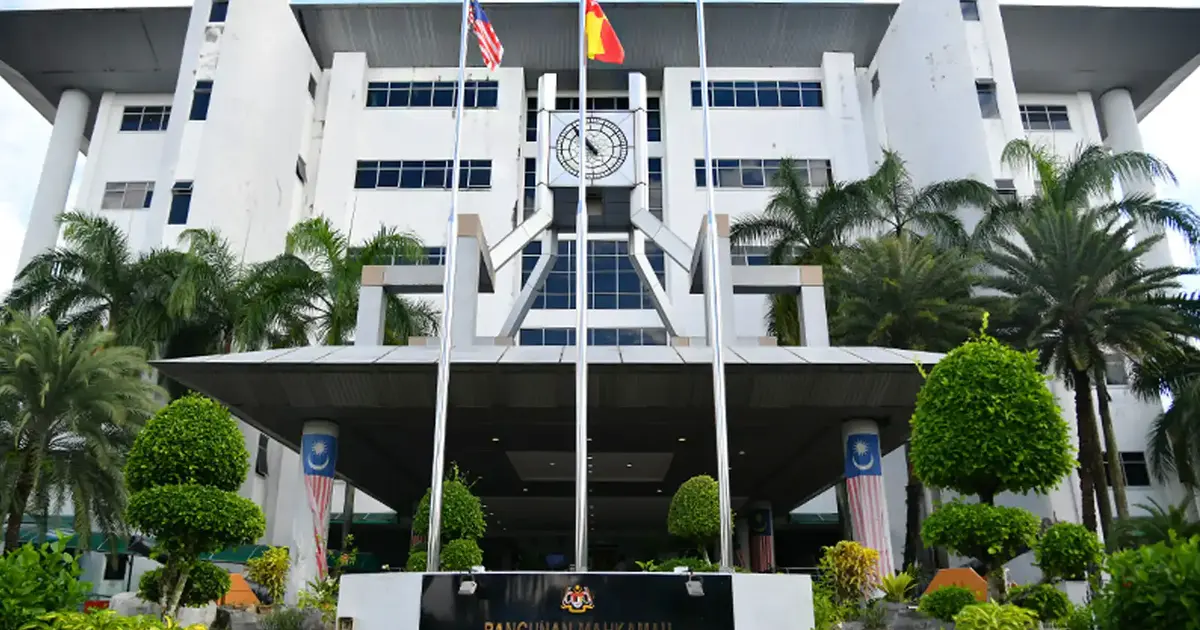
A Shah Alam High Court judge has determined that prosecution evidence meets the threshold for trial to proceed against a 15-year-old boy accused in a school homicide case centring on Bandar Utama. Justice Adlin Abd Majid ruled that the state had established a prima facie case—the legal standard requiring sufficient grounds for the charges to move forward—prompting the teenager to enter his defence and face trial on the allegations.
The decision represents a pivotal juncture in what has emerged as a high-profile case within Malaysia's education and justice systems. The handling of incidents involving minors in schools has long been a sensitive matter in the country, drawing intense public scrutiny and sparking broader conversations about school safety, youth behaviour, and the juvenile justice framework. The fact that the accused is a minor adds layers of complexity to the proceedings, raising questions about rehabilitation, culpability, and the appropriate balance between accountability and intervention in youth cases.
Prima facie determinations serve as critical gatekeepers in Malaysia's criminal justice architecture. Rather than determining guilt or innocence at this stage, judges assess whether the prosecution has presented adequate evidence suggesting the accused more likely than not committed the offence. The threshold is deliberately set lower than proof beyond reasonable doubt—the standard required for conviction—allowing cases with credible foundations to advance to trial. Justice Adlin's finding suggests prosecutors presented coherent testimony, forensic material, or witness statements sufficient to warrant full examination before a trial judge or jury.
The implications for the teenager are profound. Entering defence means he must now present his own evidence and arguments to counter the prosecution case. Young accused persons face particular pressures at this juncture: they must navigate a complex legal system with assistance from their legal representatives, understand the gravity of proceedings, and prepare their narrative in response to allegations. For his family and community, the trial phase signals that the matter will not be resolved through preliminary inquiry dismissal, intensifying the public and personal dimensions of the case.
School-related incidents resulting in fatalities have prompted Malaysian policymakers to examine security protocols, counselling frameworks, and early intervention mechanisms in educational institutions. The Bandar Utama case will likely influence broader discussions about whether schools require enhanced protective measures, whether youth with behavioural risks are receiving adequate support, and how educators and administrators can identify warning signs. These conversations extend beyond individual culpability to systemic vulnerabilities that education authorities may need to address.
The case also touches upon Malaysia's juvenile justice system, which operates under the Child Act 2001 and aims to balance protection, rehabilitation, and accountability for young offenders. The Act provides mechanisms for rehabilitative rather than purely punitive approaches, though serious offences may result in trial and incarceration. Defence counsel will likely marshal arguments concerning the teenager's background, psychological state, circumstances, and potential for rehabilitation—factors that judges may weigh even when determining guilt or appropriate sentencing if conviction results.
Public perception surrounding the case has been shaped by the severity of the allegations and the school setting, which Malaysians typically regard as sanctuaries requiring protection. Media coverage, social media commentary, and community reactions have created a backdrop of heightened emotion and concern. The court's progression toward trial will unfold under continued public attention, testing the judicial system's commitment to due process whilst managing expectations in cases attracting significant societal interest.
The defence strategy moving forward will shape how the trial unfolds. The teenager's legal team may challenge the reliability or interpretation of prosecution evidence, present alternative explanations for the allegations, offer character testimony, or establish reasonable doubt regarding critical elements of the case. The nature and strength of the defence case, presented after prosecution evidence is fully aired, will significantly influence the ultimate verdict.
For observers within Southeast Asia's broader legal community, Malaysia's handling of this case—particularly its application of juvenile justice principles and procedural protections—may offer insights into regional approaches to serious crimes involving minors. The transparency of proceedings and adherence to due process standards reflect upon Malaysia's justice system maturity and commitment to protecting the rights of all parties, including accused persons in their early teenage years.
As the case advances to trial, several dynamics will merit close watching: the specific charges and evidence prosecutors present, the defence arguments and witness testimony offered, the judge's approach to balancing youthful culpability with accountability, and ultimately, the verdict's implications for school safety and juvenile justice policy across Malaysia. For now, Justice Adlin's ruling ensures that rather than dismissal, the case will proceed to full adjudication, where both the facts and the teenager's legal responsibility will face comprehensive scrutiny.

