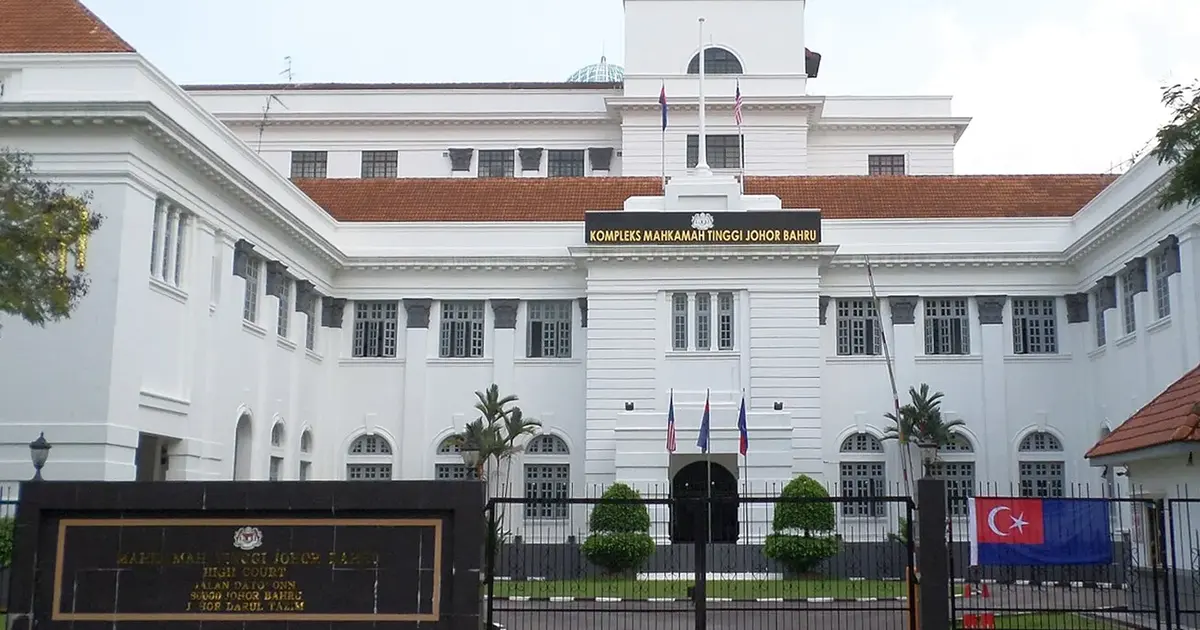
Malaysian law enforcement has brought charges against 159 Chinese nationals implicated in an extensive fraud scheme centred on the Forest City real estate project. The coordinated action represents a significant crackdown on organised criminal activity involving foreign nationals operating within the country's borders.
Beyond the primary fraud allegations, each of the accused individuals faces additional charges for unlawfully entering Malaysian territory. This dual-charge approach indicates that authorities detected not only the fraudulent activities themselves but also fundamental immigration violations that enabled the criminal operation to function across the country.
Forest City, a massive mixed-use development in Johor near Singapore, has attracted considerable foreign investment and media attention. The project's scale and appeal to international buyers, particularly from China and elsewhere in Asia, created circumstances that criminal networks apparently exploited. Fraudsters leveraged the project's reputation and sales infrastructure to perpetrate schemes that likely defrauded investors of substantial sums.
The scope of this investigation—involving 159 individuals—suggests a highly organised network rather than isolated incidents of dishonesty. Such coordinated fraud operations typically involve specialised roles: recruiters who identify targets, operators who manage transactions, and facilitators who handle logistics and documentation. The sheer number of accused points to a syndicate structure capable of targeting multiple victims across different channels simultaneously.
The inclusion of illegal entry charges alongside fraud allegations underscores Malaysia's multi-layered enforcement challenge. Immigration violations often provide criminal networks with operational cover and complicate authorities' ability to track their movements and activities. By charging on both fronts, prosecutors can pursue convictions through different legal pathways, increasing the likelihood of successful prosecutions even if certain fraud counts face evidentiary challenges.
Forest City itself has not been without controversy. While legitimate development and sales operations continue, the project's prominence and international investor base made it an attractive target for criminal exploitation. Real estate fraud schemes—whether involving property misrepresentation, ghost units, or identity theft in transactions—carry particular risks in high-value projects where transaction sums run into hundreds of thousands of ringgit or more.
The implications extend beyond the immediate case. Malaysia's status as a hub for regional investment and its geographic proximity to China make it susceptible to transnational criminal operations. Chinese-language fraud networks operating in Malaysia sometimes tap into community networks and familiarity with property markets to construct persuasive schemes. The arrest of 159 individuals signals heightened vigilance from authorities who have increasingly prioritised transnational organised crime.
For Malaysian property investors and buyers—both domestic and foreign—such cases underscore the importance of verifying credentials and conducting due diligence. Licensed property agents, escrow protections, and formal conveyancing processes exist specifically to shield buyers from fraudulent transactions. Nevertheless, sophisticated schemes can exploit information asymmetries, particularly when targeting international investors unfamiliar with Malaysian property regulations or enforcement mechanisms.
The scale of enforcement action also reflects evolving coordination between Malaysian law enforcement agencies. Modern fraud investigations, particularly those crossing jurisdictional and immigration domains, require seamless cooperation between commercial crime units, federal police, and immigration authorities. The coordinated charging of 159 individuals suggests agencies successfully pooled intelligence and conducted parallel investigations.
For the wider Southeast Asian region, the case carries cautionary implications. As property markets across the region attract unprecedented capital flows from China and other sources, criminal networks are adapting their tactics. Prosecutions like this one serve as important deterrents, though the sophisticated nature of many schemes means enforcement remains perpetually challenging.
Looking forward, successful prosecution of these cases will depend heavily on evidence quality, witness testimony, and international cooperation. If victims span multiple countries—a likely scenario given Chinese nationals' involvement—Malaysian authorities may need to coordinate with counterparts in China, Singapore, and other jurisdictions to build comprehensive cases. Such transnational cooperation has improved markedly in recent years but remains complex given sovereignty concerns and varying legal frameworks.
The Forest City fraud case ultimately reflects broader patterns in Malaysia's evolving crime landscape. As the country integrates more deeply into regional and global financial flows, transnational organised crime becomes an increasingly significant challenge. Enforcement successes like these operations are essential not only for protecting victims but also for maintaining institutional integrity and investor confidence in Malaysia's property and financial sectors.

