Sixteen retired personnel from the Malaysian Armed Forces will assume their positions as full-time wardens at eight MARA Junior Science Colleges beginning July 1, representing a significant expansion of efforts to reinforce discipline and safeguarding within Malaysia's premier residential secondary institutions. The appointment underscores the government's commitment to leveraging military expertise in addressing persistent concerns about student welfare, particularly in boarding school environments where duty of care remains a pressing institutional challenge.
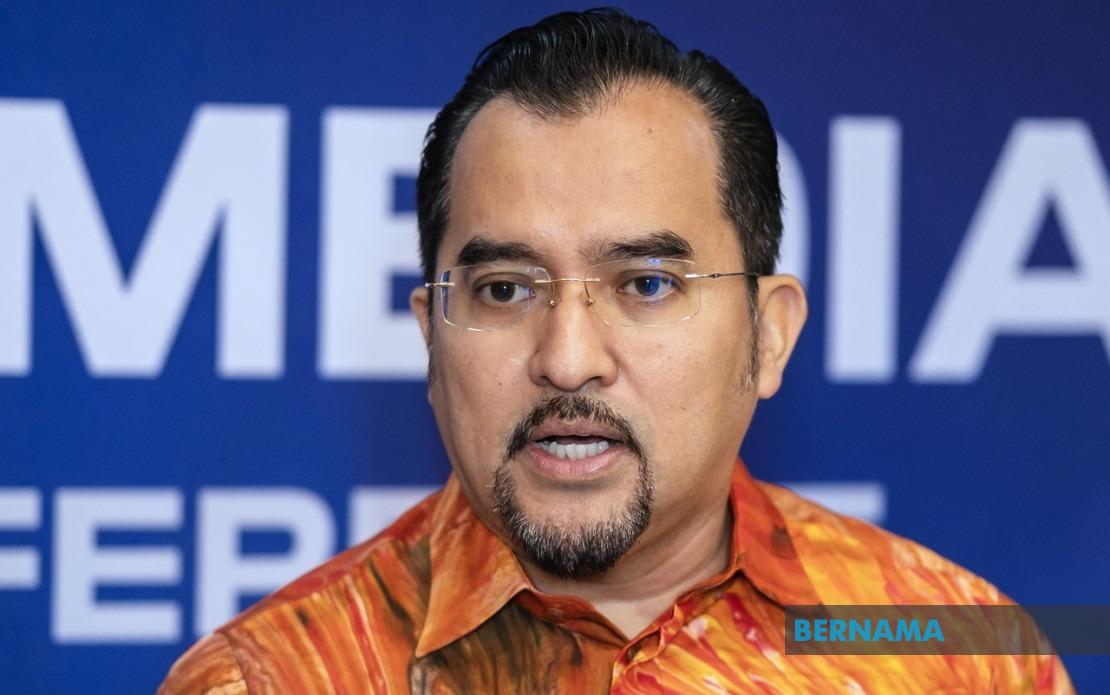
Mara Chairman Datuk Dr Asyraf Wajdi Dusuki articulated the strategic rationale behind the initiative, emphasizing that veteran wardens are expected to strengthen the institutional framework governing student behaviour while actively working to eliminate bullying across the selected colleges. This deployment reflects a deliberate policy choice to introduce structured, hierarchical management styles characteristic of military culture into the traditionally academic-focused environment of residential schools. The appointment structure envisions a comprehensive staffing model, with each of the eight participating MRSMs receiving two male and two female wardens, creating a total cohort of 32 personnel dedicated to pastoral and disciplinary responsibilities.
The current recruitment phase builds upon a foundational pilot programme that commenced in October 2025 at MRSM Besut and MRSM Balik Pulau. That preliminary venture tested the integration of military-trained wardens into MRSM settings, and the positive reception has apparently justified scaling the initiative. The expansion to eight institutions during this second phase signals institutional confidence in the model's effectiveness, though comprehensive assessment data on the pilot's outcomes remains unpublished in public discourse. This measured expansion approach suggests policymakers are proceeding with deliberate caution, allowing each phase to inform subsequent recruitment and training protocols.
The selection process has demonstrated considerable rigour, with 147 male candidates undergoing physical interviews during June at the MARA Higher Skills Institute in Kepong following multi-stage preliminary screening. The recruitment pipeline filtered applicants through initial assessments conducted jointly by the Veterans Affairs Department and TalentCorp before advancing qualified candidates to face-to-face evaluation. For the female warden component, 162 applications were received, with online assessments completed on June 25 and in-person interviews scheduled for early July. This staggered approach to male and female recruitment acknowledgement, institutional recognition that the latter cohort requires parallel but distinctly-sequenced evaluation timelines.
The appointment criteria establish stringent eligibility parameters reflecting institutional concerns about safeguarding. Candidates must be formally recognized Malaysian Armed Forces veterans who completed military service honourably and were not discharged due to misconduct, serious disciplinary violations, or legal infractions that might compromise their suitability for roles involving direct student supervision. This definitional boundary explicitly excludes individuals whose military service concluded under adverse circumstances, thereby creating a clearer distinction between military experience generally and the specific subset deemed appropriate for educational environments. The emphasis on honourable discharge status underscores that military credentials alone are insufficient; the manner of service conclusion carries decisive weight.
The screening apparatus extends far beyond traditional interview-based assessment, incorporating psychological profiling through multiple validated instruments including the MyNext OCEAN personality assessment, RIASEC career orientation testing, and military-specific psychological evaluations. Candidates also undergo mental health screening, body mass index assessment, and bleep fitness testing, establishing baseline physical and psychological competencies deemed necessary for warden roles. This comprehensive battery of evaluations reflects institutional anxiety about appointing individuals to positions of substantial authority over adolescents, particularly in residential settings where warden conduct directly shapes student experiences and institutional culture. The inclusion of psychological assessments specifically calibrated toward child protection issues and sexual misconduct risks indicates explicit institutional concern about historical failings and reputational vulnerabilities.
Before appointment letters are issued, shortlisted candidates face additional psychological evaluation conducted by Malaysian Armed Forces psychologists and counsellors, including biofeedback assessments. These final evaluations specifically examine psychological suitability for hostel placement, appropriate warden-student boundary maintenance, impulse control mechanisms, and risk indicators for sexual misconduct or child protection concerns. This final vetting layer, positioned immediately before formal appointment, represents institutional acknowledgment that earlier assessment stages may not capture subtle psychological vulnerabilities that emerge during specialized evaluation by military mental health professionals. The decision to position psychological clearance as a gate-keeping mechanism preceding appointment demonstrates heightened institutional consciousness regarding safeguarding protocols.
Criminal record verification through the Royal Malaysia Police and screening against the child sexual offenders registry occur prior to appointment confirmation, establishing procedural barriers against individuals with documented histories of legal violations or sexual misconduct. These background checks address historical vulnerabilities in Malaysian institutional environments, where biographical vetting has occasionally proven inadequate in identifying unsuitable personnel prior to appointment. The decision to cross-reference multiple databases reflects growing institutional awareness that single-source background checks may overlook relevant adverse information recorded across different law enforcement jurisdictions or specialized registries. This layered verification approach acknowledges that comprehensive safeguarding requires information synthesis from multiple institutional sources.
The programme's staged expansion timeline projects deployment across all 58 MARA Junior Science Colleges by January 2027, representing one of Malaysia's most substantial institutional ventures into veteran employment within educational settings. The phased rollout permits organizational learning, allowing institutional stakeholders to assess implementation challenges, refine warden training protocols, and adjust deployment strategies based on early-phase experiences. This methodical expansion approach contrasts sharply with rapid institutional reorganizations, instead prioritizing accumulated knowledge from sequential implementation phases. The decision to schedule third-phase commencement for January 2027 provides a six-month interval for comprehensive evaluation and protocol refinement based on the outcomes of the initial and second phases already underway.
Mara's public commitment emphasizes that student safety and well-being remain the paramount institutional priority, with warden appointments strictly conditional upon candidates satisfying every screening requirement while demonstrating genuine qualification, integrity, and psychological suitability for residential school environments. This rhetorical positioning addresses longstanding public anxiety regarding institutional safeguarding failures in Malaysian boarding schools, where high-profile misconduct cases have eroded parental confidence in traditional duty-of-care arrangements. By foregrounding the comprehensive nature of psychological and background screening protocols, institutional leadership attempts to communicate that this initiative represents fundamentally upgraded safeguarding practices rather than merely transferring military personnel into existing structures. The explicit acknowledgment that selection criteria prioritize care suitability over military rank or experience suggests institutional recognition that military credentials alone do not translate automatically into appropriate behaviour within pedagogical contexts.
For Malaysian parents and educators, this initiative carries significant implications regarding the future character of residential secondary education. The introduction of military-trained wardens into MRSM dormitories signals institutional conviction that traditional housemistress and housemasters models require supplementation with personnel trained in hierarchical discipline frameworks. This shift reflects both confidence in military professionalization and acknowledgment that established warden models have proven inadequate in addressing contemporary bullying and misconduct concerns. The careful implementation timeline and extensive screening protocols, however, suggest policymakers recognize that military institutional culture cannot be transplanted wholesale into academic environments without substantial adaptation and ongoing evaluation. For regional observers, Malaysia's systematic deployment of vetted veteran personnel in educational safeguarding roles offers an instructive case study in institutional attempts to rehabilitate confidence in residential school environments through deliberate personnel recruitment and comprehensive psychological profiling.

