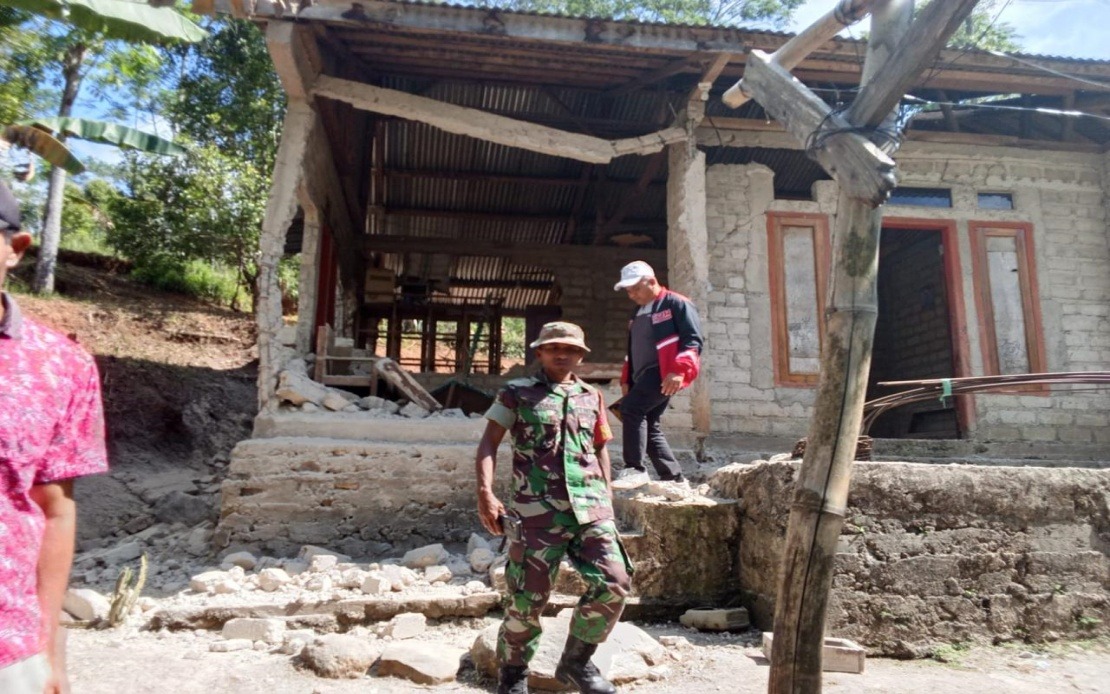
The Malaysian Foreign Ministry has declared that all 16 Malaysian nationals caught in the path of a powerful 7.7-magnitude earthquake in Indonesia's East Nusa Tenggara province are accounted for and safe. The confirmation came through a media advisory issued on Saturday, with the Malaysian Embassy in Jakarta having successfully made contact with the entire group in the aftermath of the disaster that struck the remote Flores Island region early on August 15.
The earthquake originated northeast of Mbay in Nagekeo Regency and registered at 7.7 on the moment magnitude scale, striking at 4:58 am local time when most residents and tourists would have been asleep. The tremor's significant strength and timing underscored the potential for considerable disruption across the densely populated and geologically active region. Flores Island sits along the Pacific Ring of Fire, a horseshoe-shaped belt of intense seismic activity that encompasses most of the world's active volcanoes and generates roughly 90 percent of its earthquakes.
The swift diplomatic response by Malaysia's mission in Jakarta demonstrates the embassy's capacity to mobilise resources during crises. Within hours of the earthquake, officials had established communication channels with the known group of Malaysian travellers in the affected zone, a crucial step that provided families back home with reassurance during an anxious period. The ministry's statement explicitly noted that no Malaysians had suffered injuries or other adverse effects from the disaster, a positive outcome given the earthquake's considerable magnitude and the unpredictable nature of seismic events.
The Foreign Ministry instructed all Malaysian residents and visitors in the impacted areas to maintain heightened alertness and strictly follow guidance from local Indonesian authorities. This advisory reflects standard protocol during natural disasters, when coordinated response from local emergency services becomes essential for protecting lives and minimising further harm. The ministry's emphasis on personal safety compliance underscores the potentially volatile aftermath that often follows major earthquakes, including aftershocks that can destabilise already-weakened structures.
Beyond the immediate incident, the ministry outlined a broader strategy for maintaining contact with Malaysian citizens throughout the region. Travellers and expatriates have been encouraged to register their details through Malaysia's e-Konsular portal, an online system designed to streamline emergency communication and facilitate rapid consular assistance when situations demand swift intervention. Regular updates to contact information stored in this database enable the embassy to reach individuals more efficiently, reducing response times during future emergencies.
For Malaysian tourists and business people requiring urgent help, the Malaysian Embassy in Jakarta has designated a dedicated emergency hotline accessible at +6281380813036, with email support available through [email protected]. These contact channels remain active 24 hours daily, ensuring that citizens facing sudden threats or injuries can reach qualified diplomatic personnel regardless of the hour. The provision of multiple communication avenues reflects lessons learned from previous regional disasters and underscores Malaysia's commitment to protecting its citizens abroad.
The ministry reiterated its commitment to continuous monitoring of the situation on Flores Island and throughout East Nusa Tenggara. As rescue and recovery operations unfold across the affected region, the embassy will maintain liaison with Indonesian counterparts to track any developments that might concern Malaysian nationals. This ongoing vigilance helps ensure that should additional Malaysians require assistance or suffer unexpected complications, the diplomatic machinery can respond without delay.
The earthquake's occurrence highlights the enduring risks faced by tourists and workers across Southeast Asia's geologically dynamic zones. While Indonesia's disaster management agencies possess considerable experience in responding to seismic events, the sheer frequency and sometimes unpredictable nature of tremors in this region mean that preparedness remains an ongoing challenge. Malaysian visitors planning trips to popular Indonesian destinations should familiarise themselves with earthquake safety procedures and stay informed about local emergency protocols.
For the broader Malaysian travel community, this incident serves as a reminder of the importance of maintaining open communication with family members while abroad and ensuring that embassy officials can locate them quickly when crises arise. The successful outcome in this case—where all tourists were confirmed safe—demonstrates the value of registration systems and rapid diplomatic coordination. As Malaysians continue to travel extensively throughout the Indonesian archipelago for tourism, business, and work purposes, maintaining these robust support mechanisms remains essential for protecting national interests and citizen welfare across the region.

