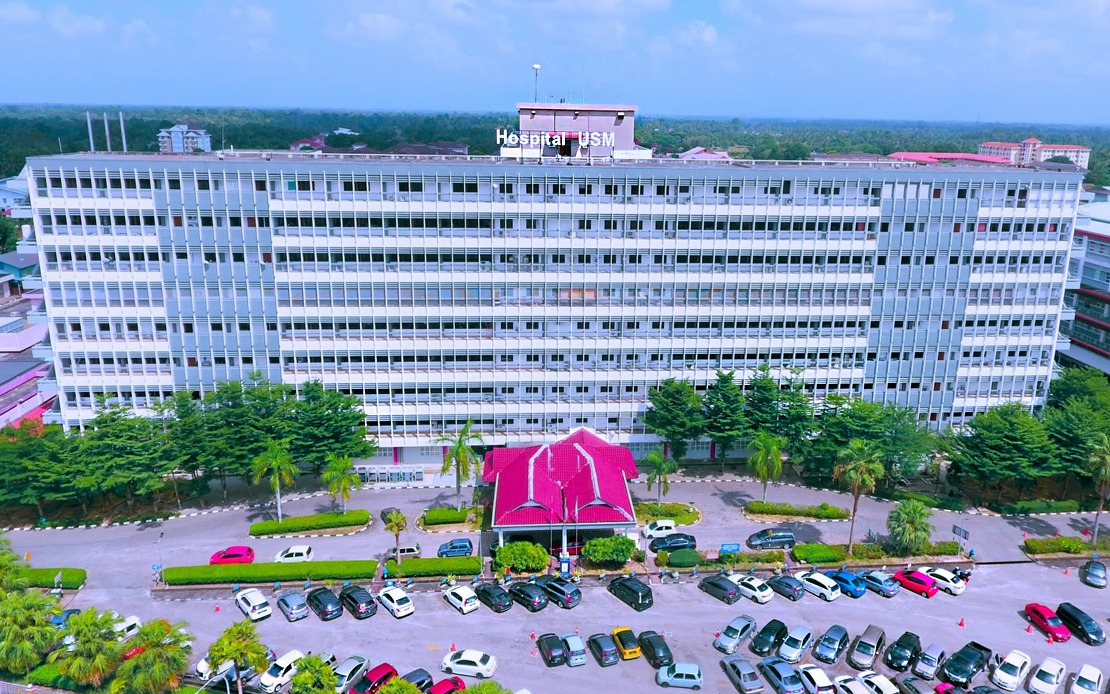
A five-day surgical intervention beginning this week in Kota Bharu will tackle a significant backlog of eye misalignment cases affecting young Malaysians. Universiti Sains Malaysia Specialist Hospital is preparing to conduct strabismus operations on 23 students aged seven to 19, marking the second iteration of a focused intervention programme designed to streamline treatment and eliminate delays that have plagued the healthcare system. The initiative represents a meaningful response to years of waiting periods that have frustrated families seeking corrective eye surgery for their children.
Strabismus, commonly known as crossed eyes or eye misalignment, remains far more than a superficial aesthetic concern. The condition compromises the fundamental mechanics of vision, disrupting the coordinated function of both eyes and preventing proper focus. For children during critical developmental years, untreated strabismus creates cascading complications beyond physical sight mechanics. The neurological pathways governing vision form during childhood, and misalignment during this window can permanently impair depth perception and three-dimensional visual processing. This makes timely intervention not merely beneficial but essential for ensuring normal visual development.
The emotional and psychological dimensions of the condition warrant equal attention. Strabismus frequently triggers social difficulties and behavioural challenges in school-age children, who may experience bullying or social isolation related to their appearance. The condition can undermine confidence during formative years when peer relationships and self-image carry substantial weight in development. Beyond social costs, children with untreated strabismus often struggle with academic performance, particularly in reading and spatial tasks that depend on coordinated binocular vision. Early surgical correction removes these compounding disadvantages.
Identifying these cases required systematic groundwork spanning three years. The hospital's Short-sightedness and Strabismus Eye Intervention Programme conducted comprehensive screening across schools throughout Kelantan, establishing a registry of students requiring treatment. From approximately 300 students identified with various eye problems, including strabismus cases, 23 qualified for immediate surgical intervention during the carnival period. This methodical identification process transformed what might otherwise remain a hidden health burden into documented clinical need with clear treatment pathways.
The carnival model assembles specialised expertise that most regional facilities cannot sustain independently. Ophthalmology consultants specialising specifically in strabismus surgery converge with general ophthalmologists and postgraduate students to provide comprehensive assessment and operative treatment. This concentration of expertise during a defined period creates efficiency gains and knowledge-sharing opportunities. Postgraduate medical students gain exposure to complex strabismus cases, strengthening the specialty workforce pipeline. The approach essentially replicates intensive surgical camps that have proven effective in addressing healthcare backlogs across Southeast Asia.
Financial barriers typically prevent families from pursuing strabismus surgery, particularly in rural areas where private ophthalmology remains inaccessible. The Kelantan Islamic Religious and Malay Customs Council, alongside contributing non-governmental organisations, funded the entire surgical programme. This partnership model demonstrates how public health institutions can leverage community resources and faith-based organisations to remove cost obstacles. Without subsidised treatment, many affected students would simply remain untreated, perpetuating the visual deficits and social consequences indefinitely.
The previous waiting period landscape painted a bleak picture for affected families. Several months represented the optimistic scenario; many cases extended into years-long delays. This administrative congestion likely reflected broader resource constraints within Malaysia's public eye care system, where demand outpaces surgical capacity. Extended waits proved particularly damaging in paediatric cases, where childhood represents an irreplaceable developmental window. The carnival's ability to compress five days what might otherwise require multiple months addresses not just administrative efficiency but fundamental child health outcomes.
Professor Dr Shatriah Ismail's articulation of strabismus as a condition affecting visual function, eye coordination, and psychological development underscores the holistic health burden. The condition does not exist in isolation as a purely cosmetic matter suitable for deferral or cosmetic-category prioritisation. Rather, strabismus represents a treatable developmental threat with documented impacts on learning, social integration, and visual capability throughout life. Children undergoing delayed treatment essentially accumulate preventable disadvantage across multiple domains simultaneously.
Kelantan's implementation reflects broader regional patterns in Malaysia where specialised surgical services concentrate in urban tertiary centres. Rural and smaller state populations often experience extended access delays for procedure-intensive specialties. The carnival approach provides a sustainable model for addressing these geographic disparities. By designating specific periods for intensive surgical campaigns, hospitals can concentrate resources strategically while accommodating the logistics of patient travel and surgical scheduling. This methodology has potential applicability across other surgical specialties experiencing similar backlogs.
The broader context of Malaysian healthcare equity emerges clearly from this initiative. Public health systems serve populations unable to access private ophthalmology care, yet resource constraints create waiting periods that effectively ration treatment. The carnival represents an institutional response prioritising need and developmental urgency over administrative convenience. For the 23 students about to undergo correction, this week's surgeries resolve a long-standing clinical burden. Beyond these individual cases, the programme signals that systematic identification and intervention remain feasible even within resource-constrained settings, provided institutional commitment and community partnership materialise.

