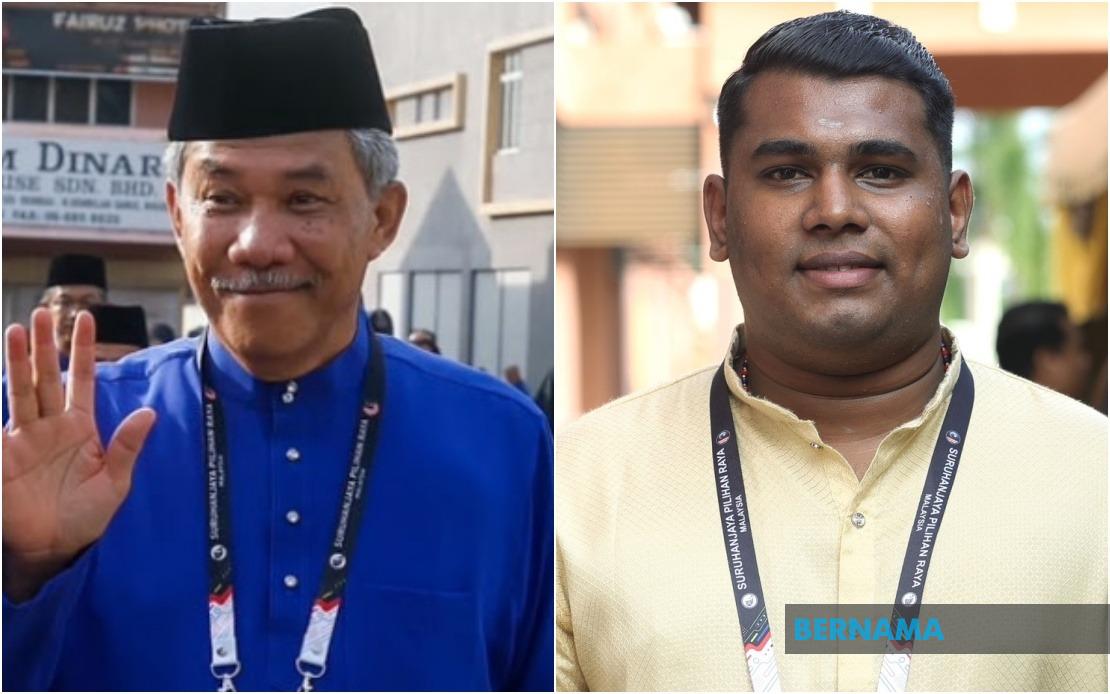
The 16th Negeri Sembilan state election has introduced a new record for youth participation in the electoral process, with M. Leevineshwaraan, a 23-year-old Bersatu representative, emerging as the youngest candidate in this year's polls. His candidacy marks a significant moment in Malaysian state-level politics, reflecting broader demographic shifts in political engagement and the willingness of younger voters and parties to test fresh faces in competitive electoral environments. Leevineshwaraan's entry into the political arena comes at a time when youth participation remains a focal point for many political observers monitoring generational changes across the country.
The young candidate faces a challenging five-way contest for the Sri Tanjung state seat, where he must establish credibility against experienced political operators within the same constituency. His primary obstacle is incumbent Datuk Dr G. Rajasekaran of Pakatan Harapan, who retained the seat in the previous election with a commanding 3,996-vote majority, demonstrating substantial grassroots support among constituents. This margin suggests that Leevineshwaraan must either mobilize new voters or convince existing supporters to switch allegiances, a task particularly difficult for a debut candidate competing against an established incumbent with demonstrated electoral appeal.
Leevineshwaraan's candidacy is not without precedent in recent electoral history, though his age does represent the lowest yet recorded in state elections. During the 15th Negeri Sembilan state polls held in 2023, Muhammad Syakir Fitri Sadri claimed the title of youngest candidate when he stood as an Independent for the Paroi state seat at 25 years old. The gradual lowering of the age barrier among candidates suggests that political parties are increasingly comfortable fielding younger individuals, possibly reflecting confidence in youth engagement or strategic calculations about voter preferences in specific constituencies.
The Sri Tanjung seat, situated within the broader Port Dickson parliamentary constituency, encompasses a voter base of 19,590 registered electors. This moderate electorate size offers both advantages and constraints for a candidate like Leevineshwaraan—the constituency is manageable for intensive grassroots campaigning, yet it remains large enough that name recognition and party machinery will play crucial roles in determining electoral outcomes. Understanding local issues, community concerns, and the specific socioeconomic composition of this Port Dickson district will be essential for any candidate seeking to gain traction with voters.
In sharp contrast to Leevineshwaraan's entry into politics stands the participation of considerably senior figures in this election cycle. Both Barisan Nasional deputy chairman Datuk Seri Mohamad Hasan and Pakatan Harapan's Abd Latif A Tambi have reached 70 years of age, making them the oldest candidates in the 2024 Negeri Sembilan state election. Mohamad is defending his traditional seat in Rantau, a constituency that falls within the Rembau parliamentary division and contains 34,831 eligible voters, while Abd Latif ventures into the Gemencheh contest situated within Tampin parliamentary constituency with 24,916 voters. Both candidates will compete in straightforward two-candidate races that will test whether experience and established networks continue to hold sway among voters increasingly exposed to generational change.
The presence of Mohamad and Abd Latif at the upper end of the age spectrum continues a pattern observed in previous electoral cycles, though the margin has narrowed slightly. During the 15th state election in 2023, Bujang Abu emerged as the oldest candidate at 72 years old, standing as an Independent contender. However, Bujang's absence from this cycle—attributed to administrative difficulties in providing required documentation to the Election Commission—illustrates how procedural requirements can affect candidate participation, regardless of political affiliation or electoral history. His withdrawal underscores the importance of logistical preparedness alongside political viability in state elections.
Women's representation in the Negeri Sembilan state polls shows modest but incremental progress, reflecting national discussions about gender balance in political participation. Of the 103 candidates contesting across all state seats, only nine identify as women—a figure representing approximately eight percent of the total candidate pool. Pakatan Harapan has fielded the highest number of female candidates with four representatives, demonstrating greater gender-conscious candidate selection within this coalition compared to its competitors. When compared to the previous election cycle in 2023, where eight of 83 total candidates were women, the current election represents a slight numerical increase despite the expansion of total candidate numbers, suggesting that gender diversity remains a work in progress across Malaysian state politics.
The expansion from 83 to 103 candidates between the 15th and 16th Negeri Sembilan elections indicates intensified competition or reconfigured constituencies, with additional candidates reflecting either additional seats or higher participation rates within existing seats. This growth in candidate numbers, paired with the marginal increase in female representation, suggests that while more people are contesting positions, the overall demographic composition of candidates remains relatively consistent, with long-standing patterns of male-dominated candidacy persisting despite awareness campaigns promoting inclusivity.
The electoral timetable for the 16th Negeri Sembilan state election provides voters with structured opportunities to participate across multiple days and voting methods. Early voting has been scheduled for July 28, allowing certain eligible voters—including security personnel, poll workers, and others unable to vote on the main day—to cast their ballots in advance. The official polling day is set for August 1, providing the primary voting window for the broader electorate. This two-stage voting arrangement, increasingly common in Malaysian elections, requires comprehensive voter education to ensure all eligible participants understand their voting rights and available options.
For Malaysian political observers and analysts, the 16th Negeri Sembilan state election encapsulates broader themes shaping contemporary domestic politics: the emergence of younger candidates testing electoral viability, the persistence of experienced political figures maintaining influence, ongoing questions about gender representation, and the strategic calculations of major political coalitions in contested states. The contest between Leevineshwaraan's youthful optimism and Dr Rajasekaran's demonstrated incumbency advantage, alongside the presence of septuagenarian figures retaining prominent positions, offers a microcosm of generational tensions and continuity within Malaysian democratic processes. As voters head to the polls, these elections will provide insights into whether established political patterns persist or whether new forces are reshaping state-level electoral dynamics in Peninsular Malaysia.

