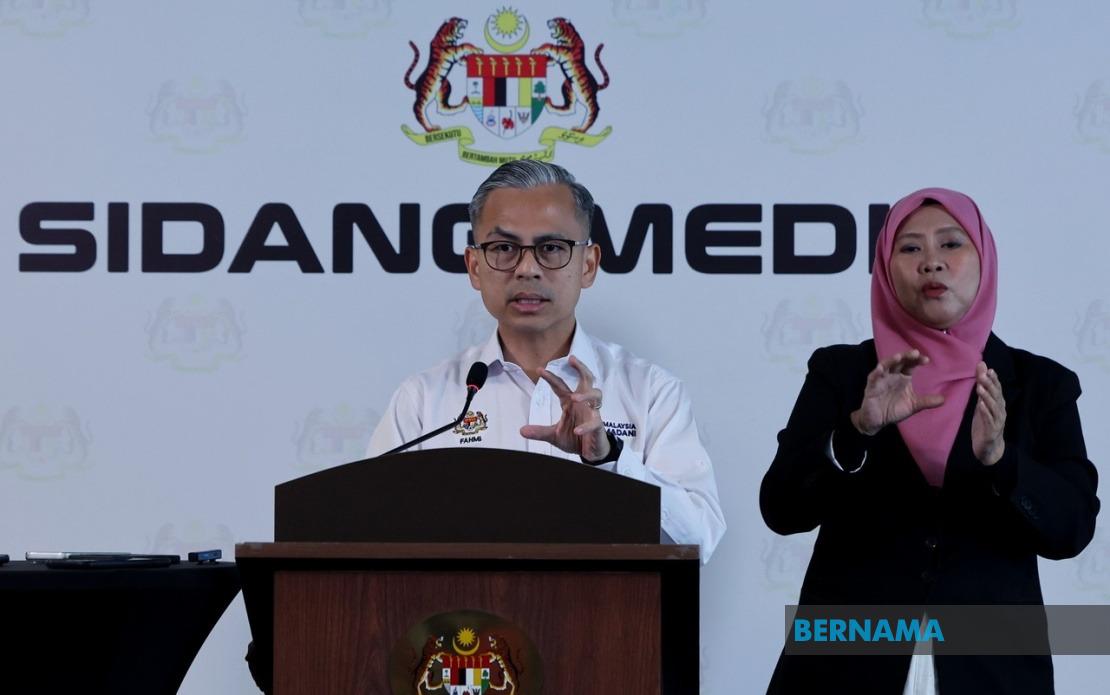
A substantial cohort of lawmakers representing diverse political interests is preparing to engage in parliamentary debate over the findings of the Royal Commission of Inquiry into Lembaga Tabung Haji, with Communications Minister Datuk Seri Fahmi Fadzil confirming that between 35 and 40 Members of Parliament have registered their intention to speak on the contentious matter. The special Dewan Rakyat sitting, positioned as a significant event in the legislative calendar, will convene on August 11 to examine a report that has raised serious questions about governance and financial stewardship at Malaysia's hajj savings institution.
The Malaysian government has invested considerable political capital in ensuring the session receives maximum transparency and public visibility. Dewan Rakyat Speaker Tan Sri Johari Abdul has sanctioned an uninterrupted parliamentary sitting that will commence at 10 am and extend into the afternoon, reflecting the gravity with which the administration treats the inquiry's conclusions. This commitment to continuous proceedings underscores an implicit acknowledgement that the issues under scrutiny demand thorough examination rather than rushed deliberation constrained by parliamentary time allocations.
Citizens across the nation will gain direct access to the unfolding debate through official broadcast channels, a deliberate choice that aligns with the MADANI government's professed commitment to transparency in governance matters affecting public institutions. This openness represents a departure from historical parliamentary practices and signals confidence in the merits of open discussion regarding institutional failures and corrective measures.
The Royal Commission of Inquiry completed its examination of Lembaga Tabung Haji's operations spanning the period from 2014 through 2020, a timeframe encompassing significant economic and political transitions within Malaysia. The commission's report, which became publicly accessible through the Department of Islamic Development Malaysia portal on July 29, documented a troubling pattern of investment decisions that substantially eroded the organisation's asset base. These findings carry particular resonance given Tabung Haji's foundational role as a financial instrument serving millions of Malaysian Muslims saving for one of Islam's Five Pillars.
Beyond identifying problematic investment choices, the inquiry unearthed evidence suggesting deliberate financial manipulation and information suppression. These discoveries extend the scope of concern from simple mismanagement to potential malfeasance, raising questions about internal control mechanisms and accountability structures within the institution. The commission's recommendation for forensic auditing of past investment decisions indicates that investigators believe systematic examination of transaction records and decision-making processes may reveal additional irregularities warranting legal or administrative action.
The scale of parliamentary interest—with roughly one-quarter to one-third of the Dewan Rakyat seeking speaking time—reflects the cross-cutting significance of the Tabung Haji situation. The institution serves as a vehicle through which ordinary Malaysians accumulate capital for religious pilgrimage, making governance failures at this entity matters of direct personal consequence for millions of households. Elected representatives from all political persuasions recognise the electoral and moral imperative to demonstrate engagement with constituents' legitimate concerns about institutional mismanagement.
For Malaysian observers, the RCI report carries implications extending beyond Tabung Haji itself. Public institutions across the government apparatus face similar vulnerabilities to compromised oversight, conflicted decision-making, and inadequate transparency mechanisms. The parliamentary debate will likely generate momentum for broader institutional reform, as lawmakers identify systemic deficiencies that may plague other government-linked entities and statutory bodies managing public resources or collective savings vehicles.
The timing of the special sitting also merits consideration within Malaysia's broader governance narrative. The MADANI administration has positioned itself as a reformist government committed to addressing legacy issues of institutional neglect and financial irregularity. By facilitating comprehensive parliamentary scrutiny of the RCI findings, the government seeks to validate its reform credentials while establishing precedent for similar transparent handling of institutional crises that may surface during its tenure.
Investors and observers of Malaysia's financial sector will likely scrutinise parliamentary deliberations for indications of how the government intends to address compensation mechanisms for affected Tabung Haji depositors. The scale of asset deterioration documented in the RCI report suggests that ordinary account holders may face material losses, raising questions about whether government guarantees, restructuring programmes, or corrective capital injections may be necessary to restore public confidence in the institution.
The inquiry's findings arrive amid elevated international and domestic focus on governance standards within Islamic financial institutions across Southeast Asia and the broader Muslim world. Malaysia's public handling of the Tabung Haji investigation sends signals about the nation's willingness to subject religious and cultural institutions to the same rigorous accountability standards applied to secular government entities. This approach may influence governance practices within other organisations operating in Malaysia's Islamic finance and humanitarian sectors.
Parliamentary members preparing to contribute to the August 11 debate face pressure to balance legitimate accountability demands with constructive proposals for institutional rehabilitation. The challenge extends beyond identifying failures to articulating pathways for restoring depositor confidence and rebuilding Tabung Haji's financial viability. Lawmakers aware of the institution's deep cultural and religious significance within Malaysian Muslim communities will likely endeavour to distinguish between holding current and former management responsible for documented failures while preserving the institution's essential societal function.
The special sitting represents a critical juncture in Malaysia's evolving approach to institutional accountability and parliamentary oversight. Subsequent government handling of the debate's recommendations and the mechanisms deployed to implement corrective actions will substantially determine whether this exercise in transparency translates into meaningful reform or merely provides the appearance of governance responsiveness.

