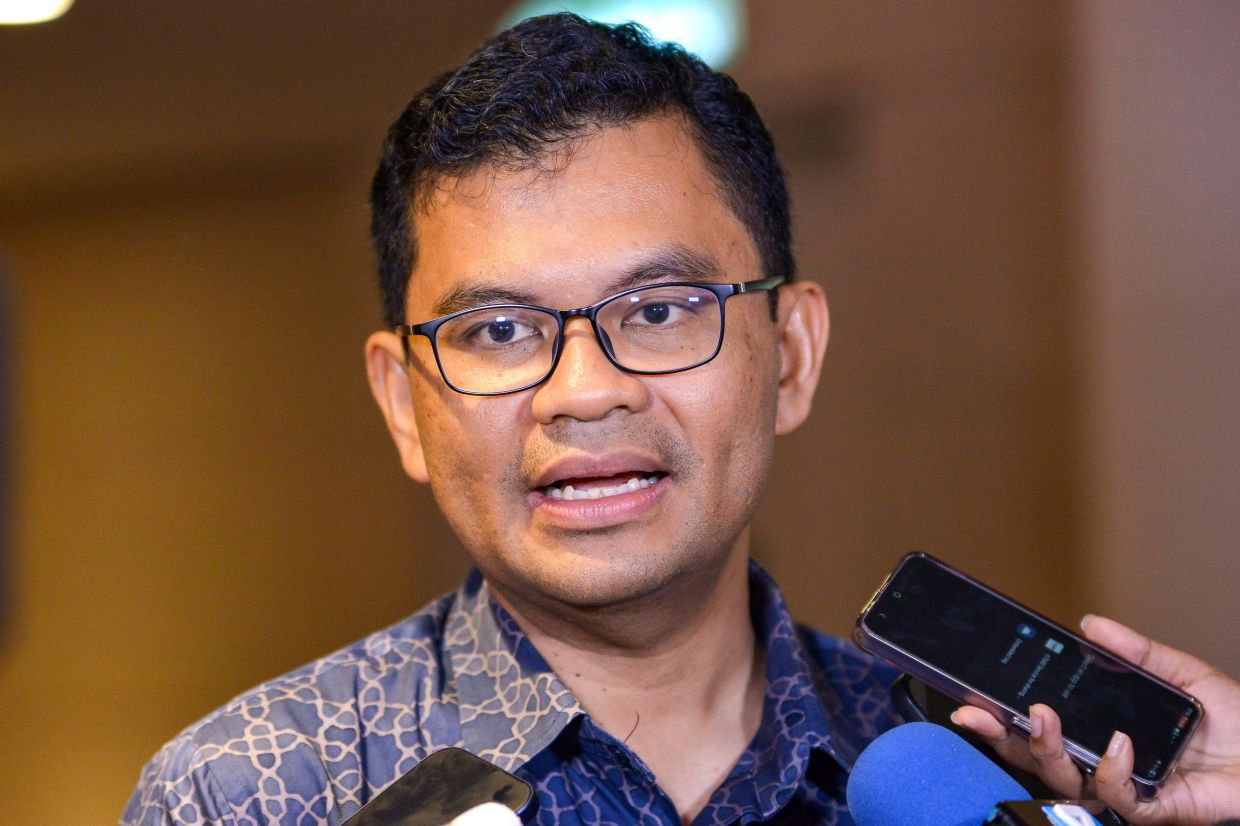
Malaysia's push to expand its renewable energy capacity took a significant step forward with the successful awarding of 42 Feed-in Tariff (FiT) projects to companies across the country. Announced by Economy Minister Akmal Nasrullah Mohd Nasir at the 7th International Sustainable Energy Summit, the initiative is projected to trigger approximately RM4.3 billion in total investment spending while adding 331.355 megawatts to the nation's clean energy generation portfolio.
The project distribution reflects a diverse renewable energy strategy. Sixteen winning bidders will develop biogas facilities, eleven will construct biomass plants, and fifteen will build small hydropower installations. This mix demonstrates Malaysia's commitment to leveraging multiple renewable sources rather than concentrating on any single technology. The biogas segment represents the smallest capacity contribution at 26.185 megawatts, while biomass projects will deliver 135.94 megawatts and hydropower installations 169.23 megawatts, with the latter category forming the backbone of the expansion.
Beyond the headline investment figures, the programme carries substantial ripple effects across Malaysia's manufacturing and employment landscape. The Ministry estimates that the selected projects will generate approximately RM617 million in demand for locally produced equipment, particularly gas engines and boilers essential to biogas and biomass operations. This domestic procurement requirement ensures that much of the RM4.3 billion investment circulates within the Malaysian economy rather than flowing overseas for foreign-manufactured components. Such industrial development strengthens the country's clean energy supply chains and builds technological expertise that can be exported regionally.
The employment dimension extends well beyond direct construction and operational roles. Akmal Nasrullah cited projections of approximately 7,738 indirect job opportunities arising from the initiative. These indirect positions span manufacturing facilities producing equipment, logistics and transportation networks servicing project sites, and professional services including engineering and project management. For regions hosting these renewable facilities—often in agricultural or rural areas—the economic injection can prove transformative by diversifying income streams beyond traditional industries.
The selection process underlying these 42 awards involved rigorous evaluation criteria. Akmal Nasrullah explained that the Sustainable Energy Development Authority (SEDA) Malaysia assessed applications against multiple factors including geographical suitability of proposed sites, tariff rates submitted by bidders, and technical feasibility assessments. Equally important were considerations of ecosystem readiness, meaning whether surrounding infrastructure and supply chains could adequately support project implementation. This comprehensive approach contrasts with simpler first-come-first-served allocation methods and ensures that selected projects are more likely to succeed operationally and financially.
Context matters when evaluating the scale of this selection. SEDA Malaysia received a total of 48 applications for biogas, biomass and hydropower resources representing a combined 370.480 megawatts of proposed capacity. The fact that 42 projects were approved from this pool—an 88 percent approval rate—suggests strong market interest in Malaysia's renewable energy opportunities under the FiT mechanism. However, it also indicates that some proposed projects failed to meet the stringent selection standards, underlining that government support for renewables remains conditional on technical and economic viability.
The timeline for project completion stretches across the latter half of the decade. Akmal Nasrullah indicated that the 42 projects are targeted to connect to the national electricity grid between 2029 and 2030. This three to four year implementation window reflects the complexity of developing renewable energy infrastructure, from securing land and environmental approvals to manufacturing or installing equipment and conducting grid integration studies. For investors and contractors, this extended timeline allows for phased capital deployment and reduces financial strain compared to compressed schedules.
Malaysia's FiT mechanism itself represents a proven policy instrument for renewable energy deployment. By guaranteeing fixed purchase prices for renewable electricity over extended periods, FiT schemes reduce investment uncertainty and enable project financing. The 2026 iteration of Malaysia's FiT programme builds on earlier tranches, demonstrating the government's sustained commitment to gradually replacing coal and fossil fuel generation with cleaner alternatives. For Southeast Asia, where energy demand continues accelerating due to economic growth and industrialisation, Malaysia's renewable energy expansion serves as a regional reference point.
The broader strategic objectives behind this initiative extend beyond immediate energy generation. Akmal Nasrullah articulated that the programme aims to increase renewable energy penetration within Malaysia's electricity mix, strengthen the domestic clean energy supply chain, attract continued investment from both local and international developers, and generate measurable economic value across manufacturing, employment and tax revenue. These objectives align with Malaysia's commitments under international climate agreements and with the energy transition priorities outlined in national development blueprints.
For Malaysian businesses and investors, the awarded projects signal sustained government backing for renewable energy ventures. The RM4.3 billion investment envelope creates opportunities for equipment suppliers, construction firms, engineering consultants and operational service providers. Additionally, the visibility provided by this award announcement may encourage additional renewable energy project proposals for future FiT tranches, creating a virtuous cycle of clean energy development.
Regional implications deserve consideration as well. As other Southeast Asian nations accelerate their renewable energy transitions, Malaysia's execution of large-scale FiT programmes demonstrates that the region possesses both the technical capacity and investment appetite for distributed renewable generation. Success in deploying 331 megawatts of additional capacity by 2030 could influence energy policy decisions across the bloc and attract multinational renewable energy companies to establish regional operations in Malaysia.
The selection of these 42 projects represents a concrete manifestation of Malaysia's energy transition aspirations. Rather than remaining abstract policy commitments, the awarded contracts now obligate companies to invest capital, deploy labour, and construct physical infrastructure generating clean electricity. The test of this programme will ultimately rest in whether these projects deliver on their promised capacity additions, investment figures, and employment benefits as they progress through development and commence operations in 2029 and 2030.

