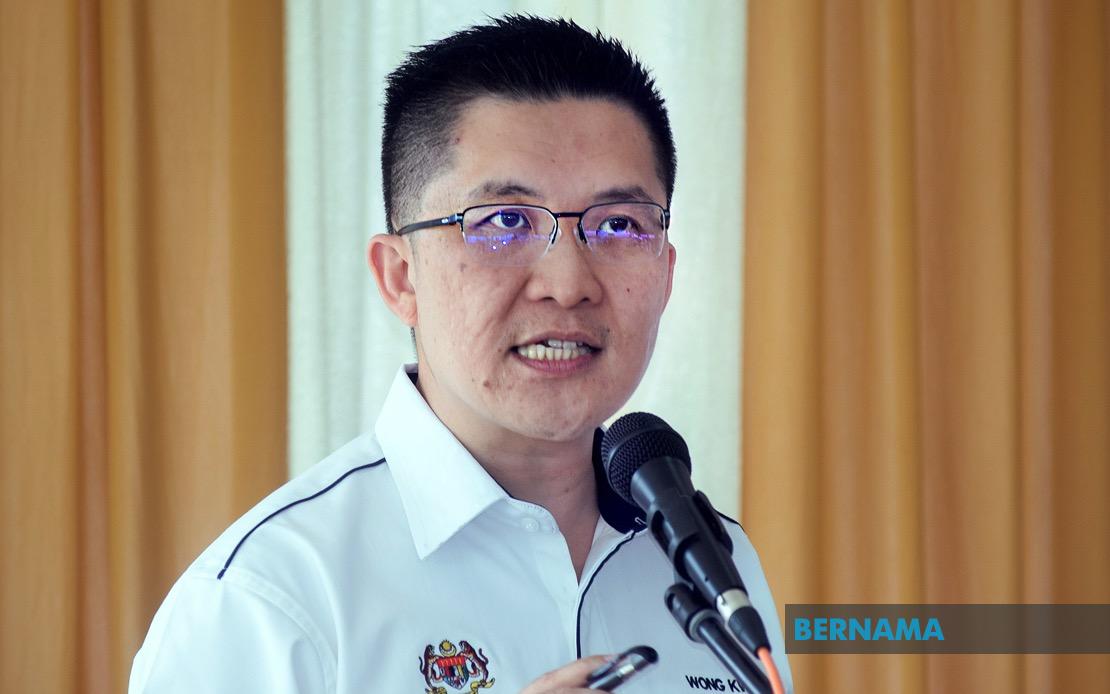
The landscape of Tamil-medium education in Malaysia encompasses 528 schools nationwide, collectively serving an enrolled student population of 78,501 as of the end of May 2026, according to statements made in Parliament. Deputy Education Minister Wong Kah Woh disclosed these figures while addressing concerns about the future of Tamil language instruction within the country's examination framework, underscoring the government's ongoing commitment to this vital educational pillar for the Indian-Malaysian community.
The trajectory of Tamil-medium student participation in Malaysia's primary examination system reveals a gradual decline over recent years. In 2023, some 8,023 candidates sat the Sijil Pelajaran Malaysia examination with Tamil as a subject, a figure that contracted to 7,925 the following year, then further to 7,693 in 2025, and most recently to 7,494 new candidates this year. This downward trend warrants careful attention from policymakers and educators alike, as it may reflect broader demographic shifts, migration patterns, or changing educational preferences among Tamil-speaking families in Malaysia.
Despite these enrolment patterns, the Ministry of Education has made explicit commitments regarding the preservation of Tamil as an examination subject. The ministry has clarified that Tamil language will remain a permanent fixture among the language options available through the Examinations Syndicate, ensuring that this linguistic and cultural heritage continues to be formally recognized and assessed within Malaysia's national education framework. This assurance is particularly important given historical concerns within the Indian-Malaysian community about the sustainability of Tamil education infrastructure.
A significant and often-overlooked aspect of Tamil language education in Malaysia is the accessibility mechanism that allows students from non-Tamil schools to sit Tamil examinations. The Ministry of Education has emphasized that pupils studying in schools where Tamil is not offered remain fully eligible to register for and complete the Tamil subject examination at SPM level, provided they meet standard examination registration requirements. This provision broadens the opportunity for Tamil language preservation beyond the formal SJKT system alone.
The concentrated distribution of Tamil schools in certain states reflects historical settlement patterns and demographic concentrations. Johor stands out as a major hub for Tamil education, hosting 71 schools with a combined enrolment of 12,906 pupils. Within Johor Bahru district specifically, 15 schools operate, collectively accommodating 7,840 students. Four institutions in the district have emerged as particularly large establishments: SJKT Taman Tun Aminah with 1,529 pupils, SJKT Ladang Rini with 1,055 students, SJKT Jalan Yahya Awal serving 890 pupils, and SJKT Masai with 768 enrolments. These figures illustrate the uneven geographic distribution of student populations across the Tamil school network.
Physical infrastructure development forms a cornerstone of the Ministry's strategy to support and modernize Tamil schools. Recent capital investments include the construction of new buildings at SJKT Ladang Rini and SJKT Kulai Besar, each receiving RM4.3 million in allocation. These projects are engineered to increase pupil accommodation capacity by 200 to 300 students per institution, addressing space constraints in growing communities. Such infrastructure spending reflects the ministry's tangible investment in the future sustainability of Tamil education rather than mere rhetorical support.
The phenomenon of under-enrolled schools presents a persistent operational challenge within the Tamil school system, with two institutions in Johor Bahru—SJKT Ladang Sungai Plentong and SJKT Ladang Mados—operating with fewer than 30 pupils each. To address this systemic issue systematically, the Ministry has established a comprehensive roadmap encompassing multiple interventions. These include the introduction of multi-grade classroom arrangements where students of different year levels share instruction, strategic school relocations to better-served communities, and the retention of institutions deemed essential to local educational access. As of May 31, 2026, a total of 135 under-enrolled Tamil schools nationwide had implemented multi-grade teaching arrangements, while 36 schools had received formal approval for relocation to more advantageous locations.
Teacher recruitment and retention remain critical factors in sustaining educational quality across Tamil schools. The Ministry's staffing analysis reveals a generally healthy situation in terms of teacher supply. For Tamil language instruction in primary Tamil schools, the identified requirement stands at 1,334 educators, yet current staffing levels have reached 1,733—a surplus of nearly 400 teachers. At secondary level, where Tamil is offered as an examination subject, the requirement is 584 teachers, with current staffing at 648. These figures suggest that the ministry has prioritized teacher allocation to the Tamil education sector, though uneven geographic distribution may create pockets of staffing difficulty in certain regions or smaller institutions.
The Ministry's commitment to educational quality extends beyond infrastructure and staffing to encompass curriculum innovation. The forthcoming implementation of the 2027 School Curriculum represents a significant pedagogical milestone for Tamil schools, promising enhanced teaching methodologies, refined learning objectives, and strengthened emphasis on Tamil literary traditions. This curriculum overhaul aims to ensure that Tamil education remains contemporary and engaging for students navigating an increasingly digital and globalized world while maintaining cultural authenticity and linguistic depth.
Public examination administration and grading methodology have become subjects of increased scrutiny and concern among various stakeholder communities in Malaysia. The Ministry has issued detailed clarifications regarding how examination grades are determined, emphasizing that results are not generated through quota systems or predetermined target percentages of students achieving particular grades. Rather, grading emerges through systematic and professional evaluation processes whereby panels comprising subject matter experts, curriculum specialists, and educational measurement professionals collectively assess student performance against established curriculum requirements, assessment objectives, and competency standards set for each examination subject.
The process through which examination grade boundaries are established reflects international best practices. Subject expert panels conduct comprehensive examinations of candidate performance cohorts, scrutinize the characteristics and difficulty profiles of examination instruments themselves, and cross-reference performance data against curriculum requirements and established competency standards before determining where grade boundaries should be positioned. This methodology mirrors systems employed across leading international examination organizations and aims to ensure consistency and fairness in assessment across the education system.
Grade boundaries themselves may fluctuate from year to year based on the particular performance characteristics of a given candidate cohort and variations in examination instrument properties, consistent with practices adopted internationally. This flexibility, while sometimes generating public controversy, reflects the reality that examinations must maintain comparable difficulty and standards across years while accommodating natural variations in student performance and achievement distributions. For Malaysian stakeholders invested in Tamil education's future, these assurances about examination integrity carry substantial significance, as public confidence in assessment fairness is essential to maintaining community engagement with formal schooling structures.

