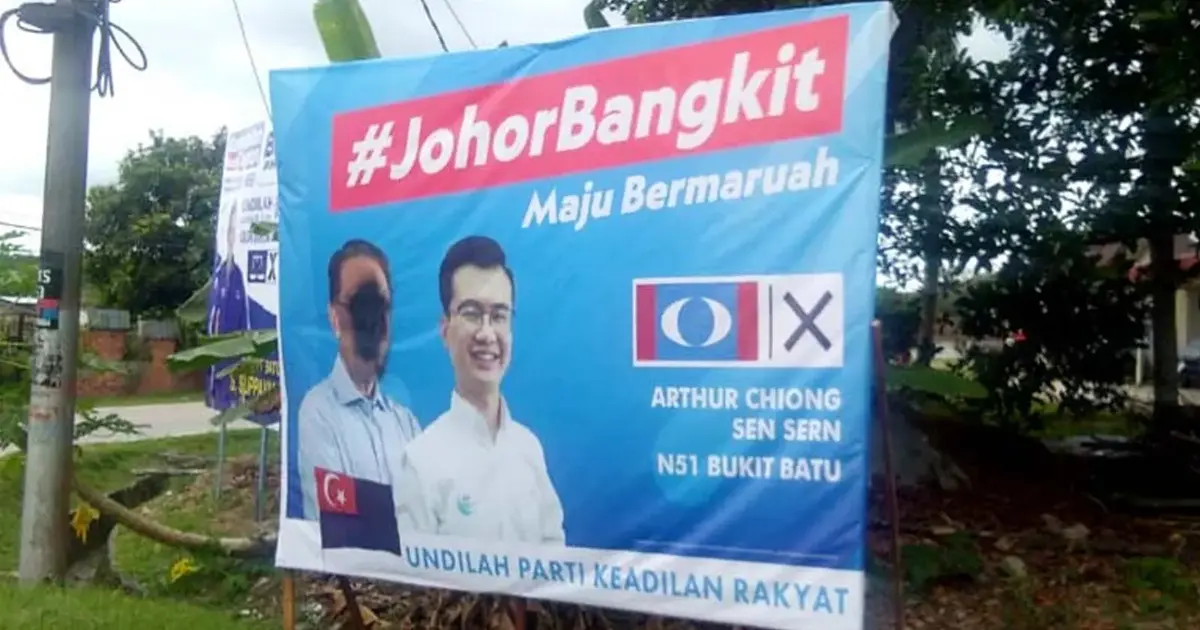
The Royal Malaysian Police have documented 90 separate complaints lodged across the nation during the campaign period, though only a quarter of these have advanced to the investigation stage, according to Inspector-General of Police Khalid Ismail. The relatively modest escalation rate reflects the nature of allegations being filed, which the police chief characterises as predominantly concerning petty offences rather than substantive breaches of electoral conduct or partisan misconduct.
The distinction drawn by Khalid Ismail between the volume of initial complaints and the number proceeding to formal inquiry carries significance for understanding the enforcement landscape during Malaysia's electoral process. By framing the bulk of reported incidents as minor matters—primarily vandalism and similar low-level infractions—the police leadership suggests that serious electoral violations or coordinated campaign misconduct have been limited. This assessment provides a baseline measure of the security and conduct environment during what is typically a sensitive period for democratic participation.
Vandalism emerged as the dominant category of complaint, encompassing everything from defaced campaign billboards to damaged property in public spaces. These incidents, while technically requiring police documentation and investigation, generally fall outside the realm of electoral crimes or party-sponsored wrongdoing. Instead, they represent opportunistic petty crimes that may exploit the heightened public visibility and reduced oversight accompanying campaign activities. The prevalence of such cases underscores the operational challenge facing law enforcement in protecting campaign infrastructure whilst maintaining proportionate response protocols.
The assertion that reported issues do not implicate the parties or candidates themselves is noteworthy, as it potentially deflects concerns about systemic electoral impropriety or institutional accountability. If accurate, this suggests that neither major nor minor political organisations faced substantive accusations of coordinated rule-breaking. However, the distinction between complaints targeting individuals acting independently versus those directed at formal party structures remains important for assessing the integrity of the electoral management system itself.
For Malaysian readers, this announcement contextualises the police's role as primarily custodians of general public order during campaign periods rather than aggressive enforcers of electoral regulation. The relatively low conversion rate from complaints to investigations may indicate either genuinely minor infractions or potential constraints on investigative capacity. Understanding which interpretation applies has broader implications for confidence in how electoral rules are enforced and whether problematic conduct receives adequate scrutiny.
The campaign period policing approach reflected in these figures demonstrates the balancing act required between facilitating free political expression and maintaining social order. Malaysia's federal structure means that campaign activities span multiple jurisdictions, complicating the coordination of complaint handling and investigation protocols. The 90 reports distributed across states and federal territories likely represent varying patterns of activity and complaint submission rather than uniform enforcement.
Comparative regional context reveals that campaign-period complaints are routine across Southeast Asian democracies, though absolute numbers vary considerably depending on population size, electoral system complexity, and civic engagement levels. Malaysia's experience mirrors broader patterns where minor infractions dominate complaint registers whilst serious electoral violations remain statistically uncommon—though their impact on electoral integrity can be disproportionately significant.
The 25 cases entering the investigation pipeline represent the police's preliminary filtering mechanism, wherein trained officers assess whether sufficient grounds exist to pursue formal inquiry. This gatekeeping function inevitably shapes which complaints receive investigative attention and resource allocation. The criteria applied during this screening process directly influence downstream outcomes and the ultimate accountability framework for campaign conduct.
Looking forward, the relatively quiet enforcement picture presented by these figures may provide reassurance about the operational environment or alternatively raise questions about the adequacy of monitoring and detection mechanisms. Electoral observers and civil society organisations typically maintain parallel documentation systems, and divergences between official police tallies and independent monitoring efforts can illuminate enforcement gaps or patterns of selective attention.
For candidates and parties preparing for future electoral cycles, the police's emphasis that investigations focus on individual infractions rather than institutional misconduct suggests that campaign strategy violation risks are primarily personal liability matters rather than organisational exposure. This distinction influences how parties structure campaign operations and allocate responsibility for regulatory compliance across their structures.

