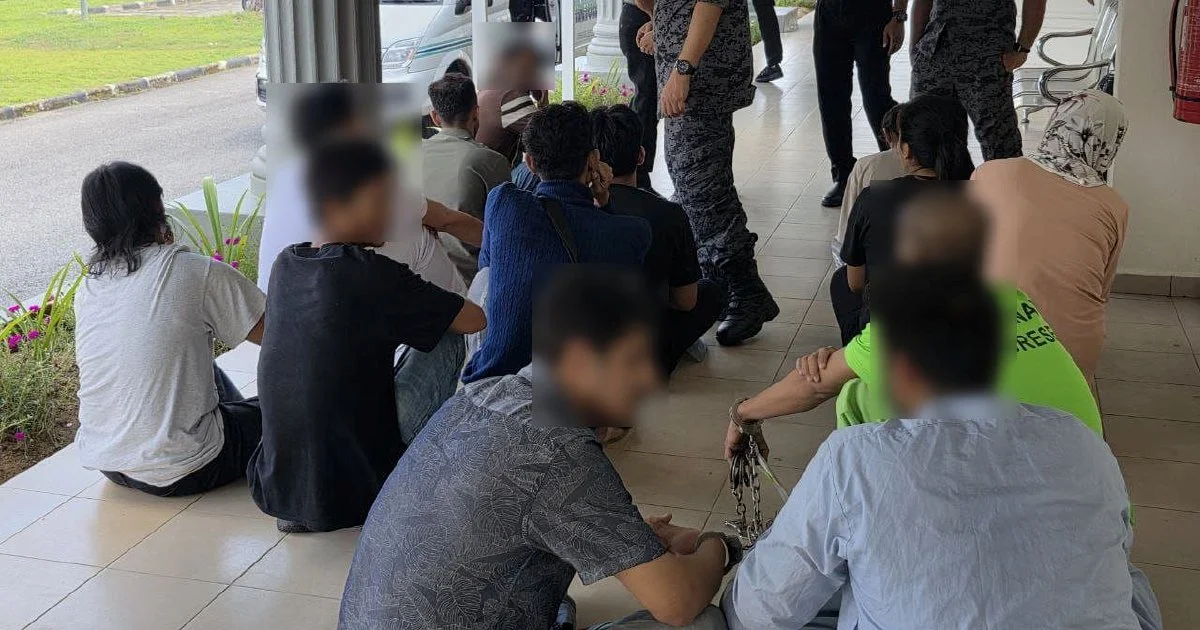
The Sessions Court in Pasir Mas, Kelantan, heard charges against twelve individuals without proper immigration documentation on Wednesday, marking another enforcement operation in the state's ongoing efforts to manage unauthorised entry. Three of the accused were women, indicating the continued involvement of female migrants in clandestine border crossings and illegal residence patterns across Malaysia's northern frontier.
The charges encompassed multiple immigration violations, including illegal entry into Malaysian territory, unauthorised overstaying beyond visa validity periods, and improper use or misrepresentation of travel documents or passes. These categories of offences represent the primary immigration compliance issues that authorities consistently address through court proceedings, reflecting the complexity of managing undocumented populations in border states.
Kelantan, sharing a porous land border with Thailand, has remained a focal point for immigration enforcement activities. The state's geographical location creates particular vulnerabilities to unauthorised crossings, as land routes from Thailand present fewer barriers than maritime approaches used in other regions. This proximity to Thailand explains why Kelantan consistently records significant numbers of immigration-related charges and court cases involving undocumented entrants.
The appearance of female migrants in these proceedings underscores that irregular migration is not a solely male phenomenon. Women face distinct vulnerabilities within irregular migration networks, including exploitation, trafficking risks, and gendered economic pressures that push them toward unauthorised entry and employment. Their presence in enforcement statistics highlights the human trafficking and vulnerability dimensions that accompany immigration law enforcement operations.
The charge of document misuse carries particular significance in Malaysian immigration law. Misusing, forging, or misrepresenting travel permits or entry passes represents an aggravating factor beyond simple illegal presence, as it demonstrates deliberate circumvention of border controls and identity verification systems. Courts typically regard such offences seriously, viewing them as undermining the integrity of immigration administration.
Overstaying charges reflect a common pattern where migrants enter through irregular channels or on limited-term permits, then remain beyond authorised periods due to employment opportunities, family considerations, or inability to navigate repatriation processes. The distinction between illegal entry and overstaying carries different legal weight, though courts often address both in consolidated proceedings for migrants apprehended during enforcement operations.
Enforcement activities in border states like Kelantan form part of a broader Malaysian immigration strategy that combines detection, prosecution, and deportation measures. The deployment of resources to the Pasir Mas Sessions Court indicates systematic processing of apprehended migrants through the judicial system rather than ad hoc detention. This formal court route provides due process protections while establishing documentation of convictions that may affect future immigration applications or visa eligibility.
The timing and frequency of such prosecutions reflect international migration pressures affecting Malaysia. Thailand's significant migrant populations, including Burmese, Laotian, and Cambodian workers, create spillover effects into Malaysian territory as individuals seek better employment prospects or flee adverse conditions. Malaysia's relatively developed labour market and higher wage levels compared to neighbouring Thailand make unauthorised entry and illegal employment economically rational decisions for migrants, despite legal risks.
From a Malaysian perspective, such cases represent the persistent challenge of balancing immigration control with humanitarian considerations. While law enforcement activities protect border integrity and labour market standards, they also raise questions about the treatment and repatriation of vulnerable migrants, particularly those who may be trafficking victims or fleeing persecution rather than purely economic migrants. The judicial approach taken in Pasir Mas reflects efforts to process cases through formal channels rather than arbitrary detention.
The involvement of multiple nationalities in typical Kelantan enforcement cases, though not specified here, usually encompasses workers from Myanmar, Thailand, and occasionally Bangladesh or Pakistan. Understanding the origin patterns of apprehended migrants helps authorities identify transit routes, smuggling networks, and vulnerable communities that recruitment agents specifically target for illegal labour placement in Malaysia.
Successful prosecution of immigration violations depends heavily on evidence collection and documentation standards. The Sessions Court proceedings indicate that authorities gathered sufficient evidence—likely including travel documents, entry records, and witness testimony—to pursue formal charges rather than settling cases through administrative penalties or deportation without prosecution.
Looking forward, cases like the Pasir Mas proceedings illustrate why comprehensive immigration enforcement requires coordination between border agencies, police, labour inspectorates, and the courts. Individual prosecutions deter some illegal entrants and employers, but systemic solutions addressing root causes of irregular migration—poverty in origin countries, employment demand in Malaysia, and smuggling networks—demand regional cooperation with Thailand and other neighbours.
The conviction and sentencing outcomes from these Pasir Mas cases will provide guidance on judicial sentencing practices for immigration violations, potentially influencing how future similar cases are resolved and what deterrent effects sentences achieve in reducing repeat attempts at illegal entry and overstaying.

