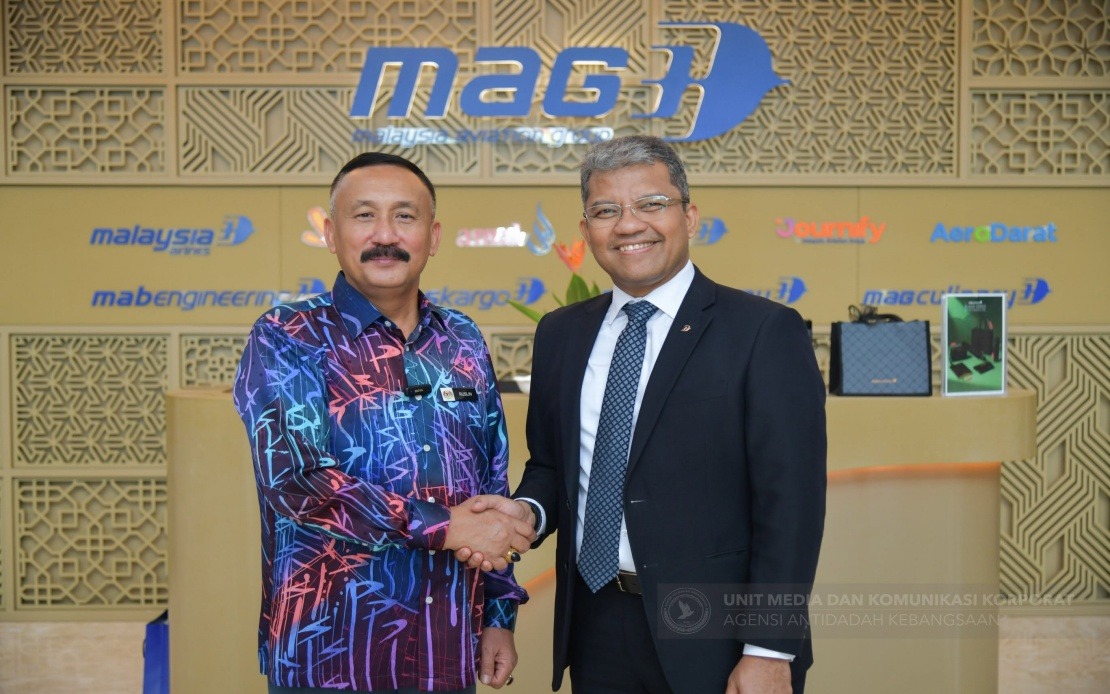
The National Anti-Drugs Agency (AADK) and Malaysia Aviation Group (MAG) have forged a new strategic partnership through a memorandum of understanding designed to amplify their collective efforts against drug and substance abuse. The agreement was formalised following discussions between AADK director-general Datuk Ruslin Jusoh and MAG chief executive officer Captain Nasaruddin A Bakar at MAG's headquarters in Sepang, marking a significant collaborative initiative within Malaysia's aviation industry.
The partnership represents a deliberate expansion of AADK's reach beyond traditional law enforcement channels into Malaysia's critical aviation infrastructure. By engaging directly with Malaysia Aviation Group—which operates Malaysia Airlines and other aviation entities—the agency aims to establish comprehensive drug prevention frameworks that extend to the thousands of employees working across the sector. This approach acknowledges that substance abuse poses particular risks in an environment where safety and operational integrity are paramount.
Datuk Ruslin emphasised the strategic importance of the collaboration during his visit, noting that the focus extends beyond reactive measures to encompass prevention, education, and awareness-raising regarding the dangers of narcotics and prohibited substances. The partnership seeks to create interconnected support systems that benefit not only individual employees but also contribute to Malaysia's broader public health objectives. By involving private sector employers directly, the arrangement recognises that workplace-based interventions often prove more effective than government initiatives alone.
A cornerstone of the new agreement involves implementing the Drug-Free Workplace (TEKAD) initiative across MAG facilities and operations. This programme represents a proactive safety measure designed to protect the integrity of aviation operations and maintain the security standards essential for public confidence in Malaysia's airline services. Given the critical nature of aviation safety, where even momentary lapses in judgment or physical capability can have catastrophic consequences, substance screening and prevention protocols assume heightened importance within this sector compared to many other industries.
The TEKAD initiative encompasses multiple elements including employee screening, education programmes, counselling services, and rehabilitation support for those struggling with addiction. By implementing these measures systematically across Malaysia Airlines and related operations, MAG creates a comprehensive safety net that addresses substance abuse as both a health issue and an operational concern. This dual-focused approach acknowledges that protecting employees' wellbeing aligns with protecting passengers and maintaining aviation safety standards.
For Malaysia's aviation sector specifically, the partnership carries particular significance given the international regulatory environment governing airline operations. International aviation authorities maintain stringent standards regarding crew fitness and workplace safety, standards that Malaysia must uphold to maintain its standing with global aviation bodies. By demonstrating proactive commitment to drug prevention through this partnership, MAG reinforces Malaysia's position as a responsible aviation operator and underscores the sector's dedication to world-class safety protocols.
The collaboration also reflects evolving approaches to drug policy in Malaysia, moving beyond purely punitive enforcement toward comprehensive prevention strategies that engage employers and communities. This shift recognises that sustainability in combating substance abuse requires coordinated action across multiple institutions and social sectors. When private sector employers like Malaysia Aviation Group participate actively in prevention efforts, they contribute to changing workplace cultures and social norms around drug use.
Beyond the immediate implications for MAG employees, the partnership potentially establishes a model that other major Malaysian employers might adopt. The aviation sector's high-profile status and the AADK's credibility as the lead anti-narcotics agency combine to create a demonstrable framework that other industries could adapt to their own contexts. This ripple effect could gradually institutionalise workplace drug prevention across Malaysia's economy, particularly in safety-sensitive sectors such as transportation, healthcare, and heavy manufacturing.
The timing of this partnership aligns with broader Southeast Asian discussions regarding drug prevention and regional cooperation on narcotics control. Malaysia's position as a major aviation hub and ASEAN member gives the country particular influence in establishing best practices for the region. By showcasing successful collaboration between government agencies and private sector entities, Malaysia can contribute to regional discussions on effective drug prevention strategies and corporate responsibility.
Datuk Ruslin's vision for the partnership extends beyond Malaysia Airlines to encompass the wider aviation industry and supporting agencies. The director-general indicated that strengthening MAG's role creates capacity that extends throughout the national aviation system, potentially benefiting ground personnel, maintenance workers, and administrative staff across multiple airlines and aviation-related organisations. This systemic approach maximises the partnership's impact and creates consistency in safety and prevention standards throughout the sector.
Implementing the Drug-Free Workplace initiative across a major employer like Malaysia Aviation Group presents practical and logistical complexities that both organisations acknowledge. These challenges include developing fair and transparent screening protocols, establishing confidential counselling services, training managers to identify substance abuse signs, and creating rehabilitation pathways for affected employees. The partnership's success will depend substantially on whether AADK and MAG can navigate these implementation challenges while maintaining employee trust and privacy protections.
The agreement also signals commitment to addressing substance abuse as a public health priority rather than treating it purely as a criminal justice matter. By incorporating education, support services, and rehabilitation alongside prevention measures, the partnership demonstrates Malaysia's evolving understanding of effective drug policy. This comprehensive approach recognises that punitive measures alone rarely succeed in reducing substance abuse, whereas interventions combining prevention, treatment, and support generate better long-term outcomes.
Looking forward, the success of this AADK-Malaysia Aviation Group partnership may influence how Malaysian government agencies engage with the private sector on public health and safety initiatives more broadly. The model of formal strategic cooperation through memoranda of understanding, combined with practical implementation through workplace initiatives, offers a template that other government agencies might apply to their own sectors and priorities. Whether aviation becomes a leader in workplace drug prevention across Malaysia will depend on the partnership's execution and the commitment both organisations demonstrate in embedding prevention culture throughout MAG operations.

