Malaysia's National Anti-Drug Agency (AADK) has publicly endorsed Malaysia Airlines' decision to institute compulsory drug screening for all 1,260 active pilots, a policy shift prompted by the recent detention of a MAS pilot in Indonesia. The move represents a significant escalation in workplace safety protocols within the country's aviation sector, reflecting broader concerns about substance abuse among personnel responsible for passenger safety.
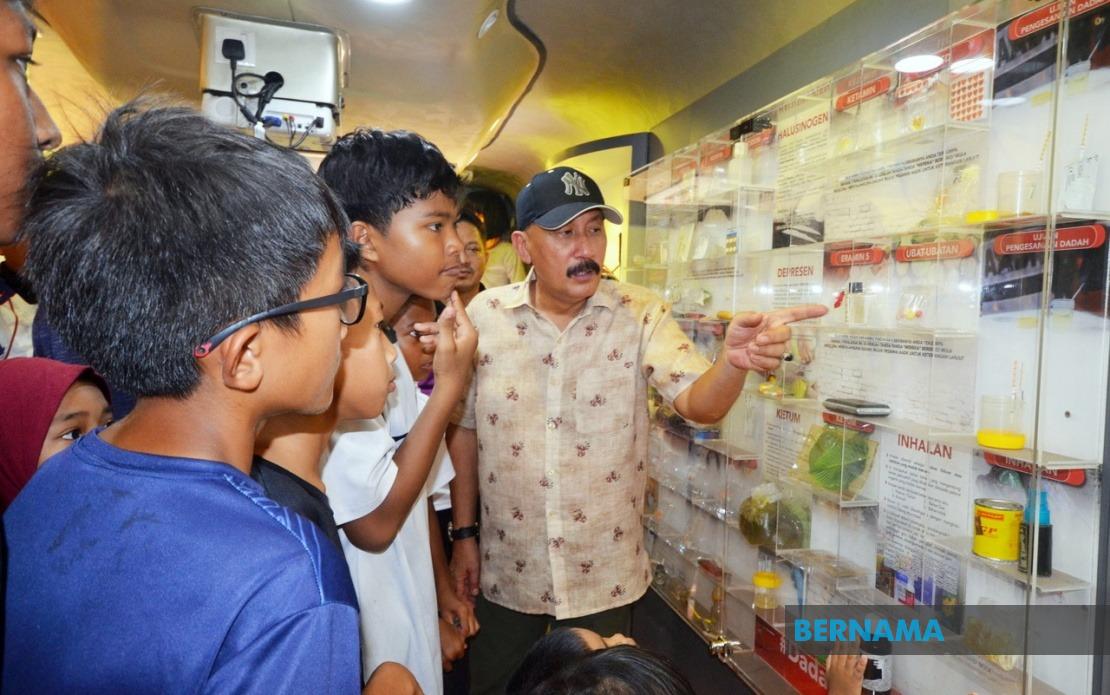
Acknowledging the gravity of the situation, AADK director-general Datuk Ruslin Jusoh framed the screening mandate as consistent with the government's uncompromising approach to drug abuse and trafficking. His remarks came during an official ceremony at FELDA Tenang in Terengganu, where he inaugurated the MADANI Foster Village and MADANI Foster School programmes. Ruslin emphasised that aviation safety cannot afford any compromise, given the sector's fundamental responsibility towards thousands of daily passengers across the region.
The implementation extends beyond pilots to encompass cabin crew members, marking a comprehensive overhaul of personnel vetting procedures. Malaysia Aviation Group's decision reflects international best practices in aviation security, where crew fitness-for-duty programmes have become standard across major carriers. The screening initiative signals growing recognition within Malaysia's aviation industry that operational safety must be supported by rigorous personnel management protocols.
The AADK has positioned itself as a willing partner in this enforcement effort, offering multifaceted support including specialized drug detection operations, enhancement of the Drug-Free Workplace (TEKAD) programme, and supervisor training focused on substance abuse prevention. This collaborative framework demonstrates how regulatory agencies and private sector operators can align their objectives to strengthen workplace safety standards. Historical precedent exists for such cooperation, with AADK previously conducting detection operations at Malaysia Airlines in April 2025 and at AirAsia in December 2025.
Ruslin's statement carefully balanced accountability with professional dignity, acknowledging that isolated incidents should not define the broader aviation workforce. This measured approach is crucial for workforce morale within an industry already facing recruitment and retention challenges across Southeast Asia. The framing recognises that most airline personnel maintain exemplary professional standards while establishing that individual lapses necessitate systemic strengthening rather than sectoral stigmatisation.
Coordination across multiple agencies forms a cornerstone of the enforcement strategy. The AADK intends to work alongside the Royal Malaysian Police, the Civil Aviation Authority of Malaysia (CAAM), and international regulatory bodies to enhance information sharing and border security protocols. This multi-agency approach reflects the transnational nature of aviation operations, where personnel movement and international regulatory compliance demand seamless institutional cooperation.
Beyond aviation-specific measures, the AADK's broader anti-drug agenda encompasses community-level interventions exemplified by the MADANI programmes. The Terengganu data reveals concerning trends that contextualise why aviation sector screening has become necessary. While overall addiction rates in the state declined 7.2 per cent to 7,582 individuals in the first quarter of 2026 compared to the prior year, the 16.7 per cent surge in cases among children aged 10 to 14 represents a troubling trajectory. Additionally, escalating involvement among older demographics, particularly those aged 55 to 59 and 65 to 69, indicates that substance abuse has ceased being primarily a youth phenomenon.
Amphetamine-Type Stimulants dominate the regional drug landscape, with 6,206 recorded cases or 81.9 per cent of substance abuse incidents in early 2026 involving synthetic drugs such as methamphetamine, yaba pills, and ecstasy. Opiates account for the remaining significant share at 1,281 cases or 16.9 per cent. This drug profile has significant implications for screening protocols, as stimulant abuse patterns differ markedly from opioid dependency in terms of symptomatology, detectability, and occupational impairment. Pilot and crew screening programmes must therefore account for these specific substance categories prevalent in the Malaysian context.
The MADANI initiatives at FELDA Tenang demonstrate integrated rural development philosophy that combines infrastructure modernisation with social resilience building. Facility upgrades—including improved football pavilions, futsal and sepak takraw courts, Dewan Nurul Ehsan, cemetery solar lighting, and enhanced school learning infrastructure—create environments that reduce drug appeal by offering structured recreational and educational alternatives. This preventive orientation complements enforcement strategies, recognising that sustainable drug-free environments require positive engagement alongside compliance mechanisms.
The MADANI Foster School programme merits particular attention given the spike in youth involvement. Schools represent crucial early intervention points where substance abuse prevention training can establish healthy norms before experimentation patterns crystallise. By positioning educational institutions as primary defences against drug initiation, the AADK acknowledges that aviation sector screening, while essential, addresses consequences rather than root causes of substance abuse.
For Malaysia's aviation industry, these developments signal that regulatory expectations are tightening in line with international standards and regional security imperatives. Airlines operating in Malaysia must anticipate similar screening mandates becoming standard across the sector, with implications for recruitment timelines and personnel management procedures. The precedent established through Malaysia Airlines' voluntary adoption may eventually inform broader industry guidelines through CAAM.
Sector-wide implementation of such screening also carries implications for Southeast Asian aviation labour markets. As Malaysian carriers establish stringent personnel protocols, regional competitors may face pressure to adopt comparable standards, potentially affecting recruitment from neighbouring countries. This standardisation could ultimately enhance regional aviation safety profiles, though it may create administrative burdens for carriers operating across multiple jurisdictions with varying regulatory frameworks.
Ruslin's closing call for collective responsibility—uniting AADK, FELDA, educators, parent organisations, youth groups, and local communities—reflects the reality that drug-free environments cannot be sustained through enforcement alone. The integration of community stakeholders into anti-drug frameworks acknowledges that sustainable behavioural change requires social consensus and reinforcement across multiple institutional levels, from schools to workplaces to family structures.

