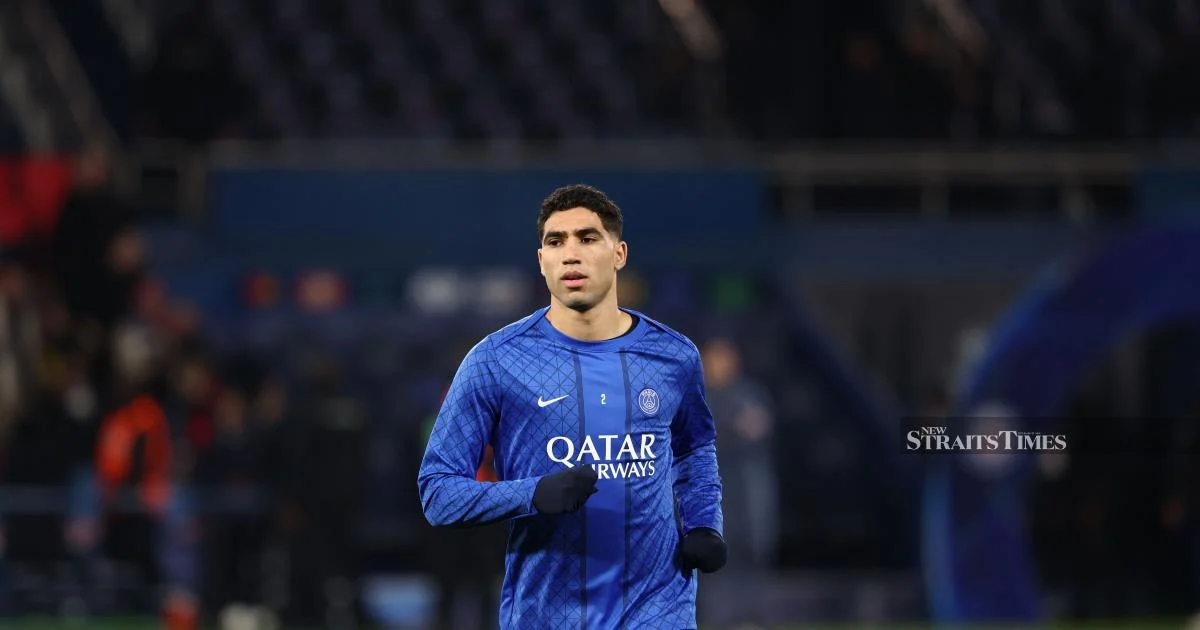
Morocco's international football star Achraf Hakimi will face criminal proceedings in France after an appeals court in Versailles upheld the decision to put him on trial for rape. The ruling, delivered on Friday, represents a significant moment in a case that has captured global attention due to Hakimi's prominence in European club football.
The Paris Saint-Germain defender, one of African football's most accomplished players, has faced mounting legal scrutiny over allegations involving a young woman. The French judicial system has now confirmed that sufficient evidence exists to proceed with formal trial proceedings against the 25-year-old athlete, whose career trajectory and commercial value have made this case particularly notable across football circles in Europe and beyond.
French courts have previously determined that the circumstances surrounding the allegation warrant formal examination in a trial setting rather than dismissal at the investigative stage. The appeals court's confirmation in Versailles essentially validates the earlier judicial assessment that a criminal trial should proceed, signalling that French authorities believe there is a credible basis for prosecution on the rape charge.
Hakimi's legal situation adds another layer of complexity to the Moroccan national team's preparations and to PSG's roster management considerations. The defender has represented Morocco with distinction at multiple international tournaments, including the FIFA World Cup, where his performances helped elevate his profile considerably. His professional standing and sponsorship arrangements now face significant uncertainty as the trial process commences.
The decision by the French appeals court carries substantial implications for how athlete misconduct allegations are handled within professional football. European sporting authorities, domestic clubs, and international federations often face pressure to respond swiftly to serious criminal charges involving their players, balancing reputational concerns with principles of due process and the presumption of innocence.
From a Malaysian and Southeast Asian perspective, this case underscores broader conversations about athlete accountability and the reach of Western legal systems into the lives of global sporting figures. Several Southeast Asian players have also faced legal challenges in European jurisdictions, highlighting how footballers operating abroad must navigate unfamiliar legal landscapes while maintaining their professional commitments.
The trial process itself may be protracted, with French criminal procedures typically requiring extensive investigation and examination of evidence before final judgement. This prolonged legal timeline means Hakimi's professional career remains in a state of limbo, affecting not only his performance opportunities but also his earning potential and marketability during what should represent his peak years as an athlete.
PSG's position regarding Hakimi becomes increasingly delicate as trial proceedings commence. The club must balance its commercial interests, squad composition needs, and evolving information about the case while adhering to the principle that individuals remain innocent until proven guilty through formal legal processes. Similar situations have created precedent within European football regarding how teams manage player contracts and squad inclusion during ongoing criminal investigations.
For Morocco's national football programme, Hakimi's legal proceedings present tactical and administrative challenges. The Royal Moroccan Football Federation must assess how to manage his potential involvement with the national team during trial proceedings, considering both sporting merit and potential diplomatic or reputational considerations that accompany high-profile international cases.
The broader football community has largely adopted a cautious approach to commenting on the case, recognizing the seriousness of rape allegations while respecting ongoing legal processes. However, the case has generated significant media attention and public discourse about athlete conduct, consent, and accountability in sports where fame and financial success concentrate around individual performers.
As the trial moves forward, French legal authorities will examine evidence, hear testimony, and assess the allegations against the standards required to establish criminal liability. The process represents one of several high-profile misconduct cases involving professional footballers that have proceeded through formal legal systems in recent years, each contributing to evolving discussions about athlete responsibility and legal accountability.
The confirmation by the Versailles appeals court that the trial will proceed represents a definitive moment in this case's trajectory. Hakimi now faces a formal judicial process where both prosecutors and defence representatives will present their cases before a court, ultimately determining the factual basis for the allegations and any resulting legal consequences. The eventual outcome will likely influence broader conversations about how professional football clubs and governing bodies respond to serious criminal charges involving their players.