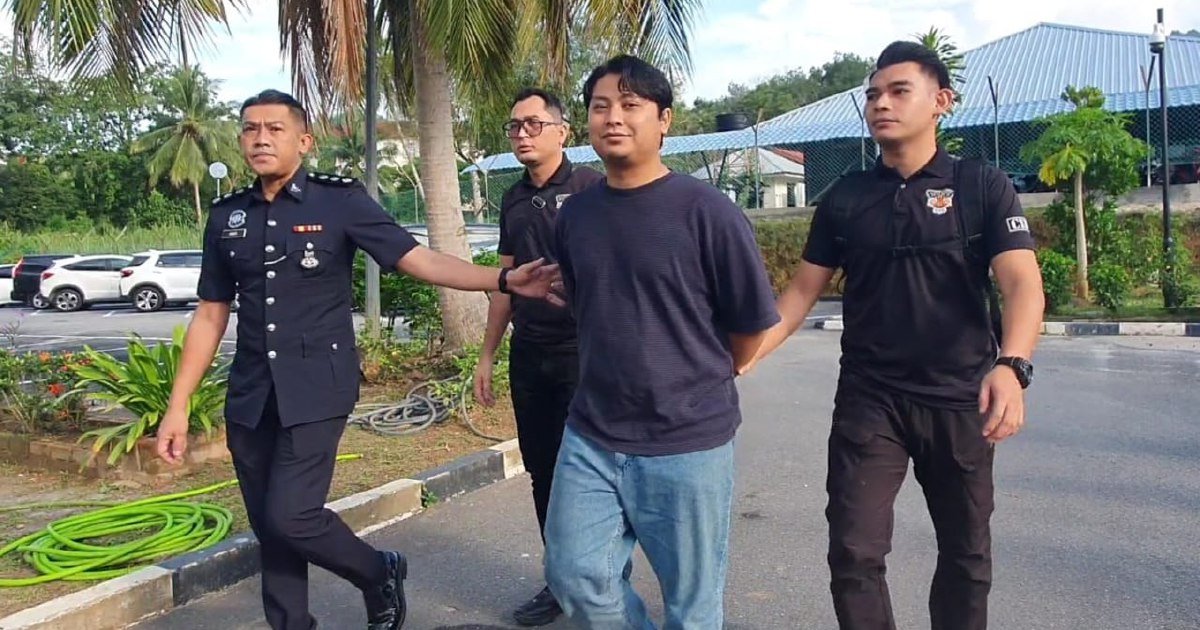
Activist Tamim Dahri Abdul Razak appeared before Langkawi's magistrate court to formally reject accusations that he damaged a sacred Hindu object during an incident in March. The case marks another flashpoint in Malaysia's ongoing tensions around interfaith relations and public conduct involving religious symbols, issues that carry significant weight in this multiethnic nation where religious sensitivities routinely intersect with broader questions about freedom of expression and social responsibility.
The charge itself touches on a sensitive area of Malaysian law and social norms. Religious objects hold deep symbolic meaning for their respective communities, and laws protecting sacred items from deliberate damage or desecration are taken seriously by authorities. Under Malaysian law, such incidents can be prosecuted through multiple legal frameworks, reflecting the state's commitment to maintaining communal harmony and preventing actions that could trigger broader social friction.
Langkawi, while primarily known internationally as a tourist destination and duty-free shopping hub, remains an important microcosm of Malaysia's religious and ethnic diversity. The island is home to communities practising various faiths, including Hinduism, alongside its Muslim-majority population. Incidents involving alleged desecration or damage to religious objects in such spaces often draw heightened attention because of their potential to impact the delicate social equilibrium that allows different communities to coexist peacefully.
Tamim Dahri is known activist circles in Malaysia for his various advocacy work, though his activities have occasionally generated controversy. The circumstances surrounding the March incident remain a matter of legal dispute, with the activist's not guilty plea suggesting he contests the characterisation of his actions or denies involvement entirely. The court proceeding will require evidence to establish both the nature of the damage and whether Dahri was responsible.
The timing and progression of such cases through the Malaysian court system often draw scrutiny from civil liberties observers and religious communities alike. Supporters of the accused may view the prosecution as potentially overreaching or suppressing legitimate activism, while victims or representatives of the affected religious community may perceive the legal process as essential for protecting their faith and preventing future incidents. This tension between protecting religious sentiments and preserving space for social activism remains a persistent challenge in Malaysian law and society.
Malaysia's approach to religious harmony relies partly on legal mechanisms designed to prevent conduct deemed offensive or damaging to any faith community. The Sedition Act, religious enactment laws in various states, and provisions under the Penal Code all speak to this framework. However, the application of such laws sometimes sparks debate about whether they function primarily as protective measures or whether they can be wielded in ways that chill legitimate speech and activism on other grounds.
The case also occurs within a broader context where Malaysia has experienced periodic incidents involving alleged desecration, accidental damage, or intentional harm to religious places and objects. Some have involved Hindu temples, mosques, churches, and Sikh gurdwaras. Each incident typically prompts renewed calls for greater inter-religious awareness, better physical security for religious sites, and more robust community dialogue. Yet translating these calls into sustained change remains challenging.
For Hindu communities in Malaysia, protection of sacred objects and temple sanctity represent important concerns given their minority status in a Muslim-majority nation. While the Malaysian constitution does guarantee freedom of religion and the state officially commits to protecting all faiths, practical concerns about safeguarding religious spaces and ensuring equal application of the law remain live issues within Hindu advocacy circles and interfaith councils.
The court proceedings will now require presentation of evidence from both the prosecution and defence. Investigators will need to establish details about the object in question, the nature and extent of the damage, and how it was caused. Dahri's defence team will have opportunity to challenge the allegations and raise questions about evidence quality, witness credibility, and investigative procedures. The magistrate will weigh these presentations before determining guilt or innocence.
Beyond the immediate legal outcome, this case reflects deeper questions about social conduct and responsibility in Malaysia's plural society. How citizens navigate shared public spaces, respond to symbols and practices from traditions other than their own, and balance personal freedoms against communal sensitivities continues to shape Malaysian social life. Each courtroom decision in such matters sends signals about where the state believes boundaries lie.
The case is likely to progress through several hearing dates as evidence is presented and arguments are made. Depending on the verdict, appeals to higher courts may follow, potentially extending the judicial journey. Throughout this process, the case will serve as another data point in Malaysia's ongoing negotiation of how to maintain religious harmony while preserving the space for diverse voices and perspectives in public discourse.

