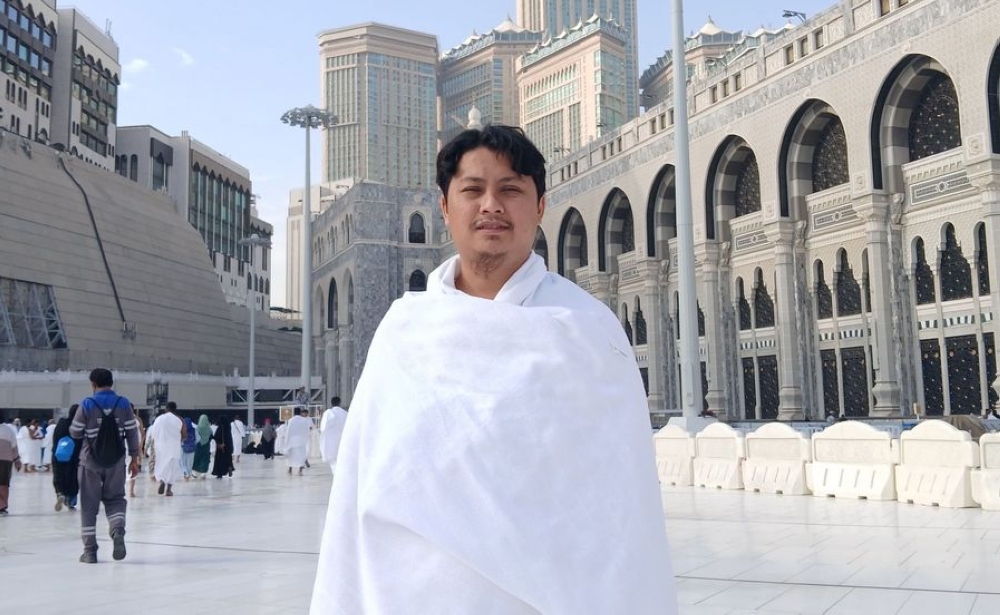
Police in Alor Setar have re-arrested activist Tamim Dahri Abdul Razak following the expiration of his initial two-day remand period, signalling that investigations into his case remain active and prosecutors are preparing to proceed with formal charges. The timing of the re-arrest, coming immediately after the remand concluded, reflects standard police procedure when authorities believe they have gathered sufficient evidence to support prosecution while maintaining custody of the suspect.
The decision to seek fresh charges against Tamim Dahri marks an escalation in the legal proceedings against the activist. Under Malaysian criminal procedure, police typically must either release a detainee, charge them formally, or seek an extension of remand before the initial detention period expires. The move to re-arrest rather than release suggests investigators have identified specific offences they intend to prosecute, with court proceedings anticipated to commence imminently.
The activist's case has drawn attention from civil society observers tracking the treatment of political activists and those engaged in advocacy work across Malaysia. The circumstances surrounding Tamim Dahri's detention and the nature of anticipated charges will likely inform broader discussions about the boundaries of permissible expression and assembly in the country, particularly given Malaysia's complex legal framework governing public gatherings and political speech.
Alor Setar, as the capital of Kedah, serves as the jurisdiction where police have maintained custody of Tamim Dahri throughout the investigation phase. The location underscores that this matter falls within state-level law enforcement operations, though the implications may extend beyond Kedah depending on the geographic scope of the alleged offences and the charges prosecutors ultimately file.
For activists and civil rights advocates monitoring the Malaysian legal system, the progression from remand to re-arrest to formal charges represents a critical juncture in understanding how authorities approach investigation and prosecution of individuals involved in protest activities or political mobilisation. The transparency of these processes and the specific allegations contained within any charges will be scrutinised by those tracking judicial independence and due process compliance.
The timing of formal charges, expected within a day of the re-arrest, suggests that prosecutors have already reviewed investigative materials and determined sufficient grounds exist to proceed. This efficiency in moving from detention to formal accusation indicates the investigation phase yielded evidence that authorities view as adequate to support their legal position, though the strength of that evidence and its admissibility in court remain subjects for judicial examination.
Malaysian activists have historically faced challenges navigating the country's security and public order legislation, which critics argue casts a wide net in regulating dissent and assembly. Cases involving individuals detained on remand and subsequently charged often attract international scrutiny, particularly when observers question whether charges reflect genuine criminal conduct or represent efforts to restrict legitimate political expression protected under constitutional guarantees.
The activist community in Malaysia maintains informal networks monitoring such cases, recognising that how authorities handle individual prosecutions may establish precedents affecting broader space for civic engagement. The Tamim Dahri case thus carries significance beyond the immediate facts, touching on systemic questions about proportionality, necessity, and the boundaries of legitimate state response to activism.
Families of detainees typically endure significant stress during remand periods, navigating visits within prison protocols while remaining uncertain about ultimate outcomes. The transition from remand to formal charges brings both clarity regarding what authorities allege and uncertainty about trial duration and potential sentencing, should convictions follow.
Southeast Asian human rights organisations occasionally comment on high-profile cases involving activists, particularly when detentions occur without transparency regarding investigative justifications. The availability of information about Tamim Dahri's situation—through media reporting and police statements—provides baseline transparency, though questions may persist about investigative methodology and whether detention was proportionate to alleged offending.
The forthcoming charges will specify exact legal provisions authorities believe Tamim Dahri has breached, offering clarity on whether allegations relate to assembly, speech, security matters, or other statutory categories. These specifications prove crucial for understanding both prosecutorial theory and Tamim Dahri's subsequent defence strategy as the case moves through Malaysian courts.

