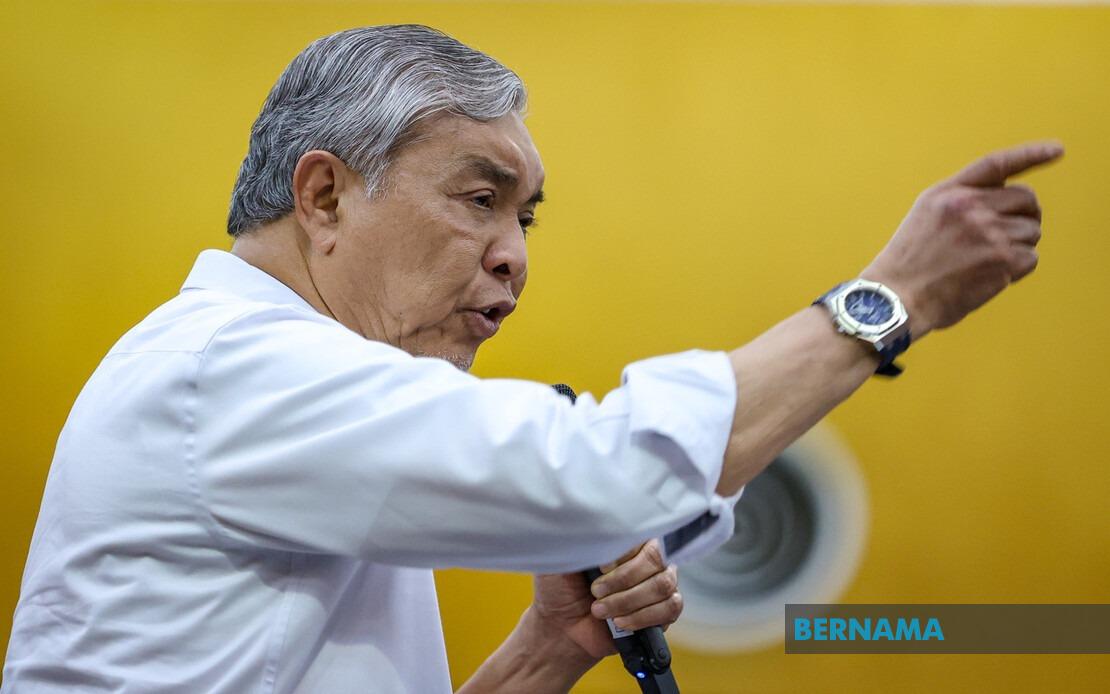
Deputy Prime Minister Datuk Seri Dr Ahmad Zahid Hamidi has unveiled a proposal to equip university Student Representative Councils with dedicated training in leadership and political education, arguing that such programmes are essential for developing a more politically aware generation of young leaders. Speaking in Johor Bahru on July 9, Ahmad Zahid outlined a vision where Malaysian tertiary institutions systematically expose their student representatives to the realities of democratic governance and national political dynamics, enabling them to engage more meaningfully with the complex issues confronting the nation.
The initiative reflects growing concern among senior government figures about the political sophistication of youth engagement in Malaysia's democratic system. By channelling resources toward formalising political education within student leadership structures, the government aims to create a pipeline of informed young citizens who can eventually contribute to the country's political trajectory. Ahmad Zahid emphasised that this exposure would help student leaders develop a comprehensive understanding of current challenges facing Malaysia, from economic policy to social cohesion, preparing them to advocate effectively for their peers' interests.
Crucially, Ahmad Zahid indicated that the government stands ready to finance these educational programmes should Student Representative Councils across the nation request them, pending approval from Higher Education Minister Datuk Seri Dr Zambry Abd Kadir. This commitment to funding reflects the administration's determination to prioritise youth political literacy as a strategic investment. The financial backing removes barriers that might otherwise prevent resource-constrained institutions from implementing such courses, democratising access to political education regardless of a university's budgetary capacity.
However, Ahmad Zahid was careful to distinguish between fostering political awareness and demanding active partisan involvement. He stressed that young Malaysians, particularly first-time voters aged eighteen and above, need not become personally engaged in political party activities to benefit from understanding the political landscape. This nuanced approach acknowledges that not all citizens will choose political careers or activism, yet all can exercise their democratic rights more intelligently when armed with foundational knowledge about how the system operates and why their individual votes matter.
Drawing on his own trajectory, Ahmad Zahid recounted how he became politically active while serving as a student leader at Universiti Malaya, suggesting that universities naturally incubate future political figures. His personal example underscores a conviction that institutional spaces like student councils provide ideal venues for introducing young people to political thought and practice. By formalising this exposure through structured courses, the government hopes to replicate and amplify the organic political engagement that historically emerged from campus life, making it systematic rather than serendipitous.
The proposal gains particular resonance given that every voter, regardless of prior political knowledge, shapes electoral outcomes through the ballot box. Ahmad Zahid highlighted how individual votes collectively determine which leaders govern and which direction parties chart, emphasising that informed voting represents a civic responsibility. When young people understand the stakes involved in electoral choices and grasp the philosophical differences between competing visions for Malaysia's future, they become more likely to vote strategically rather than impulsively or not at all.
The timing of Ahmad Zahid's announcement is noteworthy, coinciding with Johor's preparation for a state election scheduled for Saturday, involving fifty-six contested state seats. This context suggests the proposal carries implicit messaging about youth mobilisation and voter participation, particularly among first-time and younger voters who may lack familiarity with electoral processes or political party platforms. A more politically literate youth cohort could, in theory, participate more actively in state and federal elections, benefiting parties that effectively communicate their platforms to educated young audiences.
From a broader Southeast Asian perspective, Malaysia's initiative reflects a regional trend of governments investing in civic education and political literacy programmes. However, the specific focus on student councils indicates a recognition that undergraduate leaders occupy strategic positions within their peer networks, capable of amplifying political understanding throughout their institutions. By targeting student representatives, the government multiplies the potential reach of political education beyond direct course participants to their broader constituencies.
The proposal also hints at underlying anxieties about youth political disengagement or the spread of misinformation among younger demographics. By providing structured, government-endorsed political education, authorities seek to establish authoritative frameworks through which young people interpret political developments. This approach assumes that informed citizens will make more constructive political choices, though critics might observe potential concerns about ensuring educational neutrality and preventing any appearance of partisan influence on impressionable student populations.
Implementation details remain to be clarified, particularly regarding curriculum content, instructor qualifications, and mechanisms for ensuring programmes remain balanced and educationally rigorous rather than propagandistic. The requirement for Higher Education Ministry approval suggests oversight structures will be established, though the extent of academic independence these courses will enjoy remains uncertain. Universities and student councils will need clarity on what constitutes acceptable political education content versus inappropriate partisan advocacy.
Looking forward, Ahmad Zahid's proposal could become a pilot programme initially tested at select institutions before nationwide rollout, or it might be adopted more rapidly depending on ministerial enthusiasm and institutional readiness. Success will partly depend on whether student leaders themselves embrace such training, viewing it as enhancing their effectiveness in representing peers rather than as governmental intrusion into campus affairs. The reception from university administrators and student councils will likely shape whether this initiative flourishes or remains largely symbolic.
Ultimately, Ahmad Zahid's push for political education reflects an understanding that democracies function more effectively when citizens possess foundational knowledge about their system's mechanics and philosophical underpinnings. Whether formalised courses genuinely improve political participation and decision-making among Malaysian youth, or whether such learning occurs more effectively through organic campus discourse and independent student journalism, remains to be tested through implementation and evaluation.

