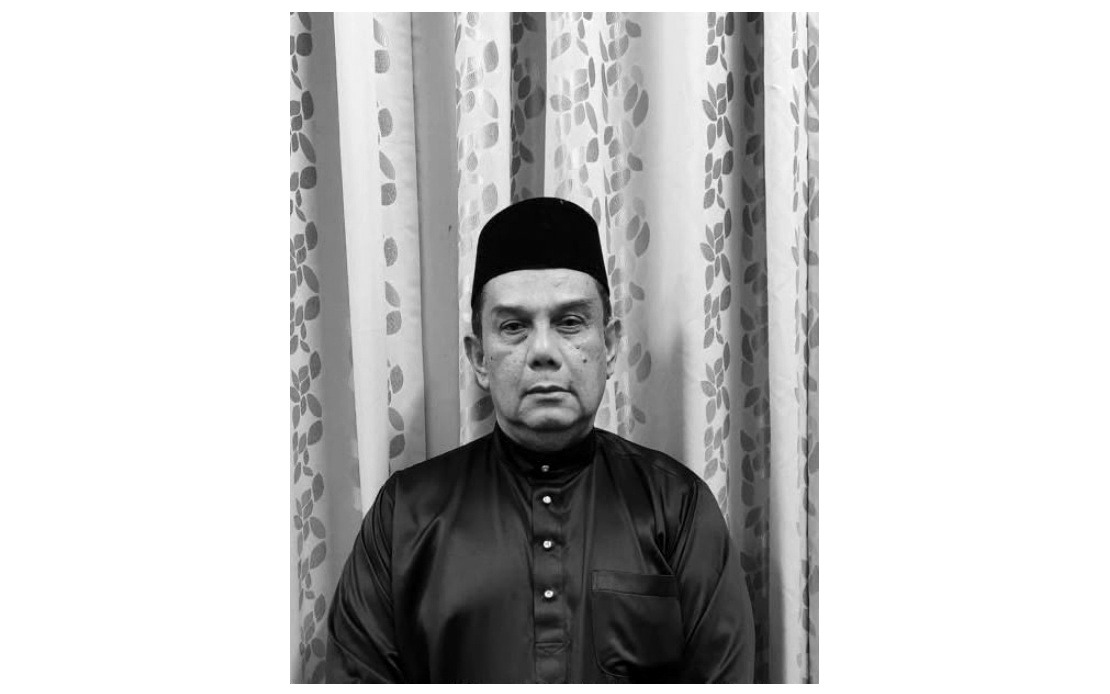
Datuk Jailani Harun, a seasoned journalist who transitioned into diplomatic service as a key advisor to UMNO president Datuk Seri Dr Ahmad Zahid Hamidi, passed away this morning at Hospital Serdang in Kuala Lumpur. The 67-year-old's death was confirmed by his eldest daughter, Nabilla, 33, following an announcement from the Office of the Deputy Prime Minister. Jailani's passing marks the loss of a prominent figure within UMNO's administrative circles during a period of significant political realignment in Malaysia.
Jailani Harun's career trajectory reflected the diverse professional pathways available within Malaysia's political establishment. His foundation as a journalist equipped him with the communication expertise and media literacy that would later prove invaluable in his role as diplomatic officer. This background positioned him uniquely to navigate the complexities of coordinating Ahmad Zahid's public representation and international relations, particularly as UMNO navigates its positioning within the broader Malaysian political landscape following the 2022 general elections.
Ahmad Zahid Hamidi, who has served as UMNO president since 2018, has relied heavily on trusted advisors to manage his political operations and public communications. Jailani's role as diplomatic officer placed him at the intersection of party politics and government relations, responsibilities that require both discretion and strategic acumen. The loss of such an experienced aide represents a significant operational adjustment for the UMNO leadership apparatus, particularly as the party continues shaping its political strategy ahead of upcoming electoral contests.
The circumstances surrounding Jailani's hospitalisation and subsequent death have not been disclosed publicly. Hospital Serdang, located in Kajang, is one of Malaysia's major government medical institutions and serves as a primary referral centre for the Klang Valley region. His passing at 11:34 am on July 7 concludes what may have been a period of health complications that warranted tertiary care admission.
Funeral arrangements reflect traditional Islamic protocols observed within the Malaysian political establishment. The body will be transported to Al-Mubarakah Mosque in Taman Bukit Cheras for funeral prayers before interment at Alam Damai Cheras Cemetery following the afternoon Asar prayer. These ceremonies typically draw attendance from political colleagues and members of Malaysia's administrative fraternity, serving as occasions for public expressions of condolence and reflection on the deceased's contributions.
Communications Minister Datuk Fahmi Fadzil issued a formal statement of condolence, describing the loss as significant and offering sentiments of strength and patience to the bereaved family. Such statements from senior government figures underscore Jailani's standing within official circles and his recognised contributions to diplomatic functions. The minister's invocation of Islamic prayers for Jailani's soul reflects customary Malaysian practice in political mourning, where religious observance and official acknowledgment merge seamlessly.
Jailani's transition from journalism to political service exemplifies a common pattern in Malaysian politics, where media professionals leverage their understanding of communication dynamics and public perception to advance political objectives. His journalistic background would have provided insights into narrative framing, media relations, and the mechanics of public discourse—all essential components of modern political management. As Ahmad Zahid's diplomatic officer, he likely coordinated international engagement, managed sensitive communications, and advised on matters requiring careful public handling.
The timing of Jailani's death occurs amid UMNO's ongoing efforts to consolidate its political influence following the previous year's electoral setbacks and the subsequent formation of the Madani government. The loss of experienced operatives within party structures can disrupt institutional knowledge and established networks that facilitate smooth administrative functioning. Successor arrangements for Jailani's responsibilities will require careful consideration to ensure continuity in Ahmad Zahid's office operations.
For Malaysian observers of political developments, Jailani's passing represents a reminder of the human dimensions underlying institutional structures and political machinery. While diplomatic officers and administrative advisors rarely attract public scrutiny compared to elected representatives, they exercise considerable influence over how political messages are crafted and disseminated. The loss of such personnel creates operational voids that take time to fill, particularly when the individual possessed specialised expertise and established relationships across government and party hierarchies.
The broader implications of Jailani's death extend to questions about institutional resilience and knowledge transfer within Malaysia's political organisations. UMNO, like other major parties, benefits from personnel who combine professional expertise with deep understanding of party culture and political requirements. His journalistic credentials and diplomatic service represented an accumulated professional asset that cannot be quickly replicated through standard recruitment processes.

