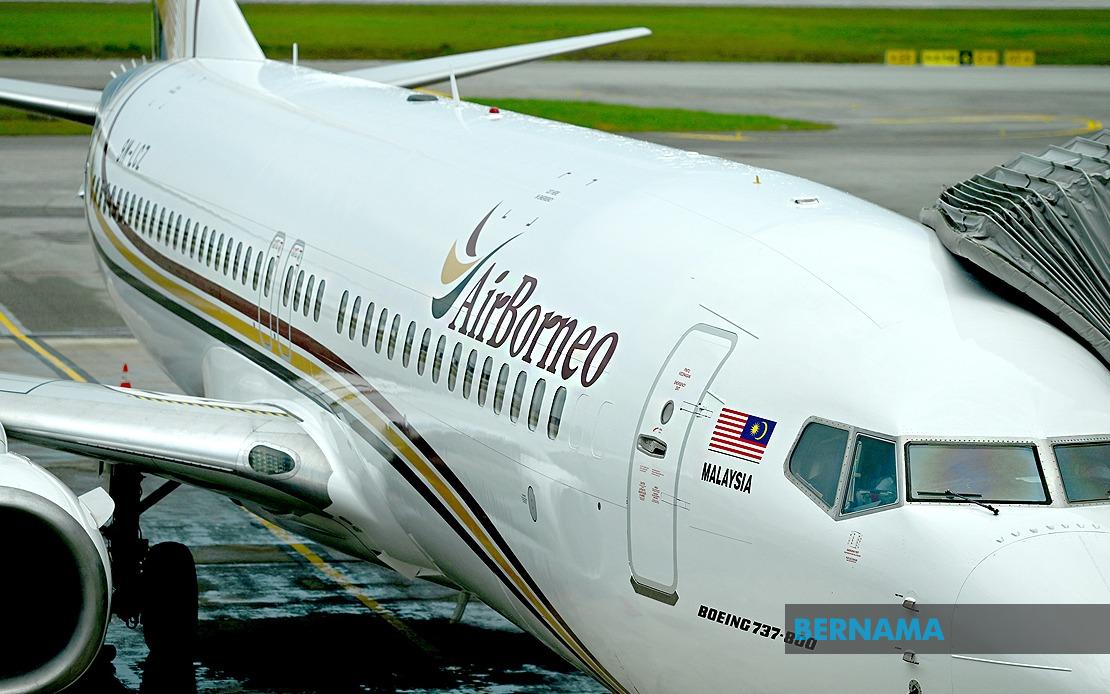
AirBorneo, the Sarawak-based carrier, has issued a formal apology following a significant delay that disrupted travel plans for passengers aboard Flight MY5004 scheduled between Kuala Lumpur and Kuching. The incident, which occurred on July 20, stemmed from technical complications that required resolution before the aircraft could safely proceed. The airline ultimately departed at 7.30 pm after the engineering team completed the necessary repairs, emphasising that operational delays caused by technical issues, whilst frustrating for travellers, reflect an airline's commitment to preventing potential safety risks from materialising during flight.
In its official statement, AirBorneo underscored that passenger safety constitutes its fundamental operating principle and that all maintenance decisions are guided by this paramount consideration. The airline's response to the delay demonstrates an approach prioritising thorough aircraft inspection over expedited departure schedules. For Malaysian travellers who frequently transit through major hubs like Kuala Lumpur, such incidents raise important questions about how regional carriers balance operational efficiency with the rigorous safety protocols mandated by aviation authorities, particularly Malaysia's Department of Civil Aviation.
During the extended ground time, AirBorneo's customer service personnel coordinated support measures for the stranded passengers. The airline provided regular communication regarding the situation's status, enabling travellers to better understand timelines and adjust their onward plans accordingly. Beyond information provision, the carrier arranged meal services and refreshments for those awaiting departure, recognising that lengthy delays create both physical discomfort and considerable stress, particularly for families with children or passengers with connecting flights.
The airline extended additional assistance to passengers requiring special attention, demonstrating that its duty of care extends beyond standard safety procedures. This multi-faceted response reflects evolving industry standards across Southeast Asia, where competitive pressures have prompted carriers to distinguish themselves through passenger experience during disruptions. AirBorneo's emphasis on comprehensive support suggests the airline recognises that how it manages crisis situations significantly influences customer loyalty and brand reputation in Malaysia's increasingly competitive regional aviation market.
AirBorneo's formal apology acknowledges the legitimate inconvenience experienced by affected travellers, whose schedules, business commitments, and personal plans were disrupted by circumstances beyond their control. The airline's gratitude towards passengers for maintaining composure and cooperating with ground staff throughout the process reflects an understanding that customer patience during operational difficulties should not be taken for granted. This acknowledgment carries particular weight in Malaysian business culture, where relationship-building and mutual respect constitute foundational business principles.
The carrier reiterated its unwavering commitment to upholding the highest safety standards whilst simultaneously delivering dependable service to passengers throughout its network. This dual emphasis addresses a fundamental tension in modern aviation: the imperative to maintain punctuality and operational reliability whilst refusing to compromise on safety inspections and maintenance protocols. For passengers booking with regional carriers like AirBorneo, understanding this balance proves essential when evaluating airline choices and managing travel expectations.
AirBorneo's response to this incident carries significance beyond the immediate affected passengers, setting implicit industry benchmarks for how Malaysian and Southeast Asian carriers should communicate during operational disruptions. The transparency regarding technical reasons, combined with concrete passenger support measures, represents a more sophisticated crisis management approach than simple generic apologies. This approach potentially influences how other regional carriers in Malaysia, Brunei, and neighbouring territories manage similar situations, gradually establishing higher standards for passenger communication and welfare during flight delays.
The incident also highlights the operational challenges facing regional carriers operating from major Malaysian hubs. Airlines operating routes between Kuala Lumpur and secondary cities like Kuching must maintain aircraft in peak condition whilst managing cost pressures that sometimes incentivise delaying maintenance activities. AirBorneo's decision to ground Flight MY5004 rather than permit departure with unresolved technical concerns demonstrates prioritisation of safety over financial considerations, a principle that regulatory bodies across Southeast Asia continue emphasising following previous regional aviation incidents.
For Malaysian business travellers and leisure passengers, incidents such as the Flight MY5004 delay reinforce the importance of building schedule flexibility into travel plans, particularly on domestic routes served by regional carriers. Whilst delays of several hours represent relatively minor disruptions in historical context, the increasing frequency of technical issues across various carriers suggests that aviation infrastructure and maintenance capacity in the region may warrant closer scrutiny from both airline operators and regulatory authorities.
AirBorneo's handling of this situation, from initial technical detection through passenger communication and support, reflects operational maturity that differentiates successful regional carriers from those struggling to maintain service standards. The airline's explicit recognition of passenger inconvenience, combined with concrete measures to mitigate discomfort during the delay, establishes a response template that other carriers might emulate. As Malaysian aviation continues expanding and competition intensifies, how carriers manage disruptions increasingly influences consumer perception and repeat business patterns.

