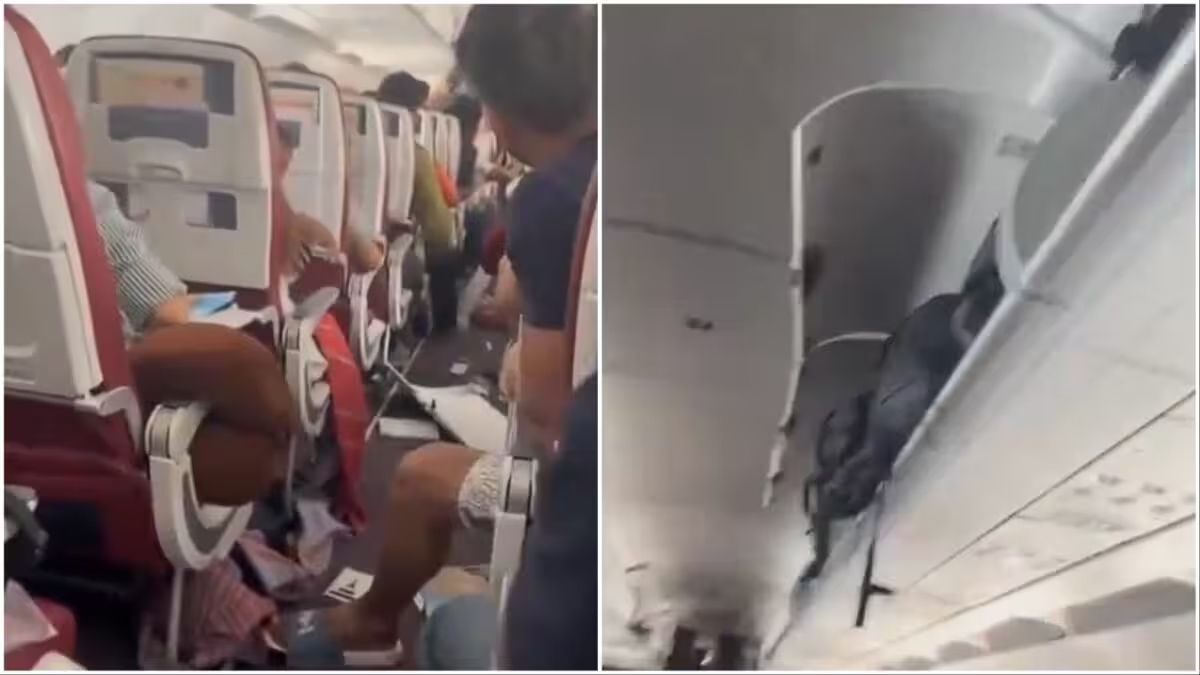
Airbus is dispatching a team of technical specialists to New Delhi this week to assist Indian authorities investigating a dramatic incident aboard an Air India flight that dropped sharply mid-flight on August 4, resulting in injuries to 17 people on board. The move underscores the complexity of the inquiry and the involvement of multiple stakeholders in determining what caused the Airbus A320 to lose approximately 300 feet of altitude while en route from Phuket to India's capital, before the aircraft stabilised and completed its landing without further incident.
The 137-passenger aircraft, crewed by eight personnel, experienced the frightening ordeal in what Indian aviation authorities have classified as a Serious Incident. The Aircraft Accident Investigation Bureau, India's official investigative body, has assumed responsibility for the probe and is now receiving direct technical support from the aircraft manufacturer. An Airbus spokesperson confirmed on Monday that the company was committed to furnishing "technical assistance" to relevant Indian investigating authorities and remained actively engaged in supporting Air India throughout the investigation process.
Indian media outlets have reported extensively on multiple technical irregularities that allegedly manifested just before the sudden altitude loss, though neither Air India, Indian authorities, nor Airbus have officially confirmed these claims. This information gap has fuelled speculation about the incident's root cause and raised questions about transparency in the investigation. Air India has maintained a cautious public stance, stating it "cannot comment on any findings or observations related to the investigation" at this stage, preferring to allow the official investigative process to proceed without commentary that might prejudge outcomes.
A critical element of the investigation centres on screening conducted on both pilots immediately after landing. India's civil aviation ministry revealed that standard psychoactive substance tests were administered to the flight crew following the incident. Significantly, the screening of the pilot-in-command produced results that warranted confirmatory testing, prompting authorities to send samples for detailed laboratory analysis. The final results from this confirmatory testing remain pending, adding another layer of urgency to understanding what transpired during the flight.
Both pilots have been removed from flying duties pending completion of the investigation, a standard procedural measure that underscores the seriousness with which Indian aviation authorities are treating the incident. The removal reflects both regulatory protocol and the necessity of ensuring operational safety while the probe continues. The chief pilot's pending confirmatory drug test results represent a significant focus of investigative attention, as such findings could potentially explain the sequence of events that led to the dramatic altitude loss.
This latest incident compounds mounting difficulties faced by Air India, one of South Asia's major carriers, which has endured a particularly turbulent period marked by operational and safety challenges. The airline's troubles have been exacerbated by disruptions stemming from geopolitical tensions in the Middle East, which have affected aviation operations across the region and disrupted established flight routes and scheduling. These external pressures have coincided with internal operational difficulties that have tested the carrier's ability to maintain service standards and safety records.
The current investigation gains added weight when viewed against Air India's recent catastrophic accident. In June 2025, Air India Flight 171, a Boeing 787 Dreamliner bound for London, crashed shortly after departing from Ahmedabad airport, resulting in one of India's deadliest aviation disasters. The crash killed all but one passenger among the 242 aboard, along with 19 people on the ground, dealing a severe blow to the airline's reputation and raising widespread concerns about operational oversight and safety management within the carrier.
The succession of serious incidents within a relatively short timeframe has intensified scrutiny of Air India's operations and prompted stakeholder confidence crises. In response to these mounting challenges, Air India's leadership underwent significant change last week with the appointment of Tewolde Gebremariam, the former chief executive of Ethiopian Airlines, to helm the troubled carrier. Gebremariam's appointment signals the airline's commitment to importing experienced international aviation leadership to oversee its recovery and restoration of operational integrity.
For Malaysian and Southeast Asian aviation observers, the Air India situation carries regional implications. As an international carrier serving routes throughout Asia-Pacific, Air India's operational difficulties and safety concerns affect regional aviation safety standards and passenger confidence across the broader sector. The incident also highlights the interconnected nature of modern air transport, where technical issues aboard one carrier, investigated by multiple nations and organisations including aircraft manufacturers, reflect the complex web of regulatory and operational responsibility spanning borders and jurisdictions.
The investigation into the August 4 incident represents a crucial test of India's investigative capabilities and commitment to transparency. The involvement of Airbus and international technical expertise demonstrates how modern aviation incidents require collaboration across manufacturers, airlines, and regulatory bodies to identify root causes and implement corrective measures. For passengers throughout the region, these investigations provide reassurance that serious aviation incidents trigger comprehensive, multi-stakeholder responses designed to prevent recurrence and enhance overall flight safety standards.

