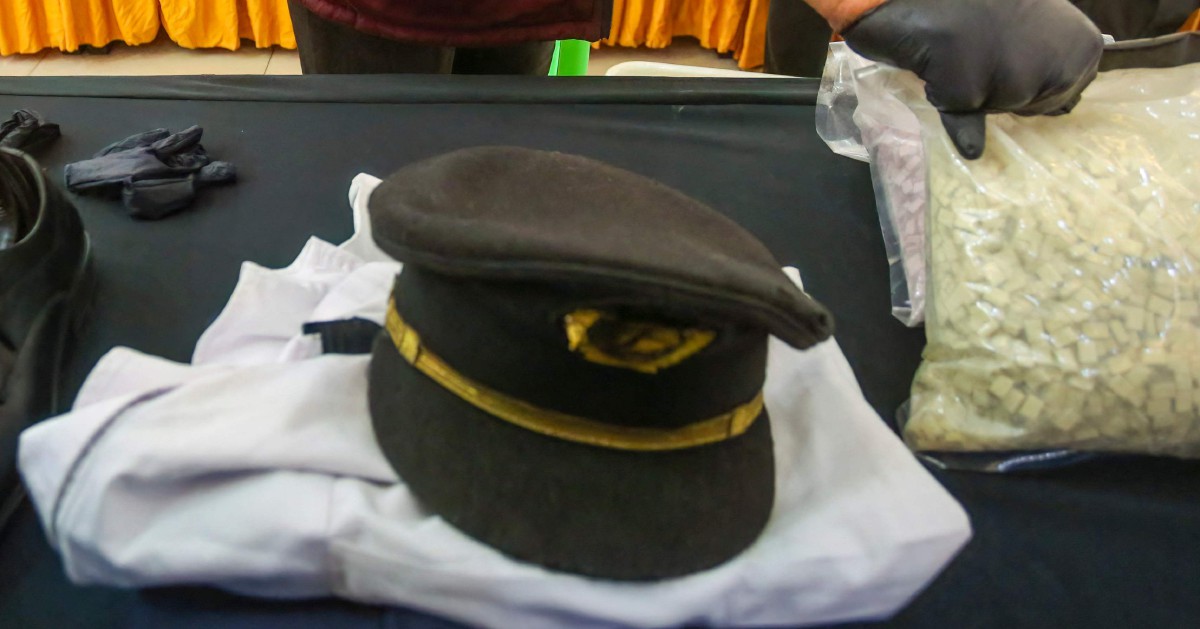
The Royal Malaysian Police have identified an airport worker in his 30s as a person of interest in their ongoing investigation into allegations that a Malaysia Airlines pilot managed to transit through Kuala Lumpur International Airport security checkpoints while carrying narcotics in his luggage. The development marks a significant turning point in the case, shifting investigative focus towards potential involvement by ground personnel in what authorities are examining as a possible breach in airport security protocols.
The emergence of the airport employee as a key figure in the inquiry suggests investigators are exploring whether lapses in security screening procedures or deliberate facilitation by terminal staff may have enabled the pilot to pass through KLIA's multi-layered security systems. This angle underscores growing concerns about the vulnerability of critical transportation hubs to insider threats, a challenge that has preoccupied aviation authorities across Southeast Asia in recent years. The involvement of airport personnel in such matters raises uncomfortable questions about vetting procedures and ongoing oversight of workers with direct access to secure areas.
Kuala Lumpur International Airport operates as Malaysia's primary aviation gateway and handles millions of passengers annually. Security at the facility incorporates baggage screening systems, metal detectors, and personnel checks designed to prevent contraband from entering the departure halls and aircraft. The alleged incident therefore represents not merely a personal infraction by an individual pilot, but potentially a systemic vulnerability that aviation authorities and airport management must urgently address to maintain public confidence in transport security.
Investigations into airport security breaches typically involve close examination of surveillance footage, access control logs, and personnel movements during the relevant timeframe. The police examination of how the alleged drug transport occurred will likely necessitate comprehensive review of KLIA's security protocols and whether training for screening staff adequately addresses detection of narcotics concealment methods. Such internal audits often reveal procedural gaps that criminal actors exploit.
The Malaysia Airlines pilot case arrives at a sensitive moment for the aviation industry, which has faced intense scrutiny over safety and security standards following high-profile incidents in the region. Malaysian carriers operate under international oversight and are subject to periodic assessments by aviation bodies that evaluate compliance with established protocols. Any evidence of security weaknesses could prompt regulatory reviews affecting operational procedures at Malaysia's busiest airport and potentially at regional competitors.
The identification of the airport employee also raises broader implications for airport workforce management across Malaysia and Southeast Asia. Ground staff at major hubs typically work long hours in pressurised environments, sometimes with limited supervision in specific zones. Background checks and periodic integrity assessments remain critical, yet resource constraints often limit the scope of ongoing employee vetting. The case may catalyse discussions about whether current screening and monitoring practices are sufficiently robust.
For Malaysia Airlines, the allegations touch directly on corporate reputation and regulatory standing. The airline operates in a globally competitive market where security standards and crew conduct significantly influence passenger confidence and booking patterns. International carriers increasingly emphasise their commitment to security and crew professionalism, making any incident involving pilot misconduct a serious matter requiring transparent management and corrective action.
The police investigation will likely extend beyond merely establishing whether the pilot transported drugs, to determining the complete chain of custody and who knowingly participated in facilitating the alleged breach. This may involve interviewing numerous airport personnel, reviewing communications, and examining financial records for evidence of inducements or corrupt payments. Such investigations are typically lengthy and complex, requiring coordination between multiple law enforcement agencies including those responsible for narcotics control and airport security.
The case underscores a critical vulnerability in the aviation supply chain: the human element. While sophisticated technology screens for many threat categories, enforcement ultimately depends on individuals making correct decisions under demanding conditions. Airport security personnel handle high volumes of passengers and baggage, creating opportunities for smugglers to identify and exploit momentary lapses or sympathetic officials. Training programmes that emphasise both procedural discipline and ethical responsibility are therefore essential safeguards.
For Malaysian enforcement agencies, the investigation represents an opportunity to strengthen cooperation between aviation security specialists and narcotics investigators. Cross-agency information sharing and coordinated operations have proven effective elsewhere in disrupting smuggling networks, and this case may accelerate adoption of such integrated approaches within Malaysian law enforcement structures.
The identity and role of the airport employee will likely become clearer as the investigation progresses and charges are potentially laid. Whether the worker acted independently, was coerced, or participated in an organised smuggling operation will substantially affect the scope of prosecutions and the implications for airport security governance. Public disclosure of investigative findings will also test whether airport management implements meaningful reforms or relies on rhetoric without substantive change.
As the inquiry continues, the case serves as a reminder to aviation authorities throughout Southeast Asia that security excellence demands constant vigilance, regular audits, and unwavering commitment to integrity standards among all personnel with airport access. For Malaysia, reinforcing these principles will be essential to maintaining KLIA's reputation as a secure, professionally managed international gateway.

