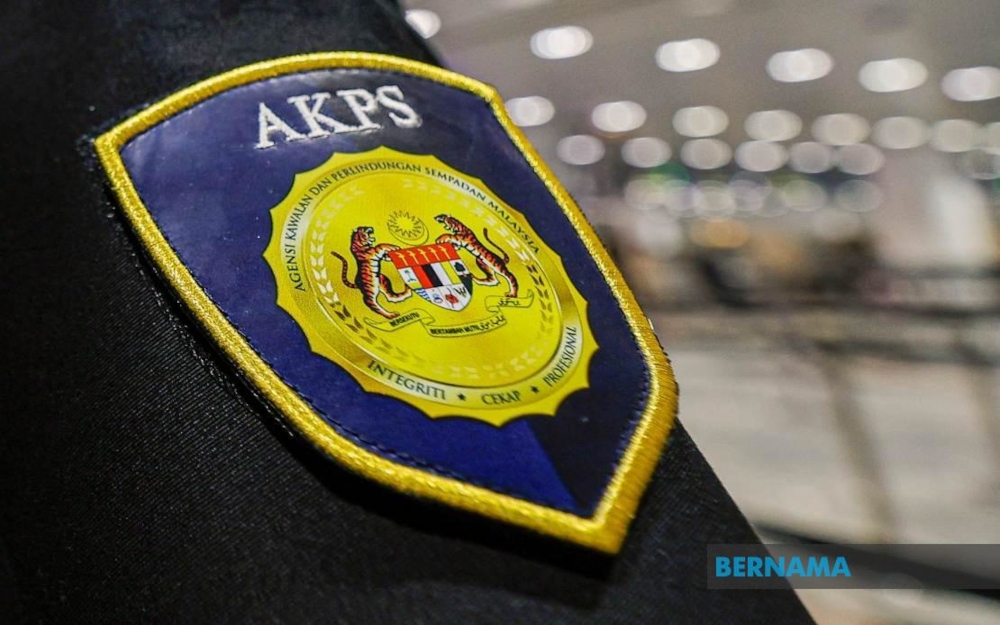
The Malaysian Border Control and Protection Agency (AKPS) has initiated a formal investigation into claims that an officer at Kuala Lumpur International Airport 2 solicited unofficial payments from travellers using a personal QR code. The allegation centres on demands for RM100 from passengers, raising fresh questions about corruption and the enforcement of airport protocols in one of the country's major transportation hubs.
The investigation signals heightened scrutiny of conduct among border officials following growing public concern over illicit payment schemes at international gateways. While authorities have not disclosed the specific circumstances of the reported incident, the use of personal digital payment methods rather than official channels suggests deliberate circumvention of institutional oversight and audit trails. Such practices undermine the credibility of Malaysia's immigration and border control operations, which handle millions of travellers annually and are crucial to the nation's international reputation.
This incident reflects broader challenges facing border agencies across Southeast Asia, where the volume of passenger traffic, understaffing, and variable enforcement standards create environments vulnerable to misconduct. The AKPS, which oversees immigration controls and passenger screening, operates under increasing pressure to process travellers efficiently while maintaining security standards. When individual officers exploit their position to extract informal payments, they not only breach institutional rules but also compromise the agency's legitimacy and passengers' confidence in the border process.
The use of QR codes for payment represents a modern adaptation of traditional corruption tactics. Personal payment codes bypass bank records and official documentation, making it difficult for supervisors and auditors to detect irregular transactions. This technological sophistication suggests the scheme, if substantiated, was deliberate rather than opportunistic, pointing to potential systematic issues in how the agency manages officer conduct and financial oversight at its facilities.
For Malaysian travellers and international visitors, such allegations are particularly troubling. Foreign tourists and business travellers frequently report confusion about legitimate charges versus unofficial demands at border crossings worldwide. The availability of personal payment mechanisms via QR codes potentially exploits this vulnerability, as passengers may reasonably assume that requests from uniformed officers represent standard airport procedures. This creates an asymmetrical power dynamic where travellers feel pressured to comply without recourse or clarity on whether the transaction is lawful.
The investigation's scope and depth will be crucial in determining whether this represents an isolated incident or symptomatic of wider corruption within KLIA 2 operations. Preliminary findings should address whether other passengers have been affected, whether the officer acted alone or with others' knowledge, and what safeguards failed to prevent or detect the conduct. Internal investigations by agencies investigating their own staff sometimes face credibility questions; therefore, transparency in methodology and findings will be essential to restore confidence.
Institutional responses matter significantly for Malaysia's standing as a reliable gateway for international commerce and tourism. Budget airlines and low-cost carriers operating from KLIA 2 bring millions of passengers annually, many choosing Malaysia as their Southeast Asian entry point. Corruption at border points directly affects tourists' first and lasting impressions of the country, potentially influencing travel decisions and destination recommendations. In competitive regional tourism markets, such concerns can have measurable economic consequences.
The timing of this investigation also intersects with broader discussions about salary structures and working conditions within Malaysia's public sector. Border officials often work irregular shifts, handle emotionally demanding interactions, and receive remuneration that may not reflect the responsibility of their roles. While inadequate compensation never justifies corruption, understanding employment conditions provides necessary context for comprehensive reform. Addressing misconduct requires both individual accountability and systemic improvements to institutional frameworks.
Regulatory frameworks governing AKPS officer conduct should be examined as part of this investigation. Clear codes of conduct, robust training on acceptable interactions with passengers, and transparent mechanisms for reporting suspected misconduct form the foundation of ethical operations. Regular audits of payment flows, mystery shopper programmes, and passenger feedback mechanisms can identify vulnerabilities before they become widespread problems. Digital systems that require official authentication for any service charges can eliminate the possibility of personal payment schemes.
The investigation's conclusions will likely influence policy discussions within Malaysia's aviation and border management sectors. Findings may prompt recommendations for enhanced vetting during recruitment, refresher training on ethics and regulations, or technological upgrades to airport payment systems. Authorities may also consider anonymous reporting channels that allow fellow officers to flag concerning behaviour without fear of retaliation, strengthening internal accountability mechanisms.
For regional observers, this incident underscores common challenges facing border agencies across Southeast Asia. As countries compete for regional hub status and seek to attract tourists and investment, maintaining integrity at immigration points becomes a competitive advantage. Nations that successfully eliminate corruption-related perceptions gain reputation benefits that translate into higher visitor numbers, more foreign direct investment, and enhanced regional standing.
The AKPS investigation must balance swift resolution with thoroughness, ensuring that findings are credible and remedial actions are effective. Public communication about the investigation's progress and outcomes, while respecting due process and confidentiality where appropriate, demonstrates commitment to accountability. Such transparency helps restore passenger confidence and reinforces that Malaysia takes border integrity seriously.

