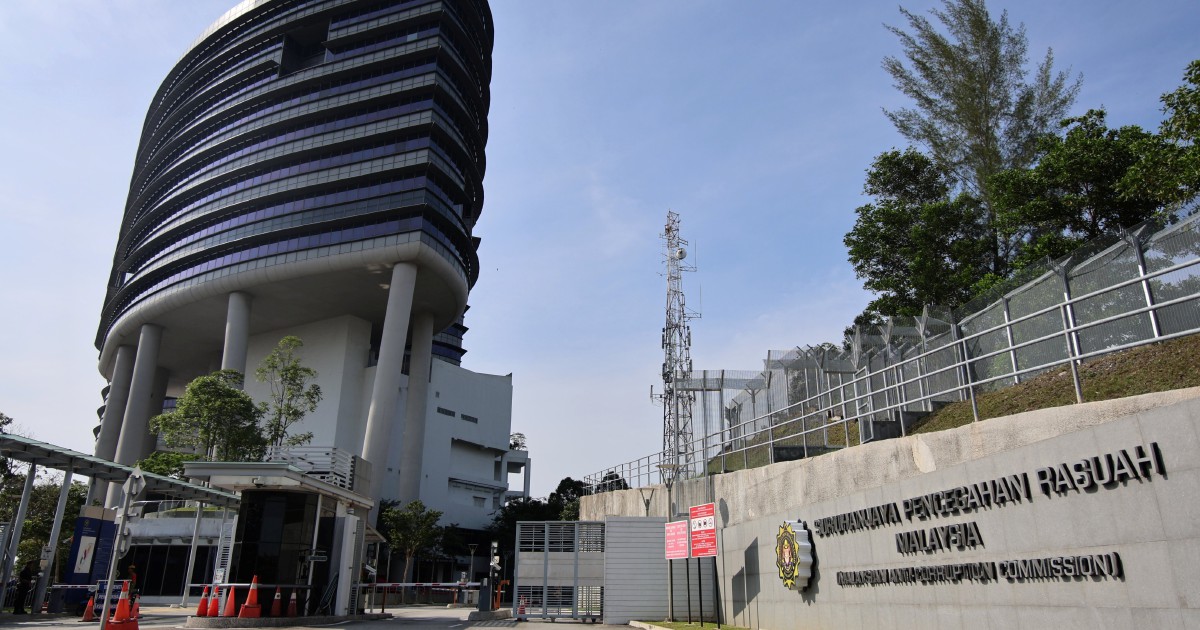
Datuk Azmi Ahmad, the group managing director and chief executive officer of Alam Maritim Resources Bhd, has been freed from detention by the Malaysian Anti-Corruption Commission (MACC), marking a significant development in an ongoing inquiry into the maritime services company.
The release comes after a period of custodial questioning by anti-corruption investigators probing matters connected to the listed shipping and offshore support vessel operator. While specific allegations remain unclear, the MACC's decision to release the executive suggests that initial questioning phases have been completed or that authorities have obtained sufficient information for the time being.
Alam Maritim Resources, a significant player in Malaysia's maritime sector, provides shipping and offshore support services to clients across the region. The company operates in a strategically important industry that underpins the nation's shipping and oil and gas operations, making developments affecting its leadership a matter of broader business interest.
The detention and subsequent release of a chief executive by the MACC typically signals heightened regulatory scrutiny within an organization, with implications for corporate governance and stakeholder confidence. Such actions often trigger wider industry examination, particularly in sectors like maritime services where government contracts and tender processes can be subject to accountability reviews.
For investors and stakeholders in Alam Maritim Resources, the MACC's intervention represents significant uncertainty during a critical period. Publicly listed companies facing regulatory investigations frequently experience market volatility as participants assess the magnitude and implications of potential violations. The release of the chief executive may provide some temporary reassurance, though questions about the investigation's scope and timeline will likely persist.
The incident reflects Malaysia's broader anti-corruption enforcement framework, which has intensified in recent years. The MACC's powers to detain suspects for questioning and investigate suspected misconduct across both public and private sectors have become increasingly active in scrutinizing corporate entities and their leadership structures.
For Malaysia's maritime and offshore industries, which remain vital economic drivers contributing significantly to national revenue, such investigations carry weight beyond individual cases. They demonstrate authorities' commitment to maintaining transparency and probity within sectors managing substantial public and private resources, particularly where major contracts are involved.
The release of Datuk Azmi Ahmad from remand does not necessarily conclude the MACC's investigation into Alam Maritim Resources. Authorities typically use phased questioning approaches, and further developments could emerge as inquiries progress. The investigation may lead to additional interviews, document reviews, or other investigative steps depending on findings from the initial detention period.
Industry observers will be watching closely for further announcements, particularly regarding any charges that might be filed or official statements from the company and authorities clarifying the investigation's nature. The maritime services sector, which encompasses numerous listed and unlisted operators throughout Southeast Asia, tends to respond to regulatory actions with heightened compliance reviews.
For Malaysian companies operating across regional markets, developments within domestic regulatory frameworks carry practical implications. Enhanced anti-corruption enforcement, while important for institutional integrity, creates operational complexity that businesses must navigate through improved internal controls and governance practices.
The case also underscores the importance of robust corporate governance structures in Malaysia's maritime and shipping industries. As regional trade corridors and maritime activities continue expanding, stakeholder confidence in responsible business practices becomes increasingly central to sustainable sector development and investor participation.
Moving forward, attention will focus on how Alam Maritim Resources addresses this period of regulatory attention and whether the company implements additional governance measures to strengthen stakeholder trust. The broader implications for Malaysia's anti-corruption regime and its application within private sector maritime operations will likely generate discussion among compliance professionals, legal practitioners, and industry participants throughout the region.

