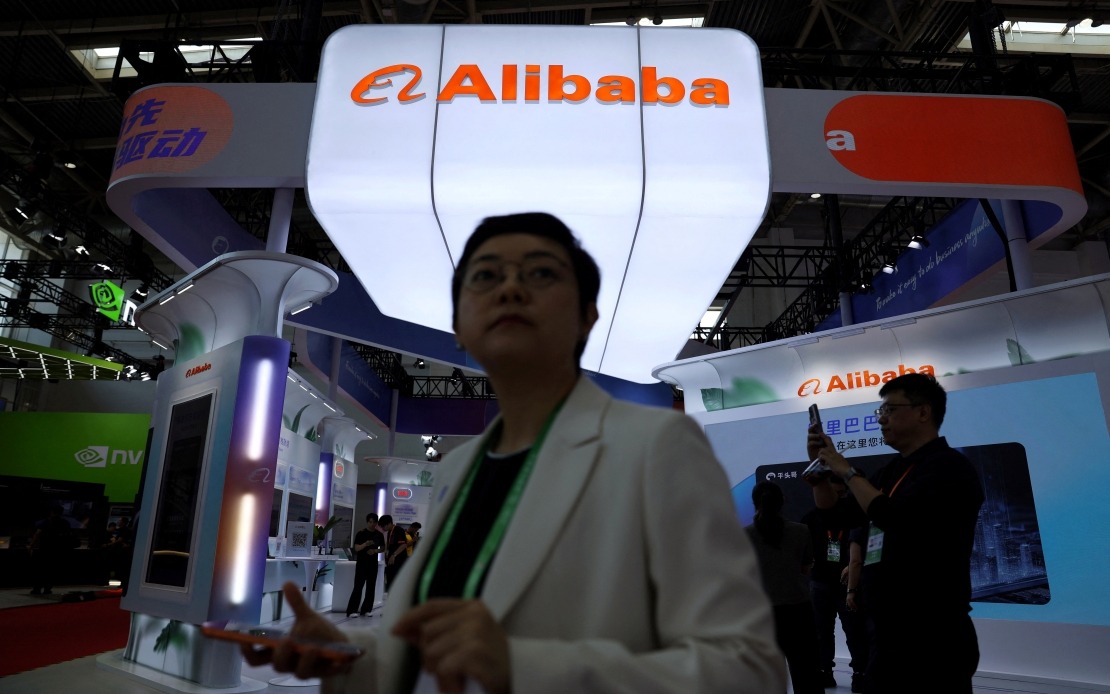
Chinese e-commerce and technology conglomerate Alibaba has initiated legal proceedings against the United States Department of Defense, challenging its recent classification as a company with ties to China's military-industrial apparatus. The lawsuit, filed in a Washington federal court and disclosed publicly on Tuesday, represents a significant pushback from one of Asia's most influential technology firms against American national security determinations that carry substantial commercial and political implications.
The central argument in Alibaba's complaint centres on the absence of substantive evidence supporting the Pentagon's classification. Company representatives assert in the filing that the military designation lacks foundational support in either factual circumstances or applicable law. This legal challenge underscores growing tensions between major Chinese technology enterprises and United States security institutions over how military connections are evaluated and defined in an increasingly complex geopolitical landscape.
Alibaba emphasizes in its court submission that the company maintains governance structures entirely independent from military influence or control. The company states explicitly that no member of its board of directors possesses military affiliation, a detail intended to demonstrate the absence of institutional links to defence establishments. This governance transparency claim forms a crucial component of the company's broader defence against characterizations that suggest structural or operational integration with Chinese military interests.
The company further contends that its entire commercial portfolio—encompassing retail platforms, logistics infrastructure, and enterprise information technology solutions—operates exclusively within civilian market segments. According to Alibaba's legal position, neither the design nor the deployment of these services contemplates military applications. The technology infrastructure supporting its marketplaces, supply chain management systems, and business software solutions target commercial entities and individual consumers rather than defence-related customers or governmental military agencies.
Internal compliance frameworks at Alibaba purportedly include explicit contractual restrictions preventing military utilization of company products and services. These contractual provisions, Alibaba argues, demonstrate corporate-level commitment to civilian-only operations. Furthermore, the company emphasizes that it maintains no military certifications or government defence licenses—credentials that would be fundamental prerequisites for any legitimate military-adjacent business operations within the Chinese regulatory environment.
The Pentagon's decision to expand its designated list came in early June when the Department of Defense announced the addition of 188 entities to its inventory of companies assessed as connected to China's military-industrial complex. This sweeping designation simultaneously ensnared several technology sector giants alongside Alibaba, including video entertainment platform Tencent and automotive manufacturer BYD. The scope of the expansion reflected broader American security concerns about technological dependencies and intellectual property transfer risks associated with Chinese companies operating within critical sectors.
For Malaysian businesses and investors monitoring United States-China technology relations, Alibaba's legal challenge represents a meaningful test case regarding how American authorities will define and defend military-industrial designations. The outcome carries implications for regional technology companies engaged in cross-border partnerships with Chinese firms, as well as for Southeast Asian investors evaluating exposure to Chinese technology stocks. A successful Alibaba challenge could establish legal precedent for other contested designations, potentially reshaping the landscape of sanctions-related constraints on Chinese technology enterprises.
The broader commercial consequences of the Pentagon's designation include restrictions on business activities with American entities, limitations on technology licensing, and potential complications for international partnerships. For Alibaba specifically, the military-industrial classification creates operational obstacles despite the company's substantial overseas business interests and significant market presence across Southeast Asia, including substantial operations supporting Malaysian e-commerce participants and digital transformation initiatives.
This legal confrontation also illuminates evolving American national security doctrine under which technology companies face heightened scrutiny regardless of demonstrated commercial orientation. The designation mechanism itself operates somewhat independently from conventional sanctions frameworks, creating ambiguity about precise operational implications for affected companies. Alibaba's decision to litigate rather than negotiate diplomatically signals the company's assessment that legal challenge offers superior prospects to administrative remedies or quiet resolution through back-channel discussions.
The lawsuit reflects Alibaba's calculations regarding reputational and commercial damage. By actively contesting the characterization in federal court, the company signals to international business partners, investors, and customers that it contests the legitimacy of the Pentagon's determination. This posture differs markedly from passive acceptance, which might reinforce perceptions of actual military connections regardless of factual merits. Southeast Asian enterprises collaborating with Alibaba in logistics, fintech, and digital commerce platforms will likely monitor this case closely, as judicial outcomes may influence their own regulatory standing.
For Malaysian policymakers and regulators monitoring technology sector developments, Alibaba's challenge underscores the practical complexity of navigating technology relationships amid great-power competition. The case demonstrates how regulatory designations rooted in security rationale can face legal contestation when subjected to standards of evidence and burden-of-proof requirements applicable in American courts. The litigation outcome may ultimately influence how regional governments calibrate their own approaches to managing relationships with major Chinese technology platforms.