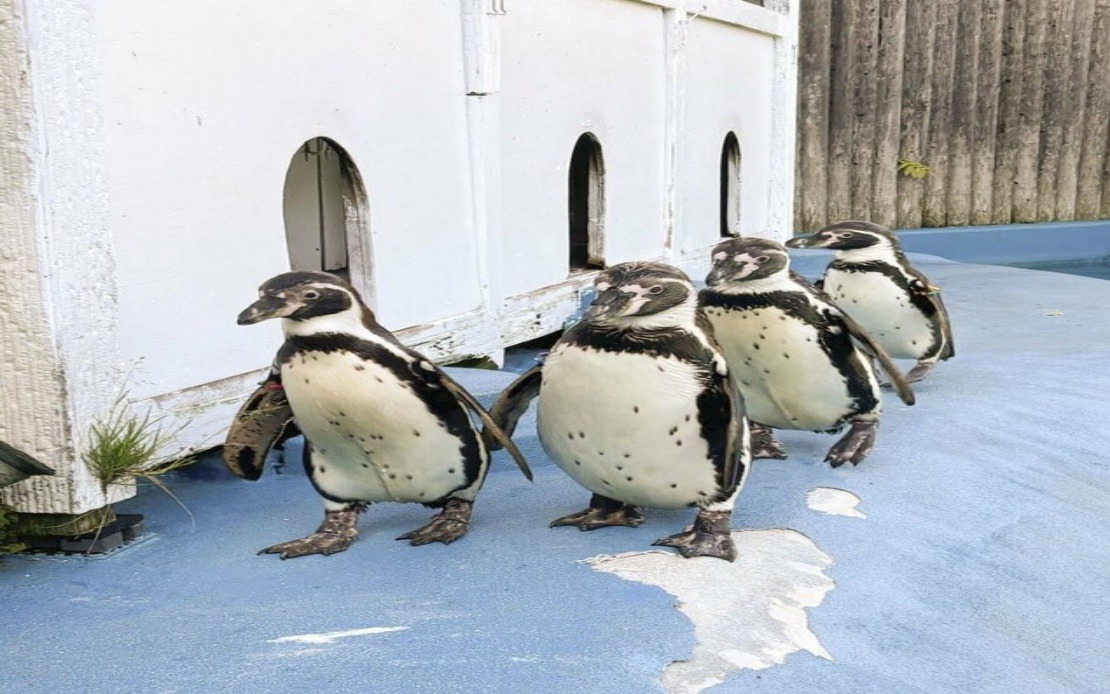
Yagiyama Zoological Park in Sendai, northeastern Japan, confirmed Friday that avian malaria was responsible for the deaths of all four Humboldt penguins housed at the facility. The findings came from an investigation commissioned by the zoo and conducted by researchers at Iwate University, which revealed that the mosquito-borne disease progressed silently in each bird before proving fatal. The sequence of deaths unfolded rapidly, with the first penguin, a male named Aramasa, dying on July 9, followed by three more between that date and July 19.
The disease pattern observed in these penguins highlights a particularly insidious characteristic of avian malaria: its capacity to advance from asymptomatic to terminal within an extraordinarily brief timeframe. Zoo staff noted with concern that none of the four birds exhibited any visible signs of distress or illness until approximately 24 hours before their deaths. This swift progression made early intervention impossible and underscores the challenges wildlife managers face when dealing with vector-borne diseases in captive animal populations.
Avian malaria, despite its name, presents no transmission risk to human visitors or staff members at the zoo. The disease belongs to a category of pathogens specific to avian species, transmitted exclusively through mosquito vectors that cannot transfer the infection to humans. This distinction proves important for public health communications, as it allows the zoo to reassure visitors that the incident poses no broader epidemiological concern to the surrounding community in Sendai.
Humboldt penguins represent a species well-suited to warmer environmental conditions compared to their Antarctic and sub-Antarctic cousins, making them increasingly popular residents at zoos throughout Japan. These birds naturally inhabit the coastal regions of Peru and Chile, where they have evolved to tolerate significantly warmer waters and climates than species found in polar regions. This biological adaptation, however, does not confer protection against tropical and subtropical diseases such as avian malaria, which flourish in the same warm climates where Humboldt penguins thrive in the wild.
The circumstances surrounding the outbreak point toward mosquito breeding within the penguin enclosure as a probable transmission vector. Sendai, located in Miyagi Prefecture in northeastern Japan, experiences warm, humid summers that create ideal breeding conditions for mosquitoes. The zoo has identified puddle formation within the habitat as a contributing factor, suggesting that water accumulation in the enclosure provided breeding sites for infected mosquitoes that subsequently transmitted the disease to the captive birds.
In response to this tragedy, zoo officials have announced a comprehensive redesign of the Humboldt penguin exhibit aimed at preventing future outbreaks. The primary intervention involves structural modifications to eliminate standing water and puddles where mosquito larvae develop. Beyond physical alterations, the zoo intends to implement broader preventive measures, though specific details regarding additional safeguards remain under development. These enhancements reflect growing recognition within the zoo industry of the necessity to address vector-borne diseases in captive animal management.
The zoo has made no firm commitment regarding the timing or feasibility of acquiring replacement Humboldt penguins for the facility. Officials indicated that reintroduction of the species will occur only after confidence in the effectiveness of preventive measures has been established through thorough testing and evaluation. This cautious approach prioritizes animal welfare over the immediate restoration of the exhibit, demonstrating institutional responsibility in the aftermath of the outbreak.
For zoos across Southeast Asia and the broader region, this incident carries important implications for animal husbandry protocols in tropical and subtropical climates. The rapid spread of avian malaria at Sendai Zoo demonstrates that even well-maintained facilities can fall victim to vector-borne diseases if environmental conditions remain conducive to mosquito breeding. Malaysian zoos and wildlife facilities, operating in a similarly warm and humid climate, would benefit from reviewing their own enclosure designs and mosquito control strategies to mitigate similar risks to their bird collections.
The incident also highlights the evolving intersection between wildlife management and epidemiological control in captive environments. As climate change expands the geographic range of disease vectors, zoos globally must adapt their operational practices to account for emerging biological threats. The Sendai Zoo's response provides a case study in institutional learning and adaptive management, demonstrating how a facility can transform crisis into opportunity by fundamentally redesigning its approach to environmental control and animal protection.

