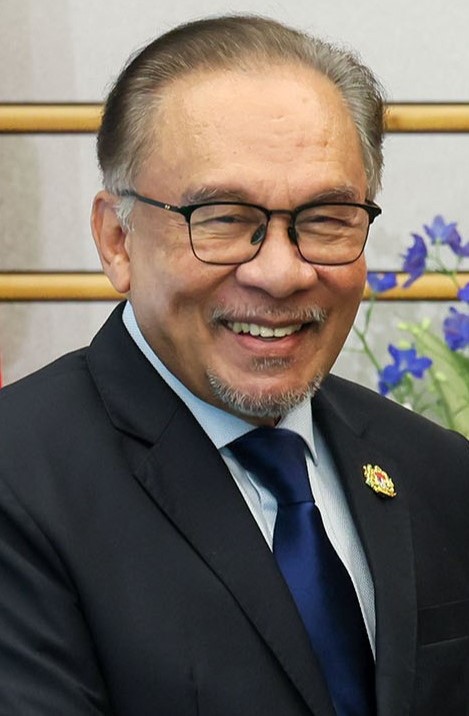
Amanah President Datuk Seri Mohamad Sabu has publicly backed his party's choice to field Sharon Teo Siew Hui as the parliamentary candidate for Permas in the Johor state election, brushing aside significant internal resistance from the party's Pasir Gudang division. The move underscores Amanah's commitment to fielding candidates from diverse ethnic backgrounds, a strategic positioning that distinguishes the party within Malaysia's multiethnic political landscape.
The Pasir Gudang division's boycott represents a notable fracture within the party's ranks, reflecting deeper tensions between traditionalist elements within Amanah and the leadership's increasingly inclusive electoral strategy. Such internal disagreements at the divisional level are not uncommon in Malaysian politics, where local party structures sometimes resist centre-led decisions perceived to challenge established norms or community expectations. However, Mat Sabu's unequivocal endorsement signals that the party leadership remains committed to its vision regardless of localized opposition.
Teo's candidacy in Permas carries particular significance within the broader context of Malaysian electoral politics and representation. Permas, a constituency in Johor, presents unique demographics and voter composition that party strategists evidently believe can accommodate a candidate from a non-Malay background. The decision suggests Amanah is gambling that the constituency's voting patterns and demographic profile will prove receptive to diverse representation, a bet that could either vindicate the party's inclusive approach or expose vulnerabilities in its understanding of ground sentiment.
Mat Sabu's dismissal of concerns as presenting "no problem" represents a confident public stance, yet it masks the complexity underlying candidate selection in Malaysia's ethnically conscious political environment. In a nation where race and religion remain central considerations in electoral decision-making, fielding non-Malay candidates in certain constituencies requires careful calculation. The Amanah president's apparent casualness about the issue may reflect genuine confidence in Teo's candidacy or could constitute a deliberate strategy to project an air of normalcy around multiethnic representation.
Amanah's positioning within the broader Malaysian political ecosystem has consistently emphasized pluralism and inclusive governance. Unlike some rival parties that maintain more ethnically or religiously defined voter bases, Amanah has sought to build a coalition transcending traditional communal lines. This philosophical orientation directly informs leadership decisions on candidate selection, and Mat Sabu's backing of Teo aligns with the party's established brand identity and long-term strategic objectives.
The Pasir Gudang division's opposition to Teo's candidacy raises questions about the effectiveness of central party leadership in managing grassroots sentiment and ensuring organizational cohesion. Boycotts by party divisions, even symbolic ones, can create negative narratives during election campaigns and may dampen enthusiasm among ground-level party workers responsible for mobilization and voter outreach. For Amanah, managing this internal friction while maintaining momentum will prove crucial to electoral performance in Johor.
The Johor election context adds layers of complexity to this candidacy dispute. As one of Malaysia's most politically significant states, Johor has historically been a stronghold for particular political factions, and shifting voter preferences have made recent elections highly competitive. Any candidate fielded in the state faces heightened scrutiny, and internal party divisions become more consequential when electoral margins are tight. Amanah's willingness to weather the Pasir Gudang boycott suggests party strategists view Teo's potential vote-getting ability as outweighing the costs of internal dissent.
Sharron Teo's personal profile and track record will ultimately determine whether Amanah's faith in her candidacy proves justified. Malaysian voters have demonstrated increasing sophistication in candidate evaluation, looking beyond demographic categories to competence, local engagement, and perceived ability to deliver constituent services. If Teo possesses genuine grassroots connections and credible policy credentials within Permas, she may overcome initial skepticism tied to the novelty of non-Malay representation in the constituency.
The broader implication of this episode for Malaysian politics concerns the pace at which electoral norms around candidate demographics are shifting. Younger voters, urban constituencies, and multiethnic population centers increasingly display comfort with diverse representation, yet significant portions of the electorate remain influenced by traditional identity-based voting calculations. Amanah's gambit in Permas may test whether that demographic transition has reached critical mass or whether older patterns of ethnic-based candidate preferences remain determinative.
Mat Sabu's unwavering public support also signals to Amanah's broader coalition partners and potential supporters that the party will not retreat from inclusive representation under pressure. For voters attracted to Amanah specifically because of its multiethnic positioning and commitment to pluralistic governance, the leadership's firmness on Teo's candidacy reinforces party authenticity. Conversely, the Pasir Gudang boycott serves as a reminder that internal consensus on these matters remains incomplete.
The outcome of Teo's electoral contest in Permas will provide meaningful data points for understanding whether Malaysia's political landscape is genuinely evolving toward greater ethnic and demographic diversity in representation or whether current changes remain superficial. Should Teo succeed despite the internal party opposition, it would vindicate Amanah's inclusive strategy and potentially encourage other parties to field more diverse candidates. Conversely, a disappointing result might suggest that voter preferences on this dimension remain more conventional than progressive urban narratives imply.