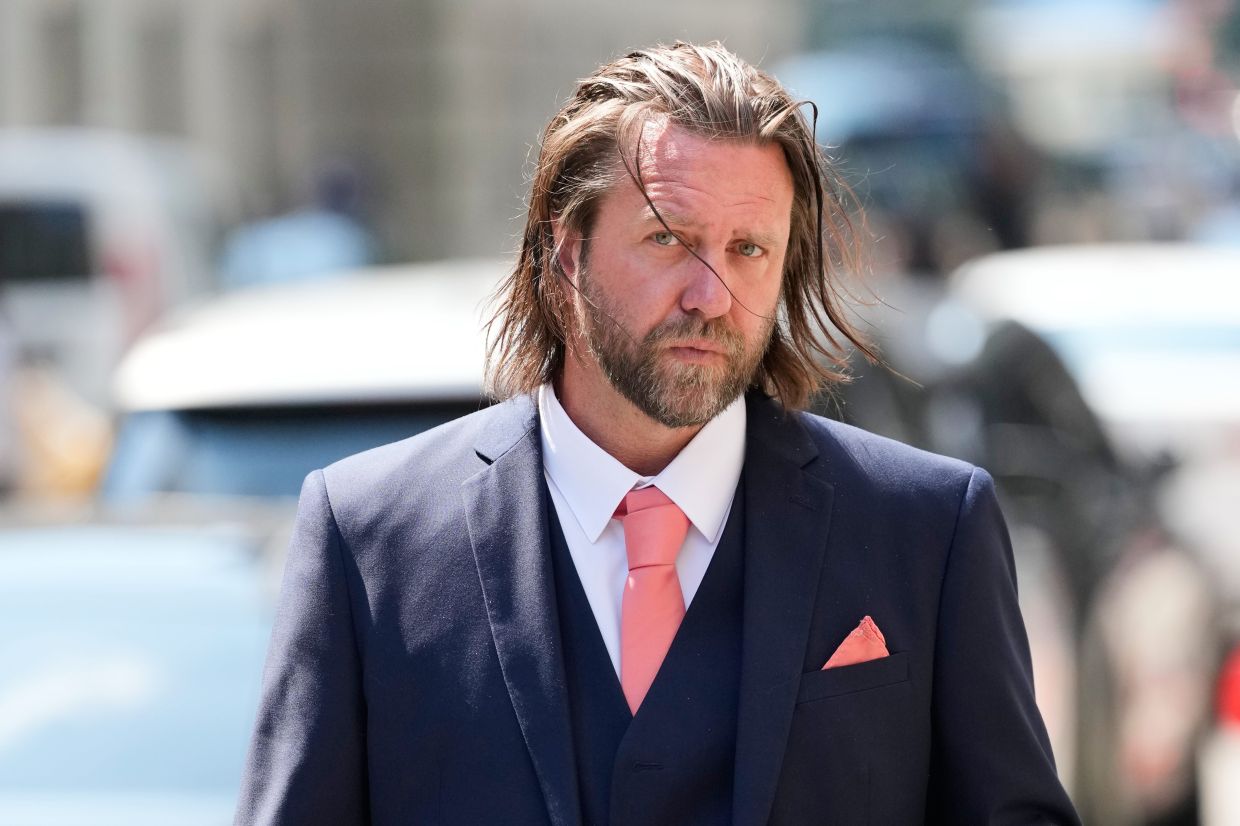
American film director Carl Rinsch has received a prison sentence following his conviction on fraud charges related to the misuse of US$11 million that the streaming giant Netflix provided him to develop a science fiction television series. The 48-year-old filmmaker was entrusted with the substantial funding in 2020 but diverted the resources away from production toward personal expenditures and speculative financial ventures, prompting federal prosecutors to pursue criminal charges that have now resulted in incarceration.
Rather than directing his efforts toward the creative project, Rinsch engaged in a pattern of financial misconduct that included placing risky bets on volatile stock options and cryptocurrency investments. The misallocation of studio funds extended to an extravagant lifestyle, with the director acquiring high-end fashion items, premium furnishings, and an impressive collection of exotic automobiles. Court documents detail purchases that encompassed a red Ferrari alongside five Rolls-Royces, painting a picture of unbridled personal indulgence at the expense of professional obligations.
US Attorney for the Southern District of New York Jay Clayton provided insight into the egregious nature of the misconduct, explaining that Rinsch had essentially abandoned his contractual duties in favour of self-serving financial speculation and lavish consumption. The prosecutor's statement underscored how the director's actions represented a fundamental breach of trust between the entertainment platform and the creative professional it had engaged. This case highlights the vulnerability of major streaming services when entrusting substantial production budgets to individual filmmakers without adequate oversight mechanisms.
Beyond the prison term, the court imposed significant financial consequences on Rinsch, requiring him to forfeit the entire US$11 million that constituted the original Netflix payment. This restitution requirement ensures that funds are returned to Netflix, though the recovery process may prove lengthy given typical payment schedules in such cases. The financial penalty serves both as punishment and compensation, attempting to restore the streaming company to its pre-fraud position.
Rinsch's legal representatives mounted a defense strategy centred on mitigating circumstances, appealing to judicial leniency by emphasizing external pressures that allegedly contributed to his misconduct. The defense argued that the director had operated under considerable career strain combined with the emotional and financial turmoil of a highly contentious divorce proceedings. By framing the fraud as symptomatic of personal crisis rather than criminal intent, his lawyers sought to influence sentencing discretion in their client's favour.
The production at the heart of the dispute was initially conceived as a science fiction narrative with an ambitious premise. According to court materials, the series would have centred on a scientist character who engineers a generation of clones possessing extraordinary capabilities. The plot envisioned these clones being exiled to an enclosed district within a Brazilian city, where they would build an advanced technological civilization while simultaneously engaging in conflict with baseline humans and amongst themselves. The concept represented the kind of high-concept, effects-driven storytelling that appeals to contemporary streaming audiences.
Rinsch's career in feature film direction commenced with earlier projects that established his credentials in the industry, though those initial works predated his involvement with Netflix. His prior experience provided the foundation upon which Netflix executives presumably based their decision to allocate the substantial production budget. The case raises questions about how streaming platforms conduct due diligence on directors before committing significant capital to new projects, particularly when dealing with emerging talent or established creatives entering the high-budget television domain.
In the weeks preceding sentencing, acclaimed filmmaker Keanu Reeves, who had collaborated with Rinsch on a previous project, submitted written correspondence to the judge presiding over the case. Reeves advocated for compassionate treatment of his former collaborator, characterizing Rinsch as an exceptional creative talent whose career had been undermined by self-destructive tendencies rather than calculated criminal malice. This character testimony from a respected industry figure provided a counterbalance to prosecution arguments but ultimately did not sway the judge toward the reduced sentence that Rinsch's defense team requested.
The Rinsch case carries particular relevance for the streaming and entertainment sectors across the Asia-Pacific region, where platforms like Netflix continue expanding their original content budgets and working with international creative talent. Malaysian and Southeast Asian filmmakers and producers who engage with global streaming services should recognize how critical financial accountability and transparent project management have become in the post-Rinsch era. Studios now implement more rigorous financial monitoring, milestone-based disbursement schedules, and third-party auditing to prevent similar abuses.
For Netflix specifically, the fraud exposed gaps in project oversight that the company has likely addressed through procedural reforms. The incident demonstrated that even major content platforms with substantial resources and institutional experience remain vulnerable to individual misconduct when adequate controls are absent. The case serves as a cautionary tale within creative industries worldwide, illustrating how the combination of substantial unsupervised budgets and personal financial distress can create conditions conducive to fraud.
The broader implications extend to questions of accountability in entertainment production financing. When creative professionals receive significant advance payments, the assumption typically rests on mutual understanding that funds will be deployed toward their intended purpose. Rinsch's actions violated that fundamental compact, forcing the industry to recalibrate how it manages risk exposure when funding ambitious productions. Moving forward, streaming platforms operating in competitive international markets will likely continue tightening financial controls while maintaining the creative flexibility necessary to attract top-tier directorial talent.

