What began as isolated acts of camera destruction in Minneapolis has evolved into a sprawling civil liberties movement that is reshaping how American cities approach vehicle surveillance. The campaign against Flock Safety's automated license plate recognition system represents an unusual moment of political consensus, uniting libertarians, progressives, and conservative media figures in opposition to a technology that law enforcement agencies have widely embraced. With more than 70 municipalities abandoning contracts with the company in recent months, the anti-Flock movement is proving that determined grassroots activism can challenge even well-funded surveillance infrastructure.
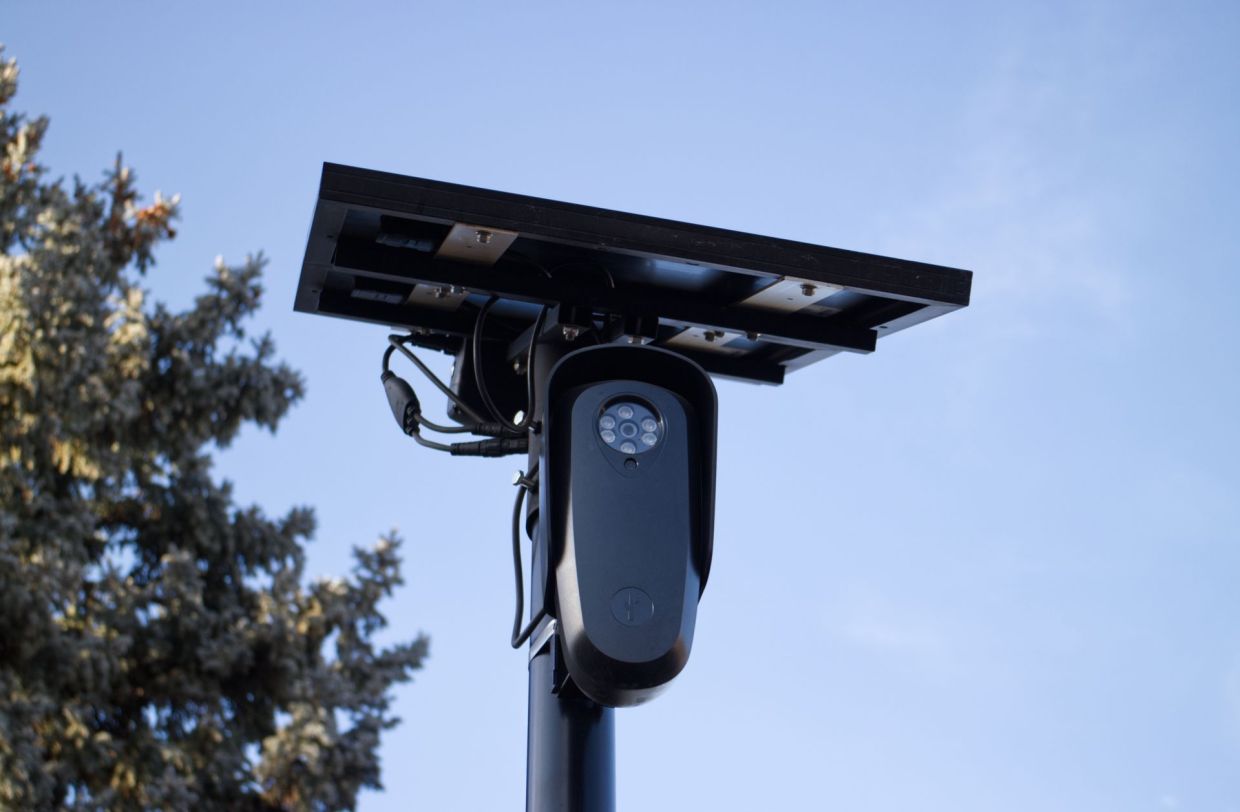
At the heart of the controversy lies a fundamental disagreement about how much surveillance a free society should tolerate. Flock cameras, installed by police departments, homeowners' associations, and private businesses across the United States, do not capture traditional video footage. Instead, they photograph vehicles continuously, recording license plate numbers, make, model, colour, and other identifying features such as bumper stickers. This data is uploaded to cloud servers where it persists for up to a month and can be shared across jurisdictions and between agencies—creating a vast, interconnected database that opponents argue enables unprecedented tracking of citizens' movements without warrants or suspicion.
The technical distinction between Flock and conventional surveillance systems has profound implications for privacy. Traditional cameras operated by municipalities typically record locally and are not networked, limiting their utility for tracking vehicles across geographical boundaries. By contrast, Flock's centralised data architecture transforms the surveillance landscape. Police departments can query the system to identify vehicles involved in crimes, but the same technology enables broader monitoring. A Richmond, Virginia police official described how his department uses Flock for "practically any crime that has a connection with a vehicle," illustrating how the system has become embedded in routine law enforcement operations since his department's adoption in 2023. The company points to legitimate successes, including a case where Flock data helped apprehend a suspect fleeing a domestic homicide scene.
However, documented misuse reveals the dangers inherent in such systems. A Washington Post investigation found that at least 50 police officers have been accused of abusing Flock access to track romantic partners and ex-partners without authorization. Cases reported across American media show officers leveraging the system to identify women who obtained abortions in states where the procedure is now illegal, and some have illegally shared data with immigration enforcement agencies. These incidents underscore activist concerns that the technology inevitably enables governmental abuse, regardless of stated intentions.
The movement opposing Flock has taken dramatic and illegal form. A self-identified activist known as Nomark, just 20 years old, has methodically disabled approximately 30 cameras near his Minneapolis home while documenting the process for his 500,000 Instagram followers. What initially terrified him—his first camera destruction left him "super nervous"—has become routine activism. Nomark provides detailed instructions on rendering cameras inoperable, framing the vandalism as necessary resistance to invasive surveillance. His followers and others have replicated his actions nationwide, generating arrests and criminal charges, yet the movement continues accelerating rather than diminishing.
The online infrastructure supporting the anti-Flock campaign demonstrates how digital platforms enable rapid mobilization around privacy concerns. The Facebook group DeFlock America has accumulated more than 600,000 members and grows by thousands daily. Activists have created crowdsourced maps documenting camera locations, shared technical methods for blocking lenses, and celebrated those arrested for destroying equipment as heroes sacrificing personal freedom for collective privacy. This framing transforms vandalism from crime into principled civil disobedience, appealing to Americans across the political spectrum who view surveillance skeptically.
The political coalescence against Flock is genuinely remarkable in an era of deep partisan division. The movement draws support from civil liberties organizations like the American Civil Liberties Union, progressive activists concerned about government overreach, and libertarian conservatives who view surveillance as antithetical to individual freedom. Tucker Carlson, the influential former Fox News host and conservative political figure, has called camera vandals "decent, patriotic Americans" defending liberty through direct action. This convergence across ideological lines suggests the issue taps into foundational American anxieties about state power and personal autonomy that transcend typical partisan boundaries.
Flock's leadership has responded defensively to criticism, with CEO Garrett Langley escalating rhetoric by labeling opponents "terrorists." Such language, rather than delegitimizing the movement, appears to have entrenched opposition and galvanized supporters who view the characterization as confirmation of their concerns about corporate-government partnerships and threats to democratic discourse. The company's aggressive posture may have inadvertently validated activist narratives about unaccountable technological surveillance expanding without meaningful public debate or consent.
Local organizing has proven remarkably effective at translating online momentum into tangible policy victories. Communities nationwide are mobilizing residents to attend city council meetings and demand that municipal leaders cancel Flock contracts. Christopher Newport University criminology professor Steven Keener has advised residents on how to engage elected officials directly, emphasizing that such local democratic processes remain available to citizens concerned about surveillance expansion. This emphasis on conventional political participation has broadened the movement's appeal beyond vandalism, creating pathways for citizens uncomfortable with illegal action but still opposed to Flock deployment.
The geographic scope of municipal departures from Flock demonstrates the movement's expanding influence. Cities ranging from Los Angeles to small Virginia towns have terminated relationships with the surveillance company, suggesting that sustained activism is reshaping local government procurement decisions. These victories occur not through legislative action at the federal level but through cumulative community pressure, indicating how surveillance policy is increasingly determined by bottom-up activism rather than top-down governmental decisions. For Malaysian observers, this pattern may illuminate how domestic constituencies can challenge surveillance expansion through organized pressure on elected officials.
The implications of America's anti-Flock movement extend beyond the United States. As surveillance technologies proliferate globally, including in Southeast Asia, the American case study demonstrates both the possibilities and limitations of grassroots resistance. The movement shows that technological systems, once deployed, can be challenged through sustained activism combining digital coordination, direct action, and traditional political engagement. However, it also reveals that such resistance requires time, resources, and genuine broad-based opposition—conditions that may not exist everywhere surveillance expands.

