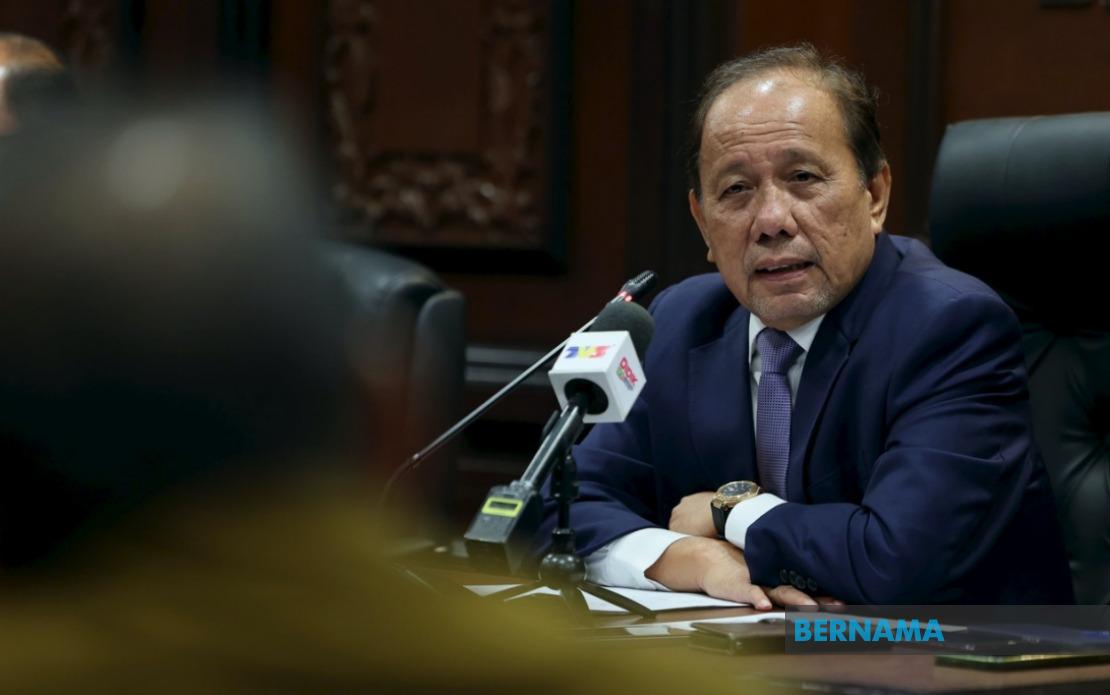
In a significant development regarding the transition of political power in Negeri Sembilan, current Menteri Besar Datuk Ismail Lasim has disclosed that only one former Pakatan Harapan state official has returned his full allocation following the dissolution of the state assembly. Datuk Seri Aminuddin Harun, who previously held the position of menteri besar, stands alone among his former colleagues in having settled his financial obligations completely, marking a point of distinction in the broader accountability process now underway across the state.
The comment from Ismail highlights a broader pattern of partial compliance among former PH assemblymen regarding the return of state funds disbursed to them before the assembly was dissolved on June 5. While some former representatives have initiated the process of returning allocations starting from the end of June, their submissions fall short of the full amounts they received during their tenure. This partial repayment approach has prompted the state government to seek fuller accounting and documentation of how these funds were deployed during the relevant period.
Among those who have begun the return process are the coordinators responsible for the Paroi and Labu state constituencies. However, the amounts these officials have returned do not match the totality of what was allocated to their respective areas. The discrepancy between disbursed sums and returned funds has necessitated a more detailed examination by the Menteri Besar's Office to establish the precise outstanding balance owed by each former representative and the reasons underlying any shortfalls in their repayments.
Ismail explained that the office is currently engaged in a comprehensive review of allocation records to determine the exact financial position of each former PH assemblyman. The variation in amounts received by different representatives means that any recovery letters issued will not be uniformly structured. Some individuals may face demands to return substantially more than others, with the variance depending entirely on what the state's accounting records show each constituency received and has not yet been returned. This differentiated approach underscores the administrative complexity involved in managing the financial aftermath of a political transition.
The former state executive councillors who served under the previous administration, including Aminuddin, retained their ex-officio membership status until July 31 and consequently remained entitled to access allocations designated for that final month of their service. This important distinction has shaped the expectations regarding full repayment. Those who held executive positions are therefore not being asked to return funds allocated for July, whereas other representatives are being required to reimburse allocations from the July to September period within a month of the assembly's dissolution.
The state government's position on this matter reflects broader questions about the responsible stewardship of public resources during transition periods. Ismail has indicated that former representatives may have already expended portions of their allocations for legitimate constituency purposes before the dissolution occurred. However, rather than accepting this explanation wholesale, his government is insisting on comprehensive documentation. Officials must now provide detailed expenditure records justifying how they utilised state funds, with any unaccounted gaps representing sums that should be returned to the state coffers.
Defending the allocation usage on behalf of his party, Nilai assemblyman J. Arul Kumar, who also serves as Negeri Sembilan DAP chairman, contended that all disbursed funds had been deployed for genuine community welfare initiatives rather than partisan political activities. He further stated that the DAP had proactively returned all unspent balances to the Menteri Besar's Office before July 10, accompanied by comprehensive financial reports documenting how each state constituency's allocation had been managed. This disclosure suggests that at least some former PH components are taking a transparent approach to the accounting process, though the incomplete repayments noted by Ismail indicate that not all former representatives share this level of diligence.
The situation in Negeri Sembilan mirrors broader governance challenges faced across Malaysia whenever political administrations change hands. The transition of resources, personnel, and institutional memory from one government to another frequently reveals discrepancies in accounting practices and fund management. In this case, the differential compliance rates among former officials suggest either varying standards in financial record-keeping across constituencies, or potentially differing interpretations of what obligations attached to these allocations once the government dissolved.
For Malaysian readers observing state-level governance, the Negeri Sembilan case illustrates the importance of establishing clear institutional protocols before political transitions occur. Aminuddin's exemplary full repayment may reflect either superior administrative practices during his tenure or a more conscientious approach to accountability after leaving office. Either way, his action sets a standard against which other former officials' partial compliance is being measured, creating implicit pressure on them to close any remaining gaps in their accounts.
The Menteri Besar's Office review process will ultimately determine whether any former representatives face legal or administrative consequences for non-compliance. The completion of this exercise carries implications beyond Negeri Sembilan, as it may influence how future transitions are handled in other Malaysian states. Clear precedent about expectations for returning allocations when administrations change could shape the financial discipline applied by incoming governments when they inherit responsibilities for settlement of their predecessors' obligations and outstanding accounts.

