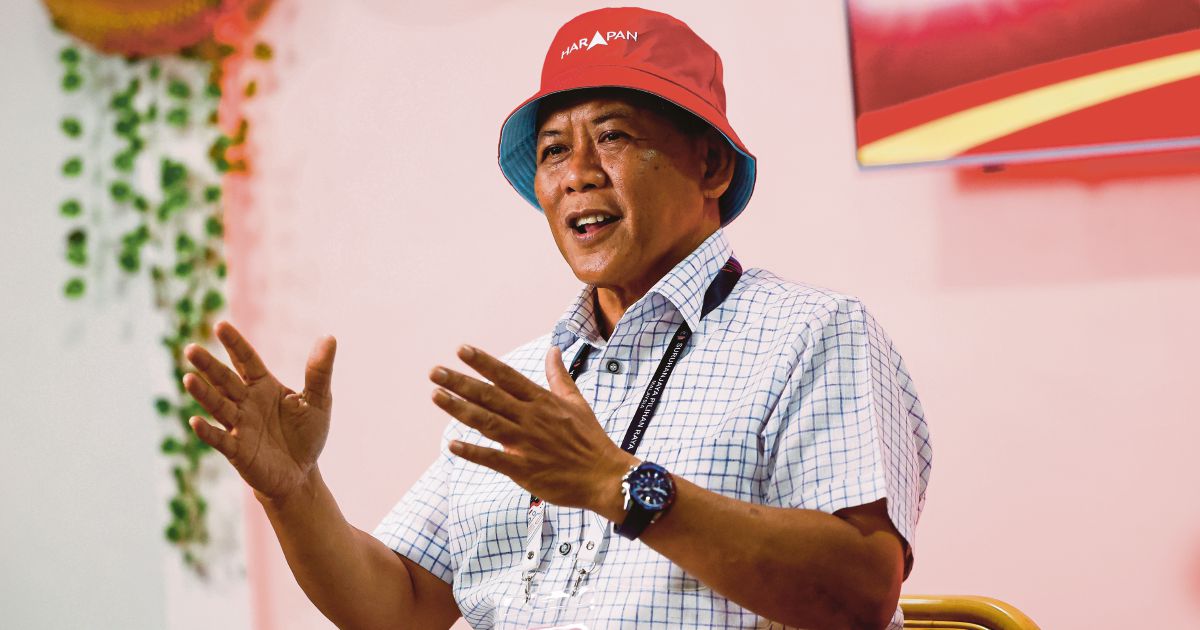
Caretaker Negri Sembilan Menteri Besar Datuk Seri Aminuddin Harun is banking on the state administration's performance to convince Linggi voters to back him in tomorrow's 16th Negri Sembilan state election. The incumbent leader, addressing campaigners in Port Dickson, expressed confidence that the electorate would reward the government for its work over the past term and translate that support into votes.
The Linggi constituency represents a crucial battleground in tomorrow's poll, given its significance as a stronghold with considerable voting numbers. Aminuddin's decision to emphasise governance accomplishments rather than rely solely on party machinery signals a recognition that economic concerns and service delivery have emerged as primary considerations for state voters. His strategy reflects broader patterns observed in Malaysian electoral contests, where incumbent administrations increasingly stress tangible benefits delivered to communities rather than abstract ideological positions.
Negri Sembilan has witnessed substantial development under the current administration, with infrastructure projects, educational improvements, and healthcare initiatives forming the backbone of the government's narrative. The state's economic diversification efforts, coupled with targeted investments in manufacturing and tourism sectors, have provided the caretaker Menteri Besar with concrete achievements to present to the electorate. These accomplishments, proponents argue, have translated into improved living standards and employment opportunities across constituencies, including Linggi.
The emphasis on track record reflects a calculated political approach designed to appeal to pragmatic voters who may prioritise competent governance over party affiliation. In an era where state governments increasingly compete on the quality of their administrative performance and the visibility of development projects, focusing on what the administration has delivered becomes a potent electoral weapon. For Linggi specifically, the constituency has benefited from several state-funded initiatives, which Aminuddin's campaign hopes will resonate with residents.
However, the effectiveness of this strategy depends on how voters perceive the distribution of benefits and whether they believe improvements have reached their immediate communities. In Malaysian state elections, local issues often overshadow broader developmental narratives. Linggi residents' concerns about traffic congestion, drainage problems, neighbourhood safety, and access to essential services may weigh as heavily as state-level achievements in shaping their voting preferences. The caretaker administration's success in connecting national and state-level accomplishments to hyperlocal concerns will be critical.
Aminuddin's confidence also derives from the ruling coalition's organisational strength and ground presence. The Barisan Nasional and its component parties have invested considerable resources into mobilising supporters and conducting targeted outreach in constituencies deemed essential to maintaining control. Linggi, given its electoral significance, has received intensive campaign attention, with senior party figures and state assemblymen regularly appearing at public events and direct engagement sessions.
Yet the 16th state election takes place amid shifting political dynamics in Malaysia. Voter sentiment has become increasingly volatile, with electorate members demonstrating willingness to switch allegiances based on performance assessments and localised grievances. The rise of independent candidates and alternative coalitions has fragmented the traditional two-coalition framework, introducing additional unpredictability into electoral outcomes. For Negri Sembilan specifically, this volatility means that even governments with respectable track records cannot assume voter loyalty.
The opposition has countered the incumbents' development narrative with critiques questioning whether benefits have been equitably distributed and whether governance has addressed fundamental systemic issues. Alternative coalitions have attempted to capitalise on voter concerns about corruption, inefficiency, and perceived neglect of specific communities. In Linggi, opposition campaigns have highlighted unresolved infrastructure deficits and alleged administrative shortcomings, attempting to undermine the government's performance-based messaging.
Aminuddin's explicit appeal to the state government's achievements indicates that Barisan Nasional strategists believe the period since the 15th election has provided sufficient positive developments to justify renewed voter confidence. The administration has prioritised visible projects that communities can directly observe and experience, understanding that perception of tangible progress influences electoral behaviour more powerfully than abstract policy claims. Whether this strategy proves sufficient to secure Linggi in tomorrow's contest will partly depend on how effectively the ruling coalition translates its developmental narrative into votes.
The outcome in Linggi will serve as a crucial indicator of broader sentiment across Negri Sembilan. The constituency's political complexion and voter demographics make it representative of the state's middle-income communities, whose preferences often determine regional electoral outcomes. Should Aminuddin's strategy of emphasising governmental achievements prove successful in Linggi, it would suggest that voters have prioritised competent administration over alternative political offerings. Conversely, if opposition or other challengers make inroads despite the incumbent's development claims, it would signal that state residents perceive governance concerns overshadow recent accomplishments.

