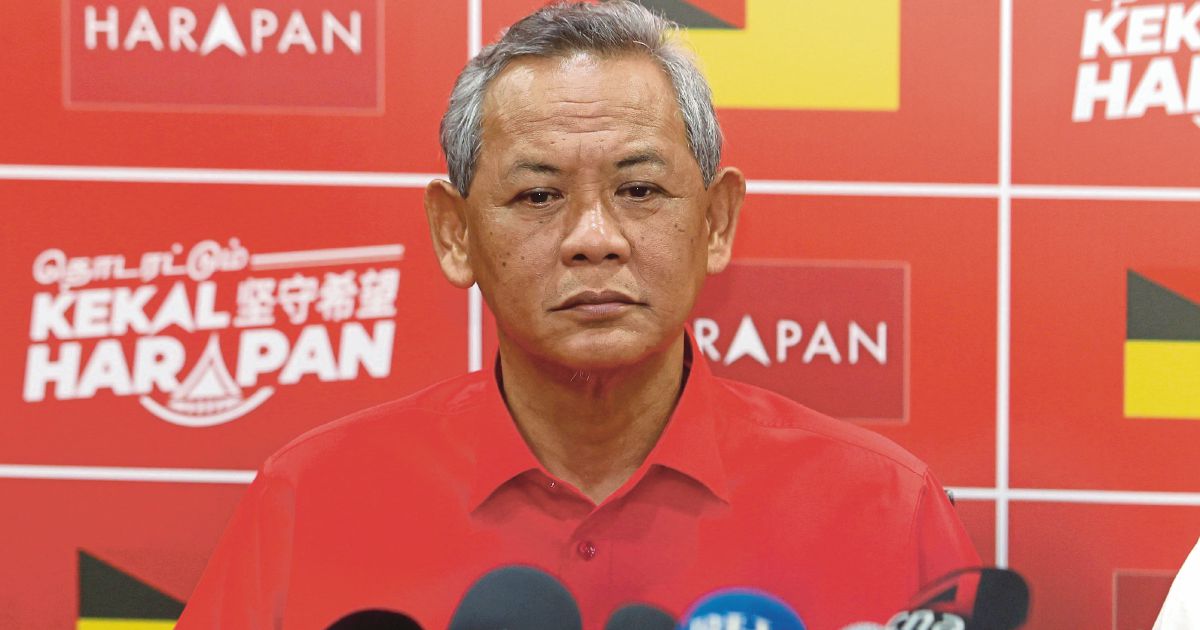
Former Negri Sembilan menteri besar Datuk Seri Aminuddin Harun has indicated his willingness to relinquish his position as Parti Keadilan Rakyat state chairman following the coalition's recent electoral performance in the state, marking a significant moment of accountability within the party's regional structure. The announcement, made in Melaka, reflects the internal reckoning taking place within PKR leadership circles as the party grapples with the implications of the poll results across the country.
The move carries particular weight given Aminuddin's prominence in Negri Sembilan politics and his former tenure as menteri besar, a position that ended when state administrations shifted across Malaysia's political landscape. His preparedness to step aside demonstrates the growing acknowledgment within PKR that electoral performance must carry consequences for party leadership, a principle that has become increasingly important as Malaysian voters demand greater accountability from their political representatives and internal party structures.
Negri Sembilan occupies a strategically important position in Malaysian politics, sitting at the geographical and political heart of Peninsular Malaysia. The state's electoral outcomes often signal broader trends affecting the Pakatan Harapan coalition and the ruling government, making recent results particularly instructive for national political observers. As a central state connecting the country's northern and southern regions, Negri Sembilan's political direction influences the stability of coalitions and the viability of administrations both at state and federal levels.
Aminuttin's potential departure from the state PKR chairmanship would represent another instance of leadership transition within the party following recent electoral setbacks. PKR and its partners in the ruling coalition have faced mounting pressure from various quarters to demonstrate responsiveness to voter concerns, whether those relate to economic management, healthcare delivery, education policy, or governance standards. The party's regional leadership structure has become a focal point for discussions about renewal and institutional effectiveness.
The timing of Aminuddin's statement is significant, arriving at a moment when coalition parties are reassessing their strategies and personnel arrangements ahead of anticipated future electoral contests. The announcement allows the party to demonstrate self-reflection and commitment to improvement, factors that increasingly influence voter perceptions in Malaysia's competitive political environment. Such moves can serve as gestures toward party members and the broader electorate that leadership takes responsibility for outcomes.
Within PKR specifically, questions about state-level organisation and effectiveness have featured prominently in post-election discussions. The party's performance in individual states contributes to its overall strength and its ability to negotiate within the broader Pakatan Harapan coalition framework. Negri Sembilan, as a competitive state with a substantial electorate and multiple parliamentary constituencies, represents the kind of territory where PKR's fortunes matter considerably for the coalition's federal standing and parliamentary mathematics.
Aminutdin's background as a former menteri besar means his departure from the state chairmanship would not necessarily indicate his exit from Negri Sembilan politics entirely. Many senior figures in Malaysian politics maintain involvement in state affairs even after stepping back from specific organizational roles. His future trajectory within PKR and potential contributions to state politics remain open questions that will unfold in coming months as the party restructures its leadership arrangements.
The broader context for such transitions includes PKR's evolution since returning to government as part of the Pakatan Harapan coalition following the 2022 general election. The party has grown significantly in organisational scope and responsibility, managing ministries and state administrations while attempting to cement itself as a stable, professional political force. Transitions in state leadership roles often reflect this ongoing maturation process and efforts to align party structures with voter expectations.
For Negri Sembilan voters and political observers, the reshuffling of PKR's state leadership raises questions about who will assume greater responsibility for the party's direction and strategy in the state. Succession planning in Malaysian political parties often reflects broader factional dynamics and considerations about generational balance between senior and emerging leaders. The selection of Aminuddin's successor will offer insights into PKR's priorities for the state and the coalition's vision for Negri Sembilan's political future.
The announcement also occurs within Malaysia's wider political context, where state-level elections and contests carry increasing significance. With federal election cycles potentially tightening and the possibility of more simultaneous state and federal polls, state party organisations have become increasingly important battlegrounds for political positioning. How PKR reconfigures its Negri Sembilan apparatus will influence the coalition's competitive capacity in the state and its broader national standing as elections approach.

