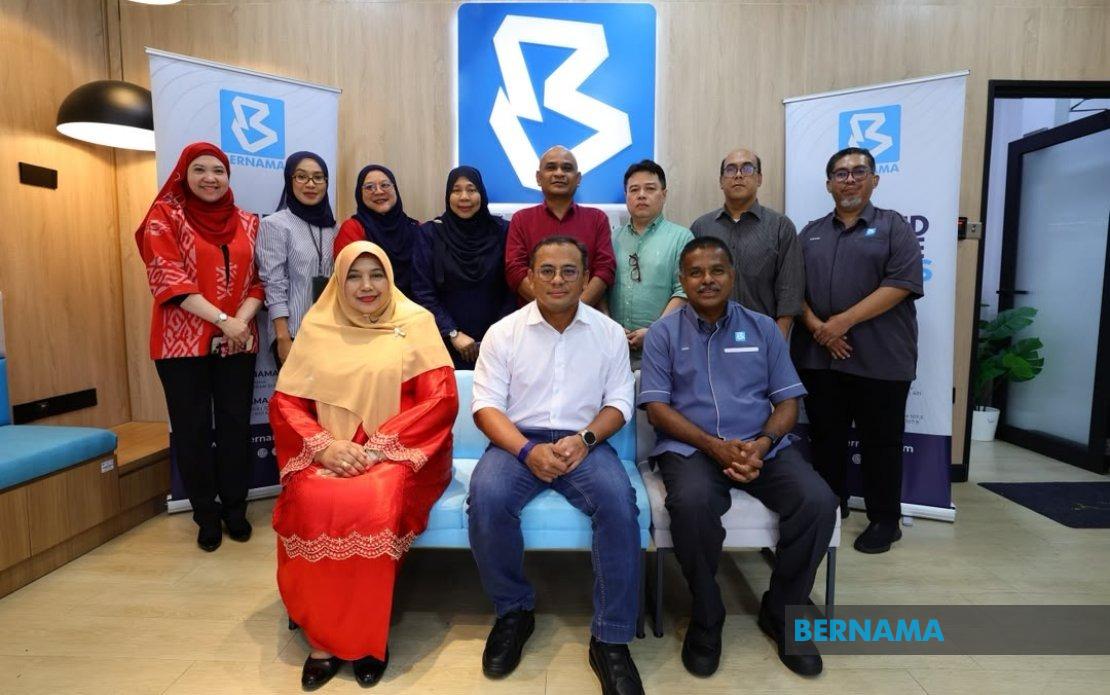
Selangor Menteri Besar Datuk Seri Amirudin Shari made an unscheduled visit to the Malaysian National News Agency's Negeri Sembilan bureau on July 20 to observe firsthand how the nation's primary news organisation is managing its election coverage operations. The visit underscores the significance both political leaders and media institutions place on transparent reporting during crucial electoral moments in Malaysia.
Amirudin, who doubles as Pakatan Harapan's election director, arrived at the Bernama office in Seremban at 2 pm and was greeted by the agency's chief executive officer Datin Paduka Nur-ul Afida Kamaludin and editor-in-chief Arul Rajoo Durar Raj. The presence of senior management including deputy editor-in-chief of News Services Mohd Shukri Ishak and Negeri Sembilan bureau chief Nursyabiha Sukri reflected the formality and importance attributed to the visitor's inspection.
During his time at the bureau, Amirudin received a comprehensive briefing from Negeri Sembilan election coverage coordinating editor Mohd Hisham Abdul Rafar about Bernama's approach to reporting on the state election as it entered its third day of campaigning. This exchange provided insight into how Malaysia's state news agency structures its coverage to ensure balanced and comprehensive information reaches the public during electoral periods—a critical responsibility in any functioning democracy.
The Negeri Sembilan state election represents a significant political moment in the region, with voters preparing to elect representatives who will shape the state's direction. As the nation's primary newswire service, Bernama's role in disseminating accurate, timely information about the campaign process carries considerable weight. The visit by a top opposition-aligned political figure to observe these operations signals the importance of media credibility and institutional independence during elections, even when politicians from different coalitions may have competing interests.
The timing of Amirudin's visit coincided with an active campaign phase, where candidates and parties across the political spectrum were conducting their final appeals to voters. Bernama's newsroom serves as the nerve centre for gathering, verifying, and distributing election-related information to media outlets throughout Malaysia and internationally. The agency's commitment to comprehensive coverage during this period helps ensure that voters have access to the information they need to make informed decisions.
Beyond his inspection of newsroom operations, Amirudin was scheduled to participate in a recorded interview with Bernama TV to discuss election developments and provide his perspective on the campaign's trajectory. These media appearances by senior political figures offer voters direct access to candidates' views and help shape the broader narrative around the electoral contest. For Bernama, hosting such interviews reflects its role as a primary platform for political discourse during election season.
The Election Commission has structured the Negeri Sembilan poll with early voting scheduled for July 28, allowing certain eligible voters to cast their ballots before the main polling day on August 1. This staggered voting process requires coordinated media coverage to inform voters about dates, locations, and procedural requirements. Bernama's operations room serves as the hub for ensuring this information flows accurately to the public through various channels and media partners.
For Malaysian readers, particularly those in Negeri Sembilan, the activities at Bernama's election operations room represent the institutional machinery that underpins informed electoral participation. The agency's journalists work to cover candidate campaigns, policy announcements, and voter movements across multiple constituencies. This coverage enables citizens to compare candidates and parties before casting their votes, fulfilling journalism's fundamental democratic function.
The visit also illuminates the relationship between political actors and media institutions in Malaysia. While Amirudin's inspection might be viewed as standard practice for opposition leaders to monitor election coverage fairness, it also demonstrates how Bernama maintains professional distance and welcomes scrutiny of its operations. This openness helps reinforce public confidence in the agency's neutrality, a crucial asset when election coverage commands intense political scrutiny from all sides.
Regionally, the Negeri Sembilan election offers insights into Malaysian electoral dynamics and federal-state political relationships. As Selangor's leader, Amirudin's involvement reflects how state-level politics intersect with national coalition strategies. Bernama's comprehensive coverage of such elections helps regional observers and international stakeholders understand Malaysia's political landscape and the various forces shaping local governance.
The thoroughness of Bernama's election coverage extends beyond traditional newswire services to include Bernama TV segments, multimedia platforms, and specialised election tracking. Amirudin's scheduled television interview would contribute to this broader information ecosystem, providing voters with direct access to a key political figure's perspective on the campaign and its implications. Such programming decisions reflect media's role in facilitating democratic dialogue.
As the Negeri Sembilan campaign approached its climax, with early voting beginning July 28 and general voting on August 1, Bernama's operations room remained the information hub serving media organisations across the country. The agency's commitment to balanced, comprehensive coverage during this election cycle helps fulfil the democratic expectation that voters have reliable information sources when making crucial political choices that affect their communities and state governance.

