Malaysia's largest hajj savings institution continues to stabilise despite public scrutiny following the release of a comprehensive government inquiry report, according to prominent financial experts who argue that depositors should maintain trust in Tabung Haji's operational capacity and long-term viability. The reassurance comes as officials work to restore public confidence in the organisation, which manages savings for millions of Malaysians planning to undertake the Islamic pilgrimage to Mecca.
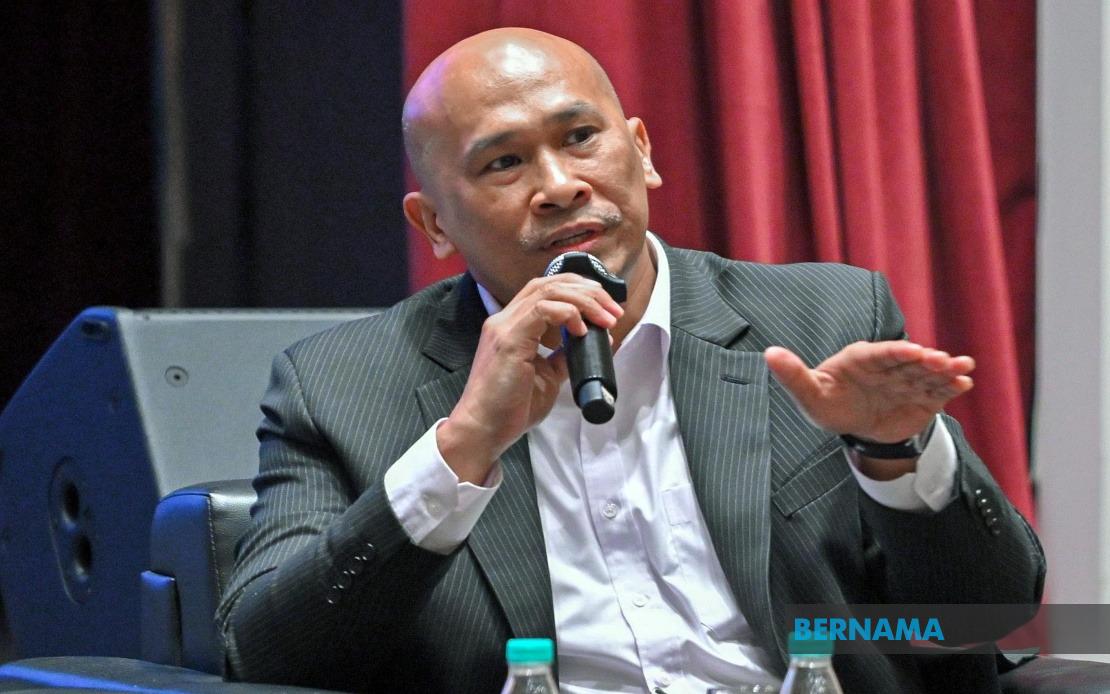
Dr Mohd Afzanizam Abdul Rashid, chief economist at Bank Muamalat Malaysia Bhd, has emphasised that the findings contained in the Royal Commission of Inquiry report, though concerning when initially investigated, represent issues that have already been substantially addressed through coordinated recovery initiatives. The 211-page RCI document, which became available to the public on July 29, examined management and operational shortcomings spanning 2014 to 2020, yet the underlying problems identified are no longer representative of the institution's current operational reality. The report presented 25 distinct recommendations for improvement, and Tabung Haji had already implemented approximately 75 per cent of these measures as of late July.
A particularly significant indicator of institutional recovery lies in Tabung Haji's consecutive five-year track record of positive net assets from 2021 through 2023, according to Dr Mohd Afzanizam's analysis. Net assets—calculated by subtracting total liabilities from total assets—provide a fundamental measure of financial health and solvency. This consecutive demonstration of positive growth directly counters concerns raised about the institution's balance sheet stability and suggests that management interventions have proven effective in reversing previous downward trends. The economist noted that the RCI investigation itself was completed in 2022, meaning the document release represents a delayed public disclosure rather than the emergence of fresh problems.
Among the critical areas requiring institutional attention, Dr Mohd Afzanizam highlighted the necessity for continued enhancement of Tabung Haji's governance framework, particularly regarding leadership restructuring and the realignment of management operations. These governance improvements form a cornerstone of the broader recovery strategy, addressing organisational weaknesses that contributed to operational difficulties during the period under investigation. Enhanced oversight mechanisms and clearer hierarchical accountability represent fundamental reforms intended to prevent recurrence of past failings.
The economist also stressed an important analytical perspective: evaluating Tabung Haji's performance through a purely financial lens provides an incomplete assessment of the institution's true value and operational success. Alongside financial metrics, stakeholders should consider Tabung Haji's management of hajj logistics and its diplomatic relationship with Saudi Arabian authorities, both of which carry substantial weight in determining whether the organisation can fulfill its core mission. Malaysia's annual hajj quota and the quality of pilgrim services depend significantly on maintaining strong bilateral relations with Saudi government entities.
Tabung Haji's international standing in Saudi Arabia remains robust, a development that has enabled Malaysia to secure increasingly generous hajj allocation quotas through sustained diplomatic engagement. The positive perception Malaysian pilgrims receive from Saudi authorities reflects the rigorous discipline and preparation standards that Tabung Haji enforces among prospective and actual hajj participants. Observers who have witnessed Malaysian umrah and hajj pilgrimages report that Saudi officials consistently regard Malaysian visitors highly, a reputation that strengthens Malaysia's negotiating position for expanded pilgrimage opportunities in future years.
Mohd Hafiz Abd Hamid, secretary-general of IKRAM Malaysia, has articulated a broader sociological perspective on Tabung Haji's institutional significance beyond conventional financial assessment. He characterised the organisation not primarily as a banking or savings platform but rather as a fundamental trustee institution serving Muslim Malaysians' aspirations for undertaking the hajj pilgrimage. This characterisation underscores why the maintenance of public confidence carries particular weight—depositors entrust Tabung Haji with funds that represent deeply personal religious and spiritual objectives rather than mere financial returns. This unique positioning creates heightened responsibility for management to preserve the institution's integrity and public trust.
Mohd Hafiz emphasised that leadership at all organisational levels must remain vigilant in ensuring that public confidence does not erode through governance lapses or communication failures. The stakes extend beyond conventional corporate accountability, touching on the religious and cultural significance of hajj within Malaysian Muslim society. Any further deterioration in institutional trust could fundamentally undermine the organisation's ability to function as a reliable conduit for Muslims pursuing pilgrimage obligations.
Individual depositors have demonstrated resilience and continuing faith in the institution despite the negative findings documented in the RCI report. Nooraishah Wahab, a 57-year-old housewife and long-term depositor, stated that the public disclosure of the inquiry report has not diminished her confidence in maintaining savings with Tabung Haji. She expressed optimism that management would continue protecting depositor interests and preserving the trust that underpins the organisation's broader social mission. Such expressions of continued confidence from ordinary depositors suggest that public concern, while legitimate given the documented historical weaknesses, has not reached levels that threaten mass deposit withdrawals or institutional stability.
The timing of the RCI report's public release—nearly two years after investigation completion—raises questions about transparency and institutional accountability that extend beyond Tabung Haji's specific circumstances. The delay between report finalisation and disclosure may have been intentional, allowing the organisation time to implement corrections before facing public scrutiny, or it may reflect bureaucratic procedures within government systems. Regardless, analysts observe that the prolonged gap between investigation and disclosure underscores the importance of maintaining ongoing transparency about recovery progress and institutional metrics to sustain depositor confidence going forward.
Looking ahead, Tabung Haji's ability to sustain depositor confidence will depend on consistent demonstration of financial stability, continued advancement in governance reforms, and transparent communication regarding operational metrics and management decisions. The institution's recovery trajectory, already showing measurable improvement across multiple dimensions, requires sustained commitment to the reform agenda and vigilant protection of the international reputation and diplomatic relationships that enhance Malaysia's position within the hajj ecosystem. For the millions of Malaysian Muslims who entrust their savings to Tabung Haji in pursuit of spiritual objectives, institutional stability and trustworthiness represent non-negotiable requirements that transcend conventional business metrics.

