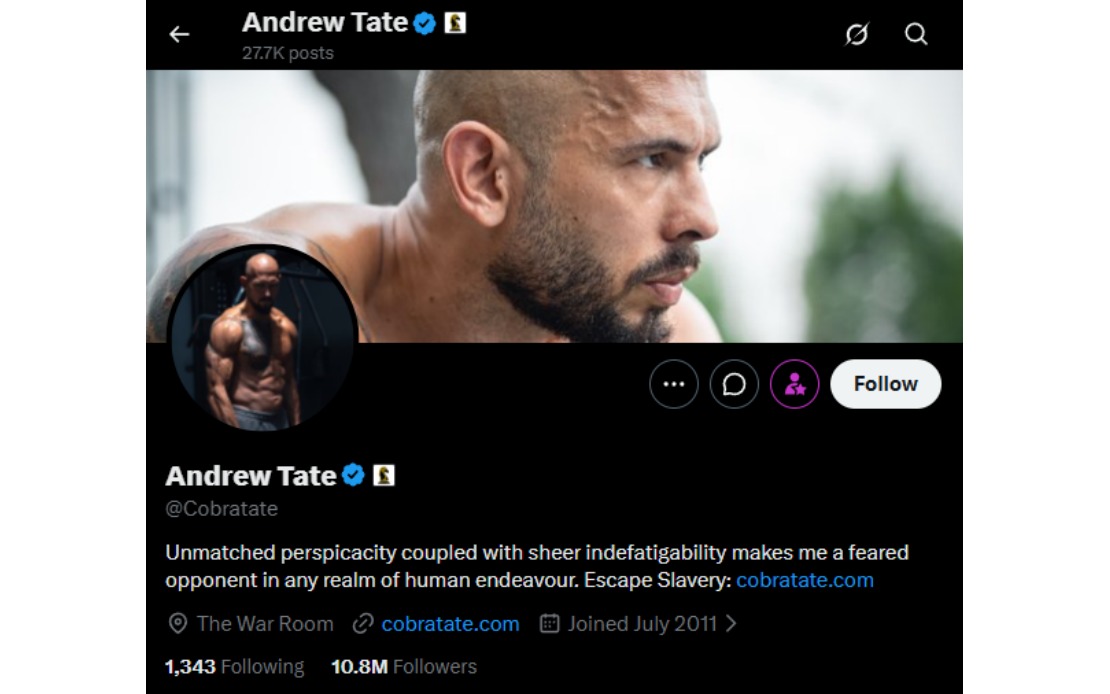
The arrest of Andrew Tate and his brother Tristan in Miami on Saturday represents a significant development in one of the most high-profile criminal cases involving social media personalities. The brothers were taken into custody by the US Marshals Service following the filing of new charges by the United Kingdom's Crown Prosecution Service, according to reports citing ABC News. The timing and jurisdiction of the arrest underscore the international scope of the investigation into the pair, whose online presence and controversial statements have garnered substantial attention across digital platforms worldwide.
Andrew Tate has been a polarising figure in online spaces, known for his aggressive rhetoric surrounding masculinity and relationships. His content and public statements have attracted both devoted followers and intense criticism from those who view his messaging as harmful and misogynistic. The arrest in the United States, despite the charges originating from British prosecutors, demonstrates how legal systems across different nations are increasingly coordinating efforts to address allegations involving global online figures whose influence extends far beyond territorial boundaries. This international cooperation reflects evolving approaches to prosecuting crimes that occur across multiple jurisdictions and digital platforms.
The specific nature of the allegations—rape and sex-trafficking—represents serious criminal charges that carry substantial penalties in most jurisdictions. The decision by UK prosecutors to file these charges suggests they have assembled evidence meeting the threshold for formal prosecution. The involvement of American law enforcement in the arrest, rather than UK authorities, may reflect practical considerations regarding the location of the accused or the strategic coordination between international law enforcement agencies. Such coordination has become increasingly common as digital crimes and allegations spanning multiple countries necessitate cooperative approaches between different national authorities.
The arrest occurred at a moment when scrutiny of social media influencers and their conduct has intensified globally. Regulatory bodies, law enforcement agencies, and platforms themselves are increasingly examining the behaviour and statements of high-profile content creators whose reach extends to millions of followers. In Southeast Asia, including Malaysia, there has been growing concern about the influence of online personalities whose content may promote harmful stereotypes or engage in conduct that violates local laws. The Tate brothers' case will likely inform ongoing discussions about accountability for influential figures operating in digital spaces.
For Malaysian audiences, this development carries particular relevance given the nation's engagement with online content and the concerns repeatedly raised by authorities and civil society regarding foreign influences that may contravene local values and laws. The Malaysian government has on numerous occasions expressed concerns about protecting citizens, particularly younger audiences, from content deemed inappropriate or harmful. The arrest of figures like Andrew Tate reflects broader international efforts to ensure that popularity and digital reach do not place individuals beyond the reach of law enforcement.
The Crown Prosecution Service's announcement of new charges represents a separate development from any prior legal proceedings the brothers may have faced. In many high-profile cases, additional charges emerge as investigations progress and evidence accumulates. The timing and nature of these new allegations will likely form the basis of legal proceedings that could extend across multiple jurisdictions. Such cases often involve complex issues of extradition, jurisdictional authority, and the admissibility of evidence gathered through different legal systems.
The broader implications for social media platforms and content moderation become more pressing with such arrests. Platform operators globally face pressure to address accounts and content from users facing serious allegations. While platform policies vary, the arrest of prominent figures on criminal charges often prompts reviews of whether their accounts and content remain accessible. For Malaysian users and authorities, such cases highlight the need for robust digital literacy and awareness regarding the sources and credibility of online content.
The arrest also illustrates how digital presence and online fame do not provide immunity from criminal prosecution. Despite substantial follower counts and commercial success through online ventures, individuals remain subject to the same laws as others. This principle has become increasingly important as younger audiences worldwide develop parasocial relationships with online personalities, sometimes viewing them as above conventional restrictions. The Tate brothers' arrest serves as a concrete reminder that legal accountability applies universally.
Looking forward, the progression of this case through the American and potentially British legal systems will be closely monitored by observers concerned with online accountability, digital rights, and the evolving relationship between social media influence and legal responsibility. For Malaysia and the broader region, the case exemplifies how international cooperation on law enforcement matters continues to strengthen, and how digital platforms no longer provide safe harbours for those facing serious criminal allegations. The outcome will likely influence future approaches to prosecuting influential online figures and may establish important precedents for cross-border digital crime investigations.

