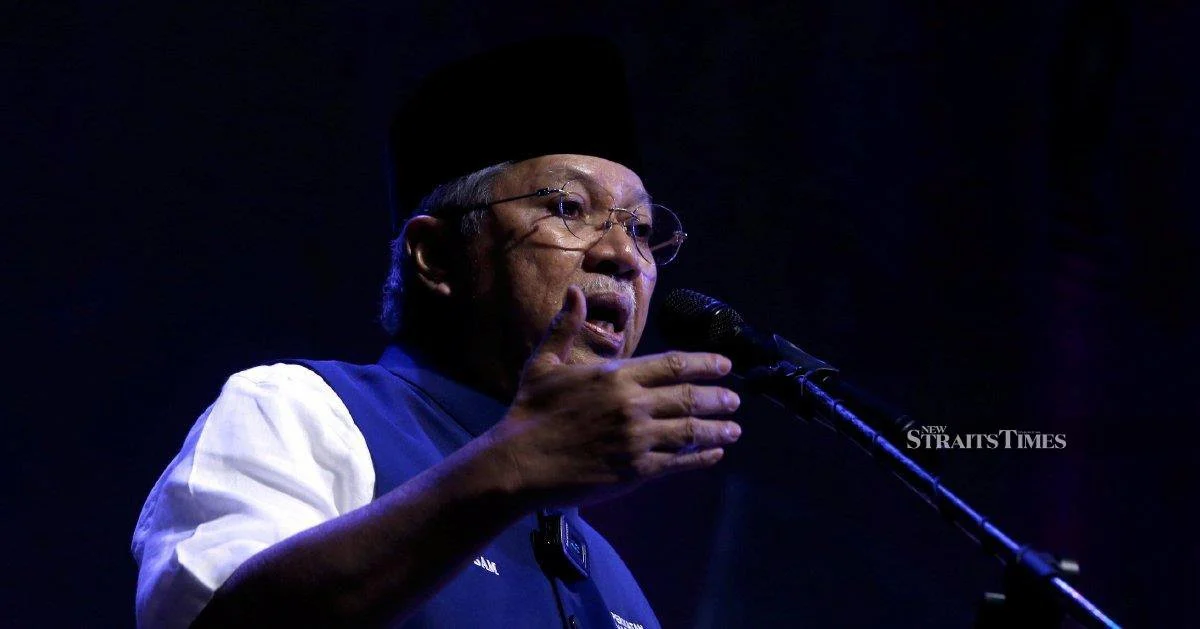
Finance Minister Annuar Musa has called for measured responses from Bersatu as the Perikatan Nasional coalition faces escalating internal tensions that threaten to destabilise the opposition bloc. His appeal for calm comes at a critical juncture for PN, which has been attempting to consolidate its position as the primary challenger to the federal government. The warning suggests deepening cracks within the alliance that could undermine its electoral prospects and governing capacity should it gain power.
The PN coalition, comprising Bersatu, PAS, and several other parties, has been grappling with disagreements over strategy, resource allocation, and leadership direction since its formation. These fault lines have become increasingly visible to the public, potentially damaging the coalition's cohesion and credibility among voters who expect unified opposition messaging. Annuar's intervention indicates that senior figures within the coalition are concerned about the trajectory of internal disputes and their public manifestation.
Bersatu, the party helmed by Muhyiddin Yassin, has been a central player in PN's structure and has often been viewed as a potential alternative to the incumbent Pakatan Harapan government. However, the party's position within the coalition has not always been smooth, with competing interests and ideological differences creating friction between coalition members. The timing of Annuar's remarks suggests that a particular flashpoint may have triggered heightened concerns about the coalition's stability.
Annuar's counsel against premature public statements reflects a broader strategic concern about how internal disputes are being communicated. In Malaysia's political landscape, where media coverage and public perception significantly influence electoral outcomes, unguarded comments from party leaders can spiral into damaging narratives. Coalition partners may use such statements as ammunition for factional disputes, escalating tensions rather than resolving them through quieter channels.
The Finance Minister's position as a Bersatu member gives his appeal particular weight, suggesting that party insiders recognise the danger posed by uncontrolled messaging. His seniority and proximity to economic and government matters mean his warnings are unlikely to be dismissed as the views of a marginal figure. Instead, his call for discipline appears to reflect concerns held by key decision-makers within the party itself.
Peikatan Nasional's challenges mirror broader difficulties facing opposition coalitions in Malaysia, where maintaining unity while respecting the distinct identities and interests of member parties has proven consistently difficult. The 2024 general election environment, with economic headwinds and evolving political dynamics, places additional pressure on opposition alliances to present credible alternatives while avoiding public displays of dysfunction.
PAS, the largest member of PN, has its own institutional interests that do not always align with Bersatu's strategic priorities. These differences extend beyond mere political positioning to fundamental questions about the coalition's direction and which leaders should hold prominent roles. Previous iterations of opposition alliances have foundered when such questions went unresolved, underscoring the gravity of Annuar's intervention.
The coalition's broader standing depends significantly on its ability to manage disagreements constructively behind closed doors. Public disputes, particularly those involving inflammatory language or accusations of bad faith, tend to alienate moderate voters who are genuinely undecided about Malaysia's political future. Annuar's emphasis on restraint acknowledges this electoral reality and represents an attempt to prevent dynamics that would benefit the incumbent government.
Bersatu's response to Annuar's call will provide important signals about the party's commitment to coalition stability. Whether party leaders heed the warning or continue with aggressive public messaging will indicate whether internal discipline mechanisms remain functional. The coming weeks will likely reveal whether PN's constituent parties view their alliance as a long-term strategic commitment or a temporary arrangement of convenience.
For Malaysian voters and observers of Southeast Asian politics, the state of PN carries implications beyond electoral competition. A weakened or fractious opposition bloc affects democratic health by reducing scrutiny of government performance and limiting genuine policy alternatives. The coalition's internal struggles therefore warrant attention not merely as political theatre but as matters affecting governance and accountability in the nation.

%22%2F%3E%3C%2Fpattern%3E%3C%2Fdefs%3E%3Crect%20width%3D%22100%25%22%20height%3D%22100%25%22%20fill%3D%22url(%23phy0vqg)%22%2F%3E%3Crect%20width%3D%22100%25%22%20height%3D%22100%25%22%20fill%3D%22url(%23phy0vqp)%22%2F%3E%3Ctext%20x%3D%2250%25%22%20y%3D%2250%25%22%20text-anchor%3D%22middle%22%20dominant-baseline%3D%22central%22%20fill%3D%22rgba(255%2C255%2C255%2C0.95)%22%20font-family%3D%22Georgia%2C%20'Times%20New%20Roman'%2C%20serif%22%20font-weight%3D%22700%22%20font-size%3D%22170%22%20letter-spacing%3D%22-0.02em%22%3EMalaysia%3C%2Ftext%3E%3C%2Fsvg%3E)