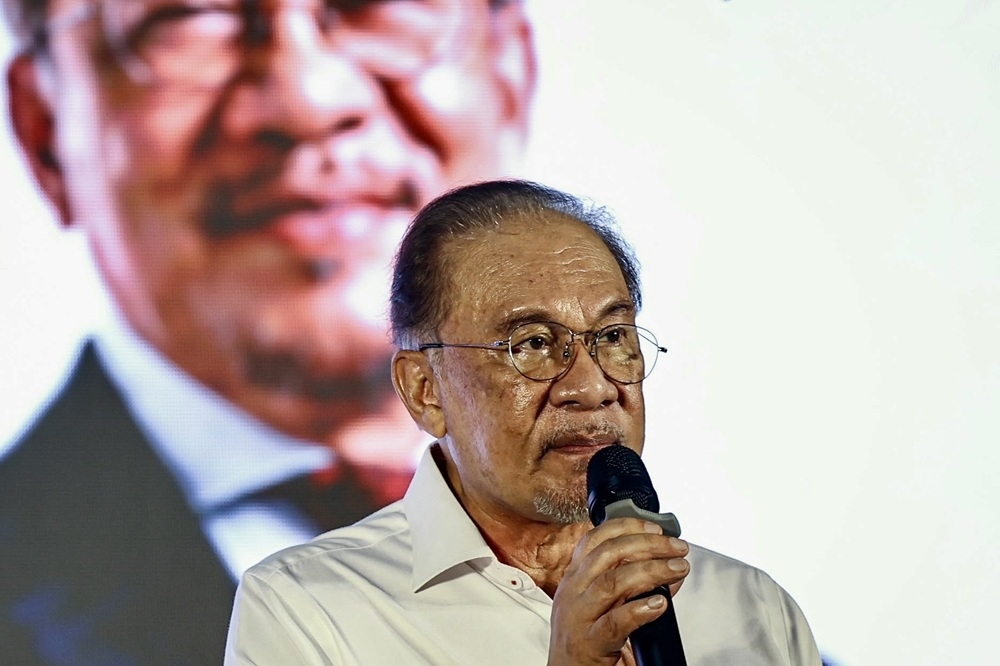
Prime Minister Datuk Seri Anwar Ibrahim acknowledged on Wednesday that he remains without complete details regarding the mounting tensions within the Democratic Action Party's Melaka chapter, even as Pakatan Harapan's senior leadership signalled its readiness to address the situation comprehensively. Speaking to reporters at his official residence, Anwar indicated that the coalition's formal response mechanism had not yet been activated, pending receipt of a thorough report on the circumstances underlying the factional dispute.
The Melaka DAP's internal crisis has deepened amid allegations of mismanagement and leadership challenges that threaten to undermine the party's standing in the crucial southern state. Multiple sources within the party hierarchy have indicated widespread dissatisfaction, with concerns ranging from administrative procedures to resource allocation decisions. These grievances have festered for months, creating a vacuum of confidence that threatens to destabilize the party's organisational structure precisely at a moment when Pakatan Harapan faces mounting pressure from opposition forces seeking to displace the coalition government.
Anwar's cautious positioning reflects the delicate balance required of federal leadership when regional party structures experience internal upheaval. The Prime Minister faces pressure to demonstrate coalition cohesion while respecting individual party autonomy within the broader Pakatan framework. This dynamic has become increasingly contentious given that Melaka represents a symbolically important state for the coalition, particularly following the 2022 state elections that reshaped the political landscape across the peninsula.
The Melaka situation carries implications extending far beyond the state's boundaries. The DAP's credibility as an administrative force and coalition partner hinges significantly on its ability to maintain internal discipline and projecting unified governance within the states it controls. A perception of chronic internal dysfunction could embolden opposition parties to intensify their strategy of attempting to poach assemblypersons through defection, a tactic that has already proven effective in multiple states over the past eighteen months.
Packatan Harapan's declared intention to intervene, once fully seized of the facts, suggests that coalition leaders recognize the potential for cascading damage if the Melaka DAP situation deteriorates further without coordinated response. The coalition's track record on managing internal party disputes has been mixed, with some interventions successfully stabilizing situations while others have inadvertently deepened factional divisions by appearing to favour particular groupings within affected parties.
The timing of the Melaka crisis merits careful consideration within the broader political context. With both federal and state-level elections potentially approaching within the electoral window remaining before 2025, any prolonged paralysis within a state DAP chapter could provide strategic opportunities for opposition parties to gain ground. The Melaka state government, currently under Pakatan Harapan's administration, would face operational difficulties if the ruling coalition's internal coherence visibly crumbles.
Anwar's measured approach also reflects awareness of DAP's critical position within the coalition structure. The party represents significant parliamentary representation at the federal level and controls several state administrations. Its stability is therefore integral to Pakatan Harapan's viability as a governing coalition. However, federal intervention in party-specific matters carries political costs, potentially inviting accusations of interference or favouritism from other coalition partners.
The Prime Minister's commitment that Pakatan Harapan leadership will take action once fully briefed carries implicit acknowledgment that the current situation cannot be indefinitely postponed. Coalition leaders understand that unresolved internal party crises tend to metastasize, creating secondary disputes regarding fairness and leadership legitimacy. Delaying response too long risks allowing frustrated members to seek alternative political homes or, in the case of elected representatives, to consider defection to opposition parties.
For Malaysian observers, the Melaka DAP situation exemplifies persistent challenges facing multiparty coalitions in managing constituent party dynamics. Coalition members must simultaneously maintain individual party identities and preferences while functioning as a unified governmental force. This tension has animated Malaysian politics throughout Pakatan Harapan's period in office and will likely continue shaping coalition functionality regardless of electoral outcomes.
The path forward for Melaka DAP will depend significantly on what Anwar receives in his briefing and the nature of recommendations emanating from that report. Coalition leaders will presumably evaluate whether the dispute stems from personality conflicts susceptible to mediation, ideological differences requiring negotiated compromise, or structural problems necessitating organizational overhaul. The appropriate response varies substantially depending on the underlying diagnostic assessment, explaining why Pakatan Harapan's leadership has signalled readiness to act while awaiting full information rather than rushing to premature judgement.

