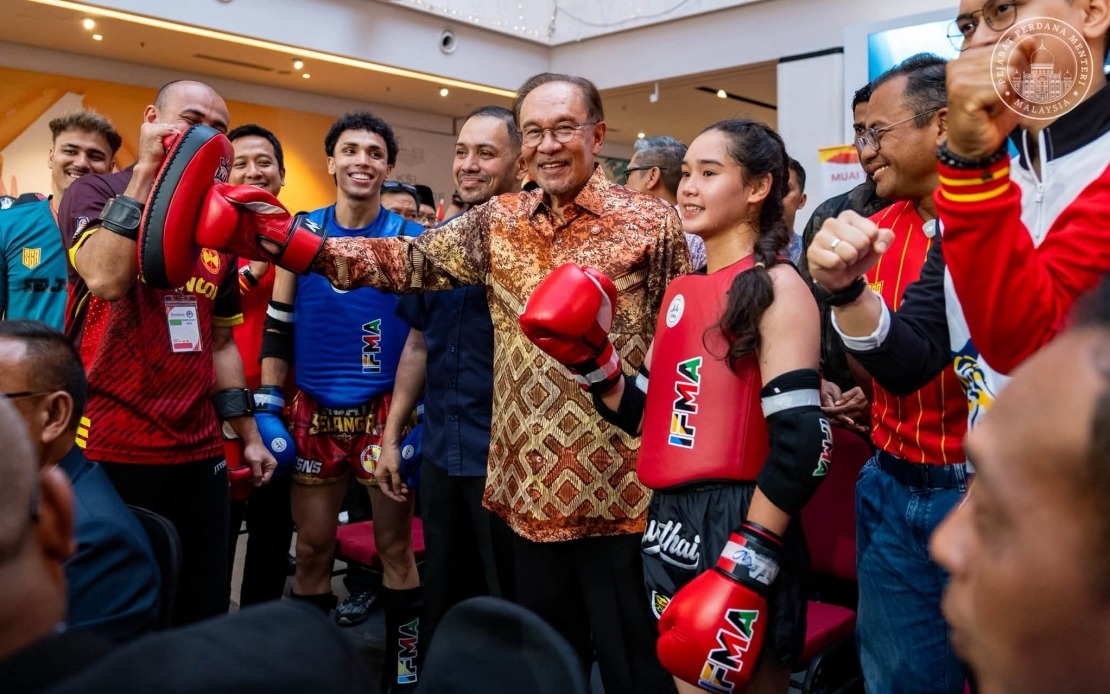
Prime Minister Datuk Seri Anwar Ibrahim has expressed his optimism about the next generation of Malaysian athletes, particularly those competing in the ongoing 2026 Selangor Malaysia Games, suggesting they could become future representatives of the country on international platforms. During a recent visit to the games, where he observed Muay Thai competitions and interacted directly with young competitors, Anwar was visibly impressed by what he witnessed among the participating athletes. Through a Facebook statement, the Prime Minister highlighted the qualities that stood out to him—specifically the spirit, discipline, and courage demonstrated by these young sporting talents, which he views as essential attributes for champions representing their nation.
The 2026 edition of the Selangor Malaysia Games represents a significant milestone for the host state, marking the return of this biennial national sporting event to Selangor after a 28-year interval. The games have drawn more than 5,000 young athletes from every corner of Malaysia, all competing intensely for 468 gold medals across 37 different sports disciplines. This concentration of young talent under one competition creates a unique window for identifying and nurturing future stars who could potentially compete at Southeast Asian and global levels. The breadth of sports on offer—from traditional martial arts like Muay Thai to modern Olympic disciplines—ensures that Malaysian youth have opportunities to showcase abilities across a diverse range of athletic pursuits.
Anwar's public endorsement of these athletes carries particular significance in the Malaysian political context, as it underscores the government's commitment to grassroots sports development and youth empowerment. By personally attending events and meeting competitors face-to-face, the Prime Minister sends a clear message that national leadership takes the nurturing of young talent seriously. This approach reflects an understanding that international sporting success begins with robust domestic competitions that identify, train, and inspire the next generation. The SUKMA games have historically served as a breeding ground for Malaysian athletes who later achieve recognition at Asian Games, Commonwealth Games, and other prestigious international competitions.
The competitive environment fostered by SUKMA extends beyond mere medal counts; it cultivates the mental resilience and work ethic that characterise successful international athletes. Young competitors gain exposure to high-pressure competition, interaction with athletes from different states, and the experience of representing their regions on a national platform. These formative experiences often prove crucial in determining whether a young athlete possesses the temperament and determination needed to succeed at higher levels. For Malaysian sports development, this pipeline from SUKMA to national teams to international representation has proven effective in producing competitive athletes across various disciplines.
Selangor's role as host state for this edition comes with responsibilities beyond logistical organisation. As the nation's most developed state and home to the federal capital region, Selangor has the infrastructure and resources to showcase Malaysian sporting talent at a high standard. The quality of facilities, organisation, and international-standard competition at these games sends a message to participating athletes and the wider world about Malaysia's commitment to sports excellence. Such hosting opportunities also provide younger athletes with the chance to compete in well-maintained venues and under professional management, experiences that prepare them for international competition standards.
The competitive landscape at SUKMA reflects broader trends in Asian youth sports development, where countries increasingly recognise that investing in grassroots and junior competitions yields long-term returns in international sporting success. Malaysia's approach through SUKMA aligns with regional practices observed in neighbouring countries that have achieved notable international success through systematic youth development programmes. The visibility and support afforded to SUKMA participants encourages younger Malaysians to pursue sporting excellence seriously, knowing that pathways exist from school and state competitions through to national representation.
Anwar's emphasis on the athletes' character—their spirit, discipline, and courage—highlights that Malaysian sporting ambitions extend beyond purely technical excellence. These values reflect the holistic approach increasingly adopted by national sports bodies, recognising that successful international athletes require not only physical prowess but also mental strength, work ethic, and commitment to representing their nation with pride. The Prime Minister's framing suggests that Malaysia seeks athletes who embody these qualities, individuals who can succeed on the world stage while upholding national values and dignity.
The timing of Anwar's remarks, during the games' ongoing competition, likely serves to motivate remaining participants and demonstrate government backing for the event. Media coverage of the Prime Minister's attendance and positive comments amplifies the importance of SUKMA within Malaysian sporting discourse, potentially inspiring younger cohorts to aspire toward participation in future editions. This kind of high-level political support can translate into improved funding, facilities, and opportunities for athlete development programmes in states across Malaysia.
Looking forward, the identification and encouragement of talent demonstrated at the 2026 SUKMA will feed into Malaysian sports planning for the coming years, with particular focus on preparing athletes for upcoming regional competitions like the 2025 Southeast Asian Games and longer-term targets such as Olympic representation. The national sports apparatus will likely monitor performances at this games to identify individuals for targeted development programmes and talent academies. Such systematic approaches, when combined with political leadership attention like that shown by Anwar, create the conditions necessary for Malaysia to maintain and improve its competitive standing in regional and international sports.
The Prime Minister's confidence in these young athletes reflects an optimistic vision of Malaysia's sporting future, anchored in the belief that current SUKMA competitors possess the potential to achieve national and regional prominence. As these athletes progress through their careers, the impact of competing at SUKMA and receiving encouragement from national leadership may prove instrumental in determining whether they realise their full potential and bring international glory to Malaysia. For now, the games continue to serve their dual purpose: providing immediate athletic competition while serving as an audition for future national champions.

