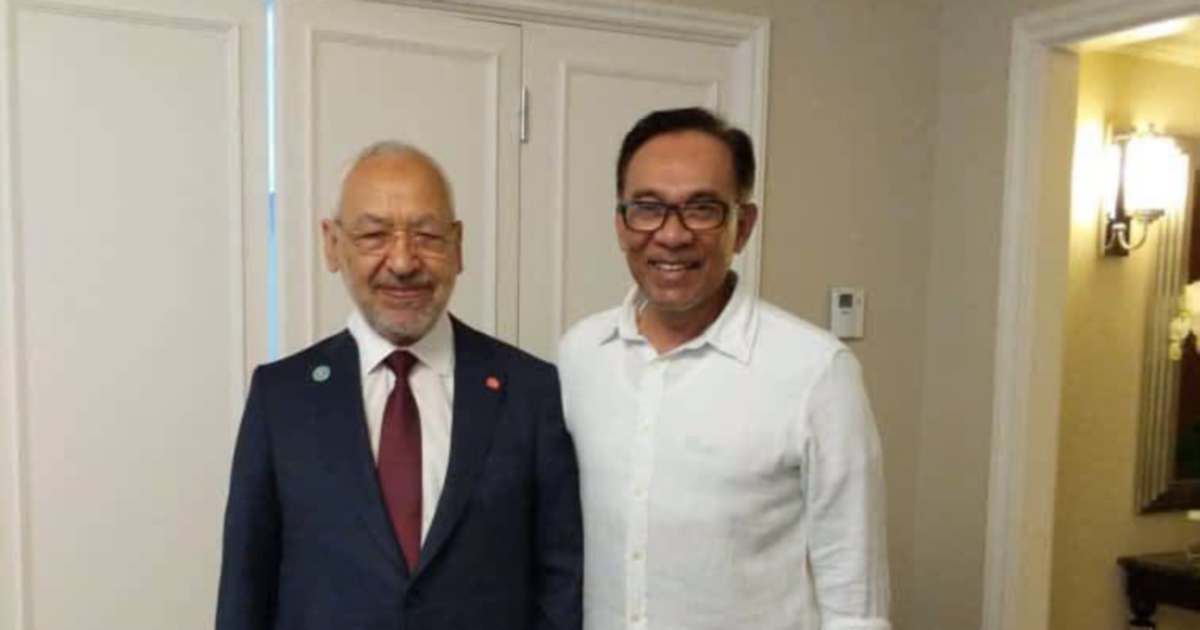
Prime Minister Datuk Seri Anwar Ibrahim has formally approached the Tunisian government through diplomatic channels, dispatching a letter to President Kais Saied that appeals for the release of prominent Tunisian political figure Sheikh Rached Ghannouchi. The Malaysian premier's intervention underscores the growing international concern over Ghannouchi's detention and reflects Malaysia's broader commitment to advocating for humanitarian principles within the Muslim-majority world.
Ghannouchi, a significant political voice in Tunisia and the wider Arab region, has found himself at the centre of escalating tensions within Tunisia's complex political landscape. His continued custody has drawn scrutiny from multiple quarters, with various international observers questioning the circumstances and duration of his incarceration. The appeal from Malaysia's top political leader adds a Southeast Asian dimension to what has thus far been primarily a North African and Middle Eastern concern, suggesting that the case has transcended regional boundaries to capture the attention of Muslim-led governments across the globe.
Anwar's personal involvement in the matter reflects his position as one of the Islamic world's most prominent contemporary political figures and his known advocacy for democratic principles and individual rights. Throughout his political career, the Malaysian premier has positioned himself as a bridge between Islamic governance and liberal democratic values, a stance that has given him credibility and influence among diverse audiences across multiple continents. His decision to formally intervene in the Tunisian situation aligns with this established pattern of engagement on matters he considers to involve fundamental human rights.
The letter's emphasis on humanitarian grounds rather than purely political or ideological arguments demonstrates a carefully calibrated diplomatic approach. By framing the appeal in humanitarian rather than confrontational terms, Anwar avoids direct criticism of President Saied's administration while still making Malaysia's position clear. This measured tone reflects the delicate balance required in international diplomacy, particularly when addressing matters within another nation's sovereign jurisdiction.
Tunisia itself remains a significant flashpoint for political instability and institutional tension across the Mediterranean region and the broader Middle East. The North African nation has experienced substantial constitutional and governance upheaval in recent years, with President Saied consolidating executive power through increasingly controversial means. The detention of opposition and political figures, including Ghannouchi, forms part of a broader pattern that international observers have noted with concern. Ghannouchi's position as a former parliamentary leader and his association with the Ennahda Movement, Tunisia's most significant Islamist political organisation, makes his case particularly symbolically important within Tunisia's fractious political environment.
For Malaysia specifically, the engagement carries particular significance given the nation's historical role as a leading voice within Islamic-majority democracies and its demonstrated commitment to pluralism and inclusive governance frameworks. By publicly advocating for Ghannouchi's release, Anwar positions Malaysia as a defender of both Islamic principles and democratic rights, reinforcing his government's international standing as a responsible custodian of these values. Such interventions carry weight precisely because they come from a government that has navigated the complexity of balancing religious identity with democratic institutional practice.
The appeal also reflects broader Malaysian foreign policy considerations regarding North Africa and the Middle East. Malaysia has historically sought to maintain constructive relationships across the Islamic world while avoiding entanglement in regional conflicts. However, high-profile cases involving imprisonment or restrictions on political and religious figures present situations where Malaysian governments frequently feel compelled to respond, viewing such interventions as consistent with their international identity and moral obligations to the wider ummah.
International responses to cases like Ghannouchi's illustrate the persistent tension between the sovereign rights of nation-states and growing international norms regarding human rights and democratic governance. Tunisia's government has the formal authority to determine the legal status of individuals within its territory, yet the mounting international pressure—exemplified by Anwar's letter—represents an expression of the international community's shifting expectations regarding acceptable treatment of political detainees and opposition figures.
The effectiveness of Anwar's diplomatic overture remains uncertain, though such formal appeals typically contribute to a broader international conversation that can eventually influence decisions regarding detainee treatment. Precedent demonstrates that coordinated international pressure, expressed through official diplomatic channels by respected figures, can sometimes yield results when sustained consistently over time. Whether Tunisia's government will respond positively to Malaysia's appeal depends on numerous factors, including domestic political calculations, international pressure from other sources, and President Saied's assessment of the political costs of either maintaining or altering Ghannouchi's detention status.

