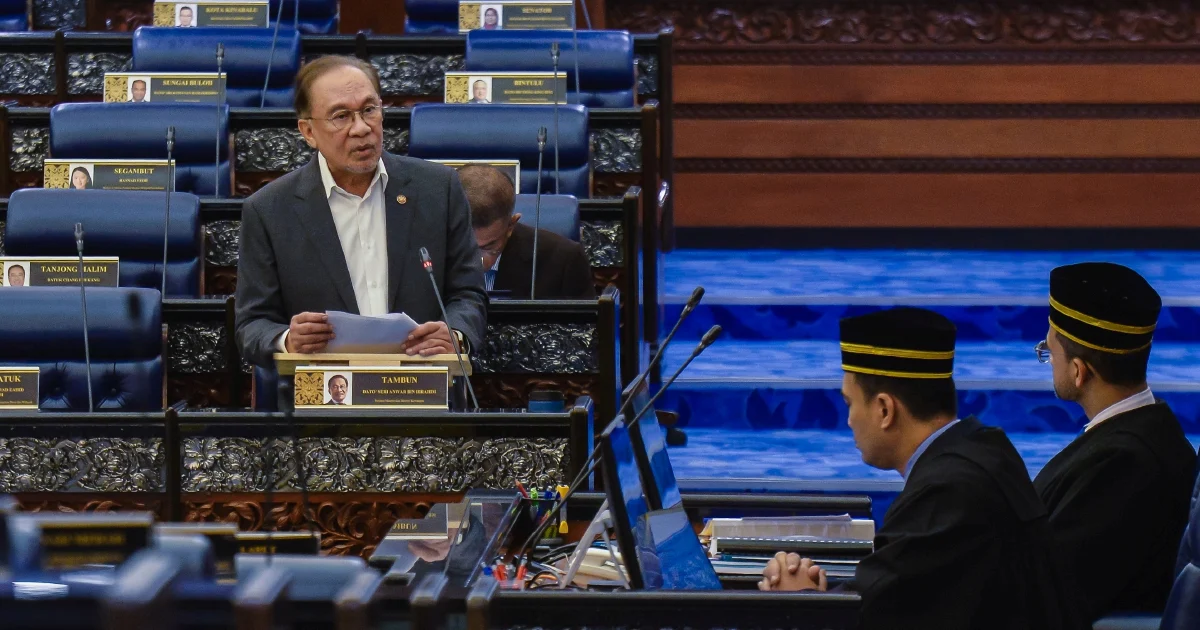
Prime Minister Datuk Seri Anwar Ibrahim moved on Tuesday to quash speculation surrounding the 2026 Johor Felda Settlers' Day celebration in Kluang, asserting that he had not personally ordered its cancellation. The event, which was due to take place earlier this month, became the subject of public controversy when reports emerged suggesting a cancellation directive from the top echelons of government, prompting the premier to issue a direct denial of involvement in any such instruction.
The Felda Settlers' Day celebration represents a significant occasion within Malaysia's agricultural and rural development communities, drawing thousands of settlers who have built their livelihoods within the Federal Land Development Authority scheme. Kluang, situated in Johor, has historically served as an important venue for commemorating the contributions of Felda participants to the nation's rural economy and food security. The gathering traditionally features cultural performances, exhibitions showcasing settler achievements, and forums discussing cooperative development and land management practices.
Anwar's intervention in clarifying his position underscores the sensitivity surrounding government directives affecting rural constituencies and established community programmes. The emergence of speculation about a cancellation had generated considerable discussion within agricultural circles and among Felda communities, who viewed the event as a platform to engage with senior government officials and present concerns about land rights, development initiatives, and cooperative management. The timing of such rumours in the lead-up to the event heightened uncertainty among organisers and potential participants.
The incident illustrates broader dynamics within Malaysia's administrative structure, where directives concerning significant public events can originate from multiple levels of government. Various federal and state agencies coordinate major celebrations, and confusion sometimes arises regarding which authority initiated particular decisions. By publicly denying involvement, Anwar effectively shifted focus toward identifying the actual source of the cancellation decision and clarifying communication channels within the government machinery responsible for event organisation and scheduling.
Felda settlements represent a cornerstone of Malaysia's rural development strategy, encompassing numerous schemes across Peninsular Malaysia, Sabah, and Sarawak. The organisation oversees hundreds of thousands of hectares of agricultural land and manages the welfare of settlers and their dependents. Community events such as the annual Settlers' Day celebration serve multiple purposes—they strengthen social cohesion among participants, provide platforms for addressing grievances, and demonstrate government commitment to supporting those within the scheme. Disruptions to such events can therefore carry significant political and social implications.
From a governance perspective, the situation highlighted communication challenges between the Prime Minister's office and lower-level administrative bodies responsible for event execution. When a prominent celebration faces unexpected cancellation, public speculation inevitably turns toward senior leadership, particularly when no clear explanation emerges from organising authorities. Anwar's statement functioned as a means of transparency, reassuring stakeholders that any cancellation decision had not originated from his directive and implying that alternative explanations should be sought elsewhere within the administrative hierarchy.
The Kluang event's profile extends beyond mere ceremonial significance. Johor, as the nation's second-largest state by area and a major agricultural producer, maintains considerable economic and political importance within the federation. Events affecting rural communities in Johor carry weight across national agricultural policy discussions. Felda settlers, who form a substantial voting bloc in numerous parliamentary constituencies, particularly in Johor, possess considerable electoral influence. Disruptions to their community gatherings can therefore resonate across broader political calculations.
The 2026 Settlers' Day celebration cancellation saga, while relatively contained, reflects persistent tensions around government event scheduling and the coordination between federal and state authorities. Johor maintains both a state government and significant federal presence, creating multiple layers of administrative responsibility. When major events involve both levels of governance, clarity regarding decision-making authority becomes paramount. Anwar's public denial effectively placed responsibility on other entities to explain their actions and restore certainty regarding rescheduling possibilities.
Looking ahead, the clarification provides opportunities for relevant authorities to conduct a transparent review of what transpired and ensure that stakeholders receive consistent communication regarding the celebration's status. Whether the event proceeds in an alternative timeframe or requires substantial reorganisation, clear guidance from coordinating bodies will be essential to maintain confidence in government commitment to supporting Felda communities. The incident underscores the importance of robust communication protocols when managing significant public celebrations that carry community and political significance.
For Malaysian observers monitoring rural development and government-community relations, the episode offers insights into how senior leadership responds when administrative confusion threatens established community events. Anwar's swift clarification demonstrates awareness of the symbolic importance attached to such gatherings within farming communities. Moving forward, stronger inter-agency coordination mechanisms could prevent similar situations, ensuring that major Felda celebrations proceed smoothly and that settlers' voices continue to be heard through established platforms for engagement and advocacy.

