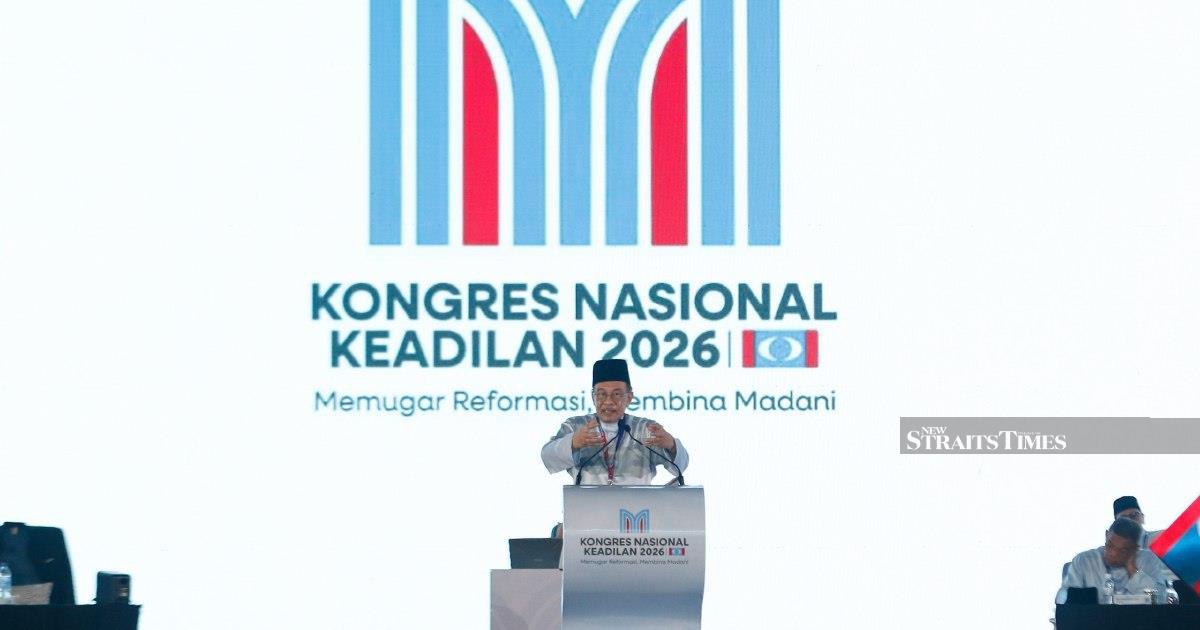
PKR president Datuk Seri Anwar Ibrahim has made a significant public declaration regarding financial misconduct at Tabung Haji, confirming that embezzlement—locally termed 'sakau'—has indeed taken place within the institution, based on investigations outlined in the Royal Commission of Inquiry (RCI) report. The statement came during remarks at the PKR Congress in Ayer Keroh, underscoring growing political attention to governance failures at the state-owned pilgrimage savings body that manages billions of ringgit in funds belonging to Muslim depositors.
The acknowledgment represents an important moment in Malaysia's ongoing reckoning with financial irregularities at major national institutions. Tabung Haji, which operates as a savings and investment scheme designed specifically for Muslims preparing for the Islamic pilgrimage to Mecca, has faced mounting scrutiny over recent years as various problems came to light. The institution holds deposits from hundreds of thousands of Malaysians, making its financial integrity a matter of considerable public concern across religious, political, and economic dimensions.
Anwar's confirmation of the RCI's findings carries particular weight given the opposition leader's historical positioning on transparency and anti-corruption matters. His willingness to publicly name the embezzlement issue reflects the gravity with which PKR views the situation and signals that accountability discussions around Tabung Haji are likely to intensify in parliamentary and public discourse. The timing of his remarks at the party congress suggests this will become a focal point for PKR's governance agenda should the party gain greater influence in government.
The Royal Commission of Inquiry had been tasked with investigating the full scope of Tabung Haji's operational and financial challenges, examining how such significant losses and irregularities were allowed to accumulate under previous management. The RCI's mandate encompassed reviewing internal controls, oversight mechanisms, and the circumstances that permitted improper handling of depositor funds. Its findings, when publicly detailed, would provide citizens and lawmakers with a comprehensive understanding of where accountability gaps existed.
Tabung Haji's struggles have deep implications for Malaysian Muslims who depend on the institution for pilgrimage savings, many of whom are working-class or middle-income earners setting aside funds over years or decades. When embezzlement occurs within such an institution, it directly impacts the hajj aspirations of ordinary Malaysians and undermines confidence in state-managed financial entities entrusted with household savings. The breach of this trust extends beyond individual depositors to affect perceptions of institutional governance across the public sector.
The revelation also underscores broader questions about supervisory frameworks within Malaysian institutions. How oversight bodies and regulatory mechanisms failed to detect or prevent sakau at Tabung Haji—an institution that should be subject to rigorous auditing and transparency requirements—points to systemic weaknesses that may extend to other agencies. This invites scrutiny of whether similar problems might exist elsewhere in the government-linked institutional landscape, where layers of bureaucracy sometimes obscure accountability.
For PKR, emphasizing these governance failures serves multiple strategic purposes. It reinforces the party's anti-corruption messaging and distinguishes its approach from previous administrations. By directly addressing the Tabung Haji situation, Anwar and PKR position themselves as willing to confront uncomfortable institutional realities rather than allowing such matters to remain obscured by bureaucratic silence or political convenience. This transparency-focused stance appeals to voters concerned about public accountability and institutional integrity.
The embezzlement findings also intersect with broader conversations about reforming Malaysia's religious institutions and agencies. Tabung Haji occupies a unique space as a financial entity deeply rooted in Islamic practice and community trust. Any remedial measures must balance financial recovery, prevention of future misconduct, and restoration of depositor confidence. The solutions will likely require strengthening governance structures, enhancing whistle-blower protections, and implementing more robust external oversight.
Moving forward, Anwar's public confirmation suggests that detailed recommendations from the RCI report are likely to form the basis for legislative or administrative reforms. Whether these take the form of new regulations, management restructuring, or enhanced punitive mechanisms against those responsible for embezzlement will be closely watched by depositors and civil society organizations focused on institutional accountability. The PKR Congress statement indicates that this issue will remain prominent in political discourse surrounding economic governance and public institutional reform.
The confirmation also highlights the political salience of institutional failures in contemporary Malaysian politics. Voters increasingly expect their leaders to address governance breakdowns transparently and to articulate concrete remedies. By directly engaging with the Tabung Haji situation, Anwar signals PKR's intention to confront such challenges head-on rather than allowing them to fade from public attention. This approach may resonate with constituents fatigued by institutional opacity and seeking genuine accountability from their political representatives and public institutions alike.

