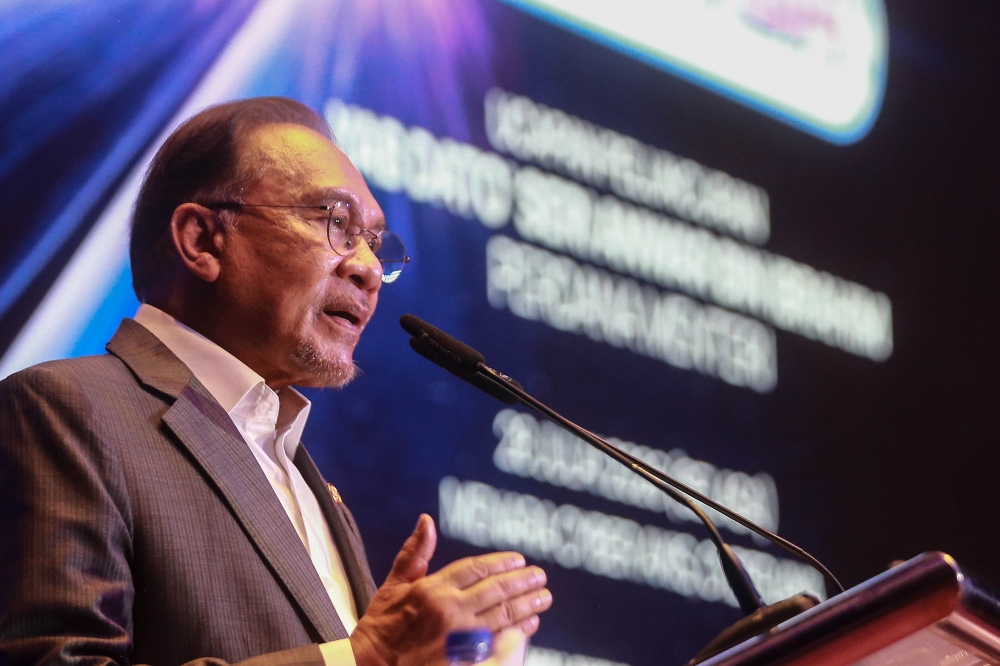
Prime Minister Datuk Seri Anwar Ibrahim confirmed on Monday that the long-awaited Royal Commission of Inquiry report into Tabung Haji will be made available to the public today, signalling a major development in efforts to address governance concerns at Malaysia's pilgrimage savings authority. The announcement, made in Petaling Jaya, represents a culmination of extensive investigations into the operations and management of the fund, which holds the savings of millions of Malaysian pilgrims preparing for their Hajj journeys.
The Tabung Haji inquiry has become one of the more prominent accountability exercises undertaken by the current administration, reflecting heightened scrutiny of how state-linked institutions manage public assets. The fund has faced persistent questions about financial performance, investment decisions, and internal governance structures. The RCI's examination sought to comprehensively review these matters and provide recommendations for institutional reform. The timing of the report's release suggests the government believes it has sufficient findings to warrant immediate public disclosure, rather than a delayed or restricted circulation.
For Malaysian pilgrims and their families, the report carries direct implications. Tabung Haji serves as the primary vehicle through which hundreds of thousands of Malaysians save and prepare for their religious obligation of Hajj. The management and performance of these funds directly affects the financial security of individuals who may have contributed savings over many years. Any mismanagement or governance lapses uncovered by the RCI would directly impact public confidence in an institution entrusted with considerable sums of private savings dedicated to a sacred religious purpose.
The decision to release the report publicly rather than confining it to parliamentary or government circles suggests a commitment to transparency, though the actual contents and specific recommendations will determine whether this represents substantive accountability. Public disclosure allows citizens, civil society organisations, media commentators, and opposition figures to scrutinise the commission's findings independently. This openness can either reinforce confidence in institutional reform efforts or, conversely, spark further debate if the findings are perceived as insufficiently critical or if recommended remedies are considered inadequate.
Tabung Haji's governance challenges extend beyond financial management to questions of institutional independence and accountability frameworks. The fund operates in a unique space between private savings management and quasi-governmental functions, a positioning that has sometimes created ambiguity about appropriate oversight mechanisms. The RCI's examination likely addresses whether existing regulatory structures are adequate or whether legislative or operational changes are necessary. These findings will inform policy discussions about how Malaysia oversees similar organisations managing public or quasi-public resources.
The broader context of this investigation reflects a wider pattern of governance reviews undertaken since the change of administration. Multiple royal commissions and special committees have examined various state institutions, signalling an intent to address what previous leadership and civil society had identified as accountability gaps. This approach carries both symbolic and practical significance. Symbolically, it demonstrates commitment to institutional cleansing; practically, it generates roadmaps for structural reform. However, the real measure of such exercises depends on whether recommendations are subsequently implemented and whether identified individuals face appropriate consequences.
For Tabung Haji management and board members who may be implicated in any findings of misconduct, the report's release could trigger administrative action, legal proceedings, or political pressure for resignation. The nature and severity of findings will determine whether consequences are primarily reputational or extend to formal disciplinary or legal measures. Stakeholders ranging from aggrieved pilgrims to opposition parliamentarians will likely dissect the report carefully to assess whether accountability matches the scale of any wrongdoing identified.
The investment performance of Tabung Haji's portfolio represents another critical area the RCI would have examined. During previous market downturns and economic challenges, the fund's returns have sometimes lagged expectations, raising questions about asset allocation strategies and the expertise of investment decision-makers. Poor investment choices can directly reduce the retirement savings available to pilgrims, making this a matter of tangible financial consequence for ordinary Malaysians rather than merely abstract governance concern.
International dimensions may also feature in the RCI's scope. Some investments by Tabung Haji have involved overseas assets and international financial markets. Questions about due diligence in overseas investments, exposure to foreign exchange volatility, and potential involvement with controversial entities would fall within a comprehensive institutional review. These matters carry implications for Malaysia's financial reputation and the country's ability to manage sovereign and quasi-sovereign funds responsibly.
The release of the report today also occurs within Malaysia's broader governance reform conversation. Civil society organisations, professional associations, and good governance advocates have long pressed for stronger institutions and more rigorous accountability mechanisms across the public sector. The Tabung Haji inquiry represents one concrete response to these demands. Whether its findings and the government's subsequent implementation of recommendations satisfy reform advocates will significantly influence perceptions of commitment to institutional improvement.
Looking ahead, the real impact of this RCI will be measured not merely by the report's release but by what transpires afterward. Will recommendations be implemented promptly and comprehensively? Will identified wrongdoing result in meaningful consequences? Will structural reforms address root causes or merely cosmetic adjustments? These questions will determine whether this exercise represents genuine institutional accountability or merely procedural formality. Malaysian pilgrims, who depend on Tabung Haji's integrity for their financial future, will be watching these developments closely.

