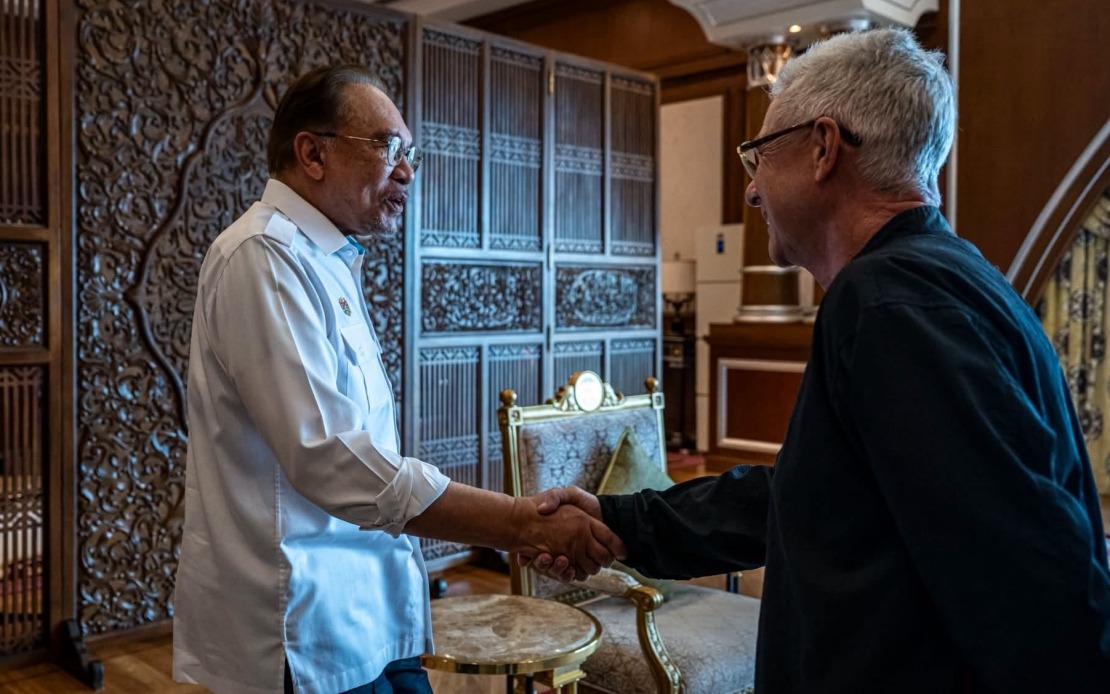
Prime Minister Datuk Seri Anwar Ibrahim has taken a strategic approach to preparing Malaysia for its return to hosting a major Formula 1 event, meeting with Singapore Grand Prix Executive Director Michael Roche to examine operational best practices that have made the Lion City's race a global success. The consultation comes as the nation prepares to host the 2026 Formula 1 Gulf Air Bahrain Grand Prix at Sepang International Circuit from October 2 to 4, marking a significant moment for Malaysian motorsports following a nearly decade-long absence from the Formula 1 calendar.
The meeting reflects a pragmatic decision-making process within the Prime Minister's office, leveraging the regional expertise of a neighbouring country that has transformed its Grand Prix into one of Asia's premier sporting spectacles. Singapore's night race has become a benchmark for event management, hospitality standards, and fan engagement across the motorsports world. By engaging directly with its executive leadership, Malaysia signals its intent to learn from tested frameworks rather than approaching the undertaking in isolation. This collaborative approach underscores the competitive yet cooperative nature of regional development, where nations can benefit from shared knowledge without compromising their individual ambitions.
According to statements released through the Prime Minister's official channels, the primary objective centres on ensuring the Bahrain Grand Prix at Sepang meets international standards while positioning Malaysia as a credible regional motorsports destination. This dual focus—operational excellence paired with strategic positioning—reflects an understanding that hosting a single world-class event can catalyse broader economic and reputational benefits. The discussions likely covered logistics, safety protocols, spectator management, broadcaster coordination, and vendor arrangements, all critical dimensions of delivering a seamless experience to the global Formula 1 audience.
The economic dimensions of hosting the Grand Prix extend far beyond the race weekend itself. Officials project that the event will generate substantial tourism inflows, create employment opportunities across hospitality, transportation, and services sectors, and stimulate business activity in ancillary industries ranging from accommodation to hospitality. Such international sporting events typically trigger multiplier effects throughout the economy as visitors spend on dining, entertainment, shopping, and transport. For Malaysia, which has been actively promoting Visit Malaysia 2026 as a tourism initiative, the Formula 1 Grand Prix represents a high-visibility platform for reaching affluent international audiences and demonstrating the country's infrastructure capabilities.
The return of Formula 1 to Sepang carries particular symbolic weight given the circuit's storied history. Between 1999 and 2017, the Malaysian Grand Prix was a fixture on the Formula 1 calendar, establishing Sepang as a venue synonymous with world-class motorsports competition. That streak ended primarily due to the escalating financial burden of hosting fees and licensing agreements, costs that had become unsustainable within Malaysia's sporting budget allocations. The hiatus represented not merely a loss of sporting prestige but also a gap in the tourism calendar and a missed opportunity for economic activity during the racing season.
The current arrangement takes an innovative form through collaboration between Malaysia and Bahrain. The original Bahrain Grand Prix was scheduled for April at the Bahrain International Circuit but was rescheduled to October at Sepang International Circuit following geopolitical tensions affecting the Middle East region. This partnership model offers mutual advantages: Malaysia regains a Formula 1 presence while Bahrain maintains its calendar commitment, and the race benefits from accessing Sepang's sophisticated facilities and Malaysia's established motorsports infrastructure. Such arrangements increasingly characterise how international sporting bodies negotiate logistics, scheduling, and risk management in an interconnected world.
The geopolitical backdrop to the event's relocation adds complexity to Malaysia's hosting responsibilities. The shift from April in Bahrain to October in Malaysia reflects the security and operational challenges posed by regional tensions, requiring robust contingency planning and coordination with international authorities. Malaysia must demonstrate that it can execute the race safely and professionally despite these external pressures, thereby enhancing its credentials as a dependable venue for global sporting spectacles. The success of October's Grand Prix could influence future event allocations and Malaysia's standing within international sporting bodies.
From a competitive motorsports perspective, hosting the Bahrain Grand Prix positions Malaysia within the Formula 1 calendar during a critical period of the season. An October race places the event near the climax of the championship campaign, potentially meaning that both drivers' and constructors' titles remain contested. This timing typically generates heightened media attention and public interest, amplifying the global visibility of the host nation. The excitement and tension inherent in such championship-deciding moments can translate into enhanced international coverage and elevated prestige for the hosting circuit.
The consultation with Singapore's executive leadership also signifies Malaysia's commitment to learning from established best practices rather than reinventing operational frameworks. This pragmatic approach suggests that Kuala Lumpur recognises the value of tested methodologies while adapting them to local contexts and preferences. Singapore's Grand Prix has cultivated a reputation for meticulous organisation, world-class hospitality, and innovative fan experiences—qualities that Malaysia would logically seek to emulate while adding distinctively Malaysian elements. The exchange of knowledge between the two cities contributes to regional capacity-building in sports management and event hosting.
For Malaysian investors and the business community, the Grand Prix represents opportunities extending beyond the immediate race week. Infrastructure investments, venue upgrades, and service sector expansion triggered by hosting preparations can yield longer-term economic benefits. Hotels, restaurants, transport operators, and entertainment venues across the Klang Valley and Selangor region stand to benefit from increased visitor traffic. Additionally, securing regular Formula 1 events could position Malaysia as a preferred destination for other international sporting fixtures, multiplying the economic dividend from successful hosting practices.
The commitment articulated by Prime Minister Anwar reflects broader national aspirations to position Malaysia as a competitive, globally-oriented nation capable of executing complex international undertakings. Hosting a Formula 1 Grand Prix demands coordination across multiple government agencies, private contractors, international bodies, and regional partners—a demonstration of institutional capability and political will. Success in October would reinforce Malaysia's attractiveness to international event organisers and investors evaluating the country as a location for future activities.
Looking forward, the 2026 Formula 1 Bahrain Grand Prix at Sepang represents both a culmination of years of negotiation and a potential beginning of a renewed Formula 1 presence for Malaysia. Whether this proves a singular event or the first of a new series will depend significantly on factors including the success of October's execution, financial sustainability, and Malaysia's continued commitment to motorsports development. The consultation with Singapore's leadership ensures that Malaysia enters this critical period armed with global best practices, positioning the nation for success on one of the world's biggest sporting stages.

