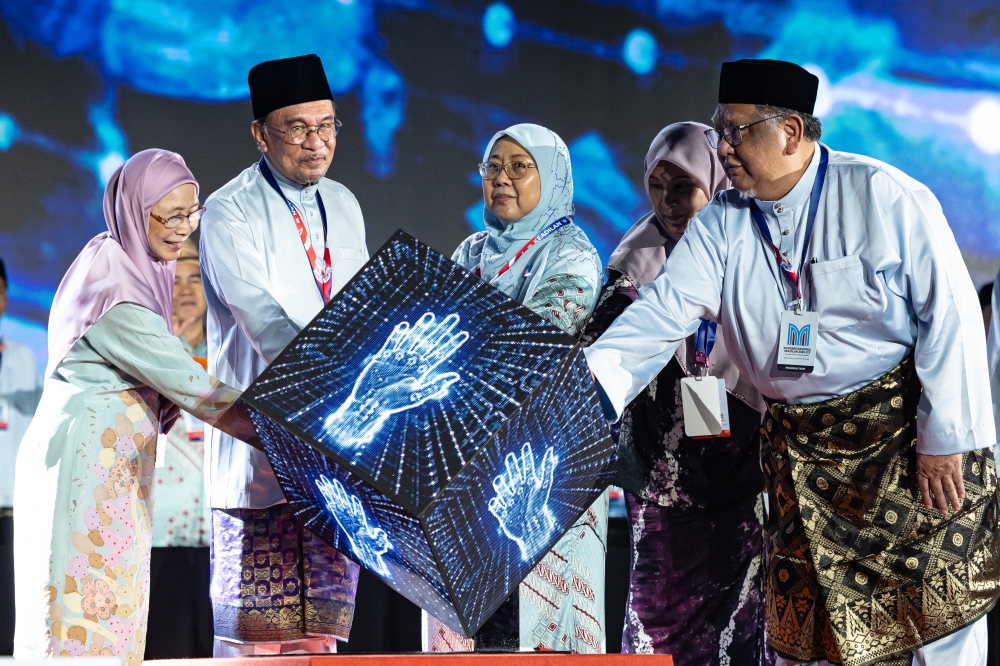
Prime Minister Datuk Seri Anwar Ibrahim has moved to counter accusations that his administration treats certain states unfairly, insisting that the Madani government has substantially increased development allocations to Sabah, Sarawak, Kedah, and Kelantan. Speaking in Melaka on Thursday, Anwar directly challenged what he characterised as misleading narratives circulating among political opponents, emphasising that the federal government's fiscal approach remains transparent and equitable across all thirteen states and federal territories.
The Prime Minister's remarks reflect growing political tensions over how Malaysia's federal budget is distributed, a perennial flashpoint in a nation where regional representation and resource allocation carry profound symbolic weight. Anwar's assertion that opposition-held and East Malaysian states have benefited materially under Madani serves as both a factual counter-claim and a preemptive political message ahead of what observers anticipate could be an increasingly fractious parliamentary session. The timing of his statement underscores how allocation decisions remain central to coalition management and electoral positioning across Malaysia's highly competitive political landscape.
Sabah and Sarawak, which together encompass nearly three-fifths of Malaysia's landmass yet contain less than a fifth of its population, have historically championed greater fiscal autonomy and resource control. These two states retain special constitutional protections and have wielded considerable political leverage during coalition negotiations. Anwar's emphasis on increased funding reflects recognition that East Malaysian support remains instrumental to the stability of any federal government. The Madani coalition has worked deliberately to cultivate ties with both states, understanding that their political weight extends far beyond their parliamentary seat count.
Kedah and Kelantan present a different dynamic. Both states are governed by Pakatan Harapan component parties, yet each faces its own distinct economic challenges and development priorities. Kedah, long positioned as an agricultural and manufacturing hub, requires sustained investment in irrigation infrastructure and industrial capacity. Kelantan, meanwhile, has pushed for greater federal support to diversify its economy and address regional development disparities. The Prime Minister's specific mention of these states suggests an intentional strategy to demonstrate that the Madani government allocates resources based on governance effectiveness and economic need rather than partisan considerations.
The political backdrop to Anwar's comments cannot be overlooked. Opposition parties, particularly those in Peninsular Malaysia, have occasionally levelled accusations of fiscal favouritism, arguing that resources flow preferentially toward states aligned with federal coalition partners or toward East Malaysian states perceived as politically crucial. These criticisms, whether substantive or rhetorical, carry electoral resonance in states where voters feel economically marginalised or overlooked by federal policy-makers. Anwar's direct rebuttal attempts to neutralise such narratives before they solidify into broader public perception.
Malaysia's federal budget allocation system operates within complex constitutional and political frameworks that balance peninsular representation against East Malaysian special status and recognise different states' demographic and economic profiles. The mechanisms determining how funds flow to states involve multiple stages of parliamentary approval, ministerial allocation, and implementation by state governments themselves. Transparency in these processes remains variable, creating space for competing claims about fairness and equity. Anwar's intervention suggests the federal government believes sufficient documentary evidence exists to support claims of increased allocations to the states mentioned.
For Malaysian businesses and investors watching state-level development, funding announcements carry practical implications. Infrastructure investment, institutional capacity, and project completion timelines all hinge partly on federal budget allocations. States with reliable funding can commit to longer-term industrial development strategies and public-private partnerships. The Madani government's willingness to publicly defend its allocation decisions indicates confidence in the underlying figures and a strategic determination to prevent opposition narratives from dominating fiscal discourse.
The broader regional context matters as well. Southeast Asian governments increasingly compete for foreign direct investment and multinational presence, and consistent, predictable funding for infrastructure and services strengthens a state's proposition to investors. Malaysian states marketing themselves to global business communities benefit from perceptions of stable funding and strategic development planning. Anwar's public commitment to equitable allocation indirectly reinforces Malaysia's appeal as an investment destination by demonstrating governmental commitment to inclusive regional development.
Moving forward, the substantive question regarding allocation equity will likely remain contested terrain in Malaysian politics. While Anwar's assertion provides official justification, independent analysis of budget documents, fund disbursement rates, and per-capita spending across states could either validate or complicate the Prime Minister's claims. Different analytical frameworks—measuring total allocations versus per-capita distributions, comparing capital versus recurrent spending, or examining implementation efficiency—could yield divergent conclusions about whether current arrangements constitute genuine equity.
Anwar's statement ultimately reflects the delicate political balancing act that characterises Malaysian federalism. Governing requires simultaneously maintaining coalition cohesion, responding to electoral pressures, managing East Malaysian expectations, and projecting fiscal responsibility nationally. By publicly defending allocations to specific states, the Prime Minister signals that such considerations occupy a central place in Madani cabinet deliberations. Whether such rhetoric translates into sustained policy commitment across successive budget cycles will largely determine whether these commitments gain traction among voters and political stakeholders across Malaysia's diverse regional landscape.

