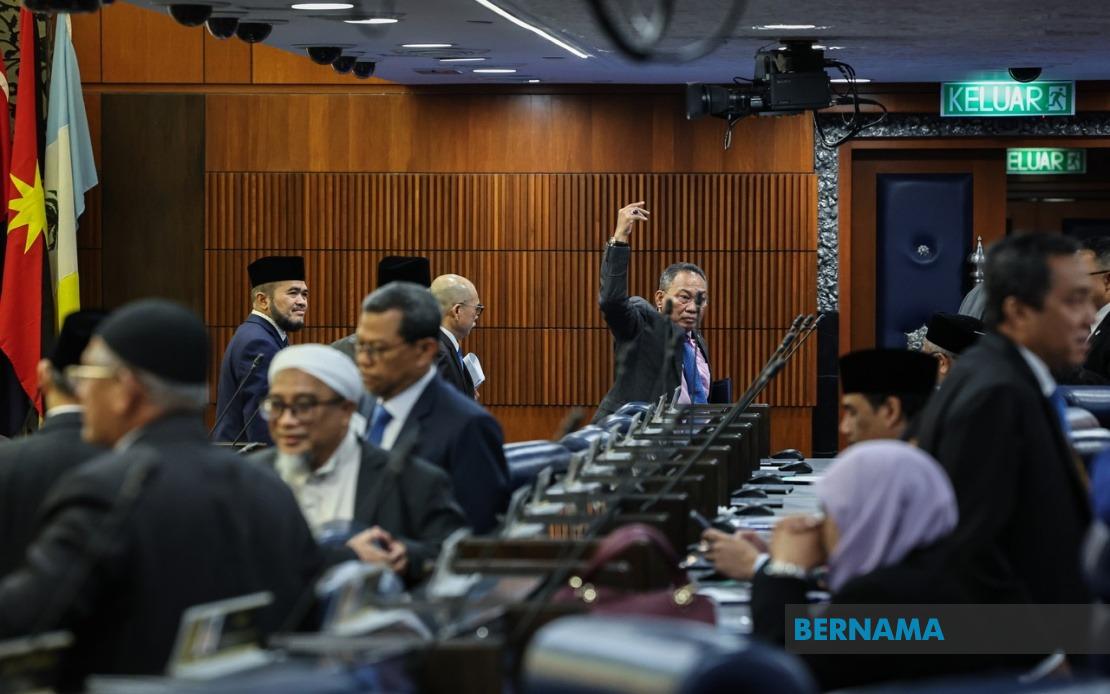
Prime Minister Datuk Seri Anwar Ibrahim has accused the Opposition of manufacturing political theatre around the Lembaga Tabung Haji (TH) crisis, insisting that public discourse should centre on institutional reform and betrayed depositors rather than personal attacks on his leadership. Speaking through a Facebook statement on August 11, Anwar framed the growing parliamentary controversy as a deliberate attempt to obscure substantive failures within TH and shift blame away from those he characterised as having compromised the organisation's integrity.
The Prime Minister's rebuke followed a dramatic parliamentary walkout by multiple Opposition lawmakers during a special sitting of the Dewan Rakyat convened to discuss findings from the Royal Commission of Inquiry into TH operations. The Opposition members staged their protest against Speaker Tan Sri Johari Abdul's decision to proceed without Anwar's physical presence and his rejection of a motion to adjourn the session. This procedural dispute highlighted growing tensions between the government and PN-led Opposition over how accountability for TH's financial deterioration should be handled and by whom.
Anwar's absence from the session stemmed from medical constraints rather than avoidance—he was recovering from elective laparoscopic surgery to address a para-umbilical hernia and undergoing physiotherapy. Yet his non-attendance became a flashpoint, with Opposition figures using his absence to suggest inadequate personal accountability from the prime ministerial office. The government's decision to proceed with ministerial briefings on the RCI findings regardless created the conditions for the walkout and subsequent political escalation.
The underlying dispute centres on the 211-page RCI report released on July 29, which documented systemic weaknesses in TH's governance and investment management between 2014 and 2020. The inquiry identified 25 recommendations for institutional strengthening, with TH having already implemented approximately 75 per cent of these measures as of late July. These technical findings reveal genuine operational failures across multiple years—a period spanning governments and administrations—making the institution vulnerable to partisan claims of mismanagement by different political factions.
Anwar's rhetorical strategy shifted the frame decisively. Rather than defending specific administrative actions or governance choices, he appealed to the interests of ordinary Malaysians—fishermen, farmers, teachers, police personnel, soldiers and retirees—whose lifetime savings reside in TH accounts. By positioning the crisis as affecting vulnerable and working-class communities, he anchored the debate in human impact rather than institutional politics. This framing implicitly challenges the Opposition to explain why parliamentary grandstanding serves these groups' interests better than focused reform efforts.
His pointed question to the PAS-led Perikatan Nasional coalition—whether they genuinely prioritise the welfare of working Malaysians dependent on TH for retirement and pilgrimage savings—carries particular force given PN's political positioning as defenders of Malay-Muslim interests. Anwar's challenge invites voters to consider whether Opposition theatrics in parliament actually advance the financial recovery that TH depositors require, or whether they merely instrumentalise genuine institutional failures for political gain.
The timing of the RCI establishment and report release reflects Malaysia's complex accountability landscape. The government announced the inquiry in 2021, appointed commissioners in January 2022, and received the final report in August 2022—a process spanning multiple years and political transitions. The delay in public release until July 2024 suggests either confidentiality protocols or procedural complexities that likely contributed to the parliamentary friction. Different actors have had extended time to formulate political responses to the findings, potentially hardening positions across factional lines.
For Malaysian depositors and regional observers, the real significance lies not in parliamentary posturing but in implementation momentum. The 75 per cent implementation rate by TH indicates substantive operational changes are underway, though the remaining 25 per cent of recommendations warrant scrutiny. The inquiry's findings about management weaknesses over 2014-2020 are matters of public record, and regardless of political disagreement about interpretation or blame, the institution's future stability depends on sustained institutional reform rather than parliamentary spectacle.
The Opposition's walkout strategy, while dramatising their concerns about procedural fairness and prime ministerial accountability, risks appearing obstructionist to voters whose primary concern is whether their TH savings remain secure and whether the institution can fulfil its religious and economic mission effectively. Anwar's invocation of betrayed depositors and his framing of the debate as a choice between substantive reform or political theatre may resonate strongly with the religious and working-class constituencies most affected by TH's difficulties.
Moreover, this episode illustrates broader patterns in Malaysian parliamentary politics where institutional crises become vehicles for inter-coalition conflict rather than occasions for unified national response. The Tabung Haji situation involves genuine governance failures documented through an official inquiry—circumstances that should theoretically unite lawmakers around remedial measures. Instead, disagreements over procedural details, ministerial attendance, and parliamentary decorum have partially overshadowed discussion of actual reform implementation and depositor protection.
Southeast Asian governments increasingly face pressure to strengthen institutional oversight and restore public confidence in social safety nets. Malaysia's Tabung Haji crisis, affecting millions of Muslim citizens across income levels, presents an opportunity for demonstrating that credible reforms can proceed despite political divisions. The success of TH's recovery programme will ultimately matter far more to ordinary Malaysians than which faction can claim credit in parliament or whether Prime Ministers attend particular sessions during medical recovery periods.

