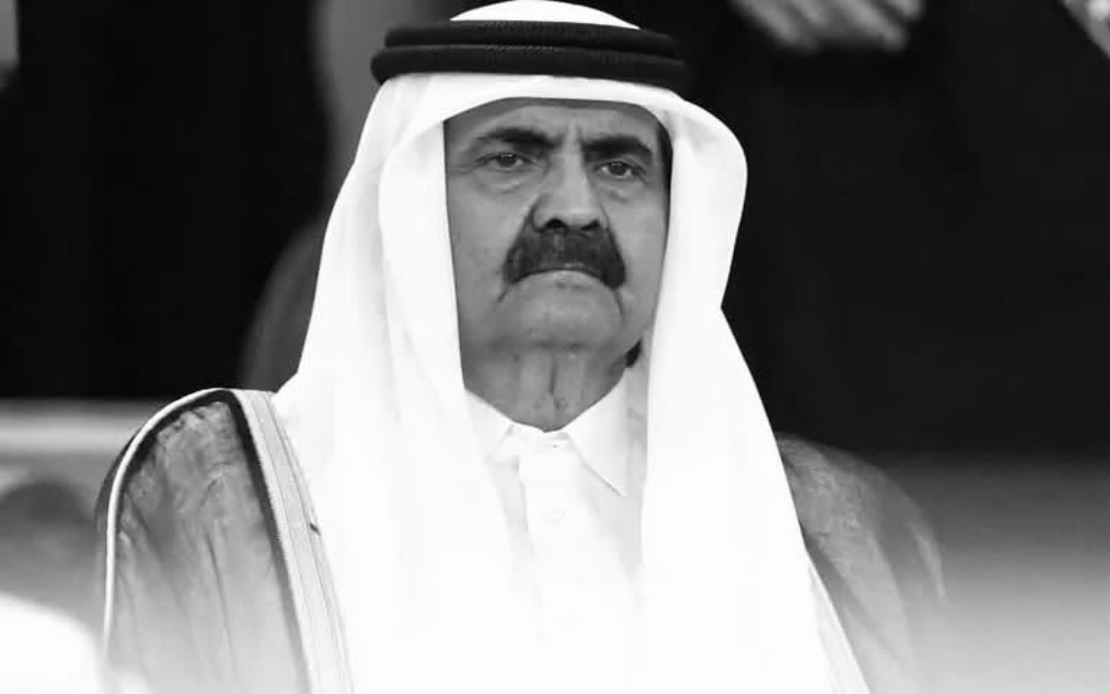
Prime Minister Datuk Seri Anwar Ibrahim has conveyed Malaysia's heartfelt sympathies to the State of Qatar following the death of Sheikh Hamad bin Khalifa Al Thani, the Father Amir who shaped the Gulf nation's meteoric rise over nearly two decades. In remarks shared via Facebook, Anwar acknowledged the loss felt by Qatar's current Amir Sheikh Tamim bin Hamad Al Thani, the broader royal family, and the Qatari people as they mourn their former leader, who passed away on Sunday morning at the age of 74.
During his 18-year tenure as Amir from 1995 until his voluntary transfer of power in 2013, Sheikh Hamad oversaw Qatar's transformation from a modest regional state into one of the world's most economically and diplomatically consequential nations. Anwar highlighted the extraordinary economic achievements realised under Sheikh Hamad's visionary stewardship, noting how Qatar simultaneously elevated itself as a formidable actor in both regional Middle Eastern affairs and broader international diplomacy. The prime minister's tribute underscored how the late leader's strategic decisions—from diversifying Qatar's economy beyond hydrocarbon exports to investing heavily in infrastructure, education, and cultural institutions—positioned the nation as a bridge between East and West.
What Anwar particularly emphasised as a hallmark of Sheikh Hamad's legacy was his unprecedented decision in 2013 to voluntarily relinquish power to his son. This act of transferring authority to a new generation stands as a remarkable departure from entrenched patterns of succession in the region, demonstrating what Anwar described as statesmanship of the highest order. The peaceful and planned transition exemplified mature governance and signalled confidence in Qatar's institutional development beyond any single leader's tenure. For observers across Southeast Asia and the developing world, this model of managed succession offers instructive lessons about institutional continuity and dynastic responsibility.
Beyond economic metrics and diplomatic standing, Anwar characterised Sheikh Hamad as a steadfast ally of Malaysia and a profoundly respected voice within the wider Islamic world. The description reflects the depth of bilateral relations between Kuala Lumpur and Doha, relations that have been nurtured across multiple decades and sectors ranging from trade and investment to cultural exchange and religious dialogue. Qatar's strategic partnerships with Malaysia have extended beyond government-to-government ties to encompass substantial economic interests, particularly in real estate, tourism, and financial services.
The timing of Sheikh Hamad's passing carries particular significance for Malaysia and the broader Southeast Asian region, as Doha continues to play an influential role in international mediation efforts and multilateral forums where Malaysian interests are represented. Qatar's neutral diplomatic posture, cultivated under Sheikh Hamad's tenure, has often positioned it as a facilitator in regional disputes and a custodian of dialogue initiatives that benefit smaller and middle-power nations seeking equitable representation in global affairs.
In his condolence message, Anwar invoked Islamic prayer traditions by requesting divine mercy upon the departed soul and requesting strength for the bereaved royal household and nation. The invocation of Al-Fatihah, the opening chapter of the Quran, reflected the spiritual dimension of Malaysia's response and underscored the bonds of Islamic brotherhood that transcend political borders. Such expressions carry particular resonance in Malaysia, where Islam remains integral to national identity and official statecraft, particularly within Prime Ministerial discourse.
The Qatari Amiri Diwan's official announcement of Sheikh Hamad's passing marked the end of an era during which Qatar transformed from a peripheral Gulf state into a nation commanding outsized global influence. His reign witnessed Qatar's hosting of unprecedented international events, its elevation as a seat of soft power through media organisations and educational institutions, and its emergence as a significant player in addressing international crises through diplomatic mediation.
Sheikh Hamad's successor, his son Sheikh Tamim bin Hamad Al Thani, has continued and expanded many of his father's strategic initiatives while adding his own modernisation agenda. The current Amir has maintained Qatar's commitment to international engagement whilst overseeing the country's preparation as host of major global sporting events. The stability of the transition engineered in 2013 has proven a vindication of Sheikh Hamad's confidence in his chosen successor and the robustness of Qatar's governing institutions.
Malaysia's formal expression of condolences reflects the importance Kuala Lumpur places on its Gulf partnerships at a moment when Southeast Asian nations are increasingly diversifying their diplomatic and economic relationships beyond traditional Western partners. Qatar represents not merely a bilateral relationship but a gateway to Gulf Cooperation Council engagement and Islamic world coordination. The depth of Anwar's tribute suggests that Malaysian policymakers view continuity in Qatar's leadership and stability in Gulf affairs as consequential for regional equilibrium and Malaysia's own strategic positioning.

