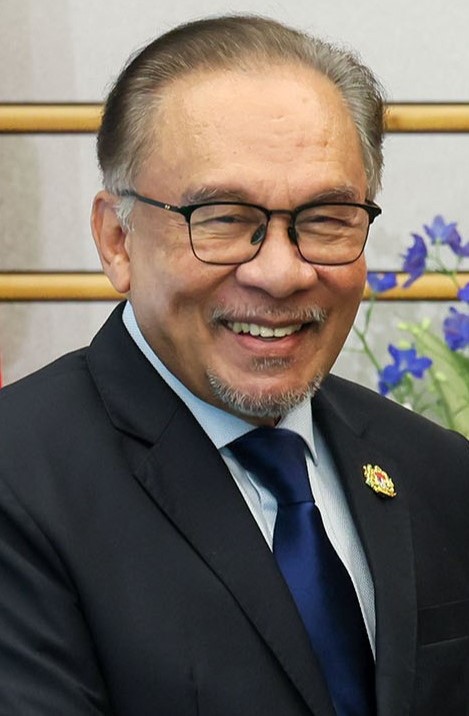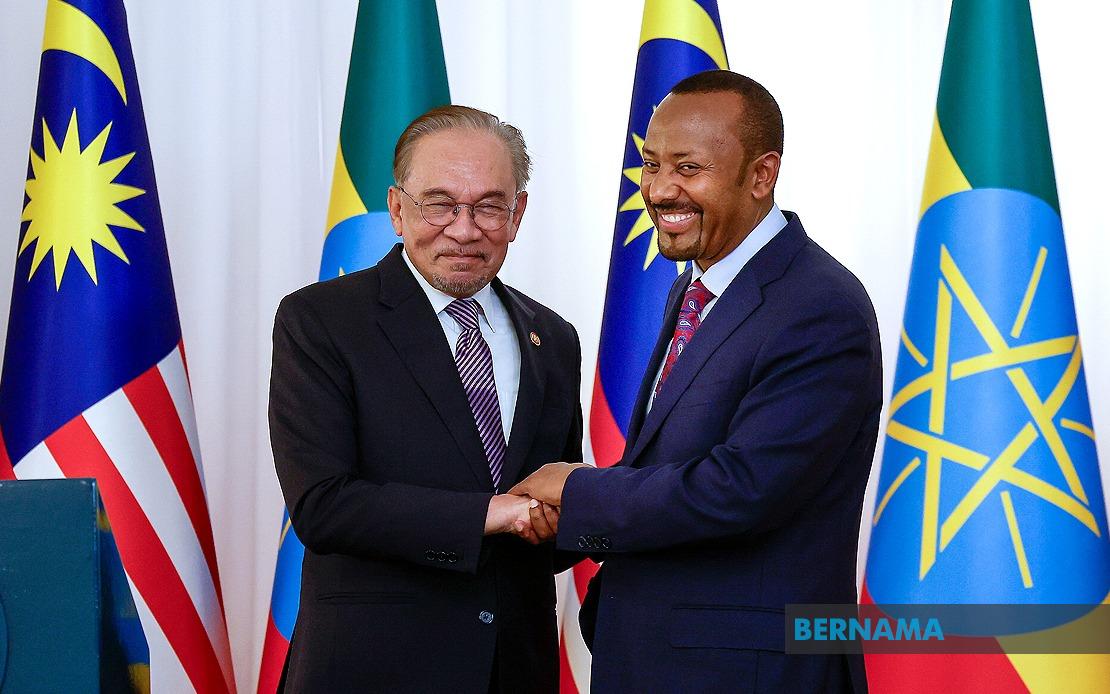
Prime Minister Datuk Seri Anwar Ibrahim has publicly extended his felicitations to Ethiopian Prime Minister Abiy Ahmed Ali and the Prosperity Party following their triumph in Ethiopia's latest general election. The Malaysian leader shared his congratulatory message through social media, underscoring the significance of the electoral outcome for the East African nation and its leadership.
In his statement, Anwar drew upon his recent diplomatic engagement with Ethiopia, recalling his visit to Addis Ababa just over a year ago—a journey that held particular historical weight as the first official visit by a Malaysian prime minister to the Ethiopian capital. The visit itself represented a milestone in bilateral relations, demonstrating Malaysia's strategic interest in deepening its connections across the African continent at the highest political level.
The Prime Minister characterised his encounters with Abiy during that landmark visit as substantive and warm, highlighting the receptive atmosphere in which Malaysia's top diplomat was received. Anwar emphasised that his conversations with the Ethiopian premier revealed a convergence of perspectives on major global issues and contemporary challenges, suggesting that both nations view international developments through comparable lenses. This alignment of worldviews provides a foundation for constructive cooperation on matters of mutual concern.
Crucially, Anwar articulated a compelling vision for South-South collaboration, asserting that nations comprising the Global South possess considerable potential to advance shared interests through partnership as equal stakeholders. This philosophical stance reflects Malaysia's broader diplomatic strategy of cementing ties with fellow developing nations and emerging economies, particularly in regions where Malaysia has traditionally maintained limited engagement. The assertion that developing countries benefit substantially from treating one another as peers rather than competitors or subordinates challenges traditional North-South power dynamics and positions Malaysia as an advocate for equitable international relations.
The Prime Minister identified Ethiopia as occupying an important position within Malaysia's continental African strategy. Beyond the immediate diplomatic courtesy, his characterisation of Ethiopia as a significant partner reveals strategic calculations about the nation's role as a regional power, host to the African Union headquarters, and gateway to East African markets and influence. Ethiopia's geopolitical centrality and economic potential make it an invaluable connection point for Malaysian business and political interests seeking to expand across the continent.
Anwar signalled continuity and momentum in the bilateral relationship by referencing the various initiatives and agreements established during his previous visit. His statement that "there is much that we set in motion last year" suggests concrete projects and frameworks now underway, whether in trade, investment, cultural exchange, or diplomatic coordination. The explicit intention to "carry it forward together" under Abiy's renewed mandate indicates Malaysia's confidence in deepening this partnership and building upon the diplomatic groundwork already laid.
The timing of Anwar's congratulatory message carries diplomatic weight beyond mere protocol. By publicly recognising Abiy's electoral victory and the Prosperity Party's mandate, Malaysia signals its acceptance of the election outcome and its commitment to working with the incumbents. For Ethiopia, emerging from complex political circumstances in recent years, such international affirmation from a significant Asian developing nation carries meaning in terms of legitimacy and regional standing.
For Malaysia, cultivating strong relationships with key African nations serves multiple strategic objectives. Economically, Malaysia seeks to position itself as a preferred partner for African nations navigating development challenges and seeking alternative partnerships beyond traditional colonial powers. Diplomatically, deepening African engagement enhances Malaysia's voice within multilateral forums and strengthens its positioning as a Global South representative. The explicit focus on engaging Africa as equals rather than from a position of assumed superiority also aligns with Malaysia's self-identity as a champion of developing world interests.
The emphasis on shared reading of global circumstances between Malaysian and Ethiopian leadership underscores how bilateral relationships increasingly pivot on worldview alignment rather than geographic proximity or historical ties alone. In an era of geopolitical competition between great powers seeking influence in Africa, Malaysia's approach of building South-South partnerships offers an alternative model that prioritises mutual benefit and respect for sovereignty.
For Malaysian business interests and professionals, Abiy's political stability and continued governance creates a more predictable operating environment. The electoral validation of the Prosperity Party provides continuity in policy direction and reduces uncertainty for Malaysian companies exploring opportunities in Ethiopian manufacturing, trade, and services sectors. Ethiopia's growing economy and strategic location make it an increasingly important destination for Malaysian investors seeking African exposure.
The cordial tone and substantive engagement described by Anwar contrast sharply with Malaysia's historical limitations in African diplomacy. Beyond trade missions and sporadic high-level visits, Malaysia has traditionally maintained modest institutional presence across the continent. Anwar's deliberate cultivation of African relationships, exemplified by his Ethiopia visit and now his election congratulations, represents an inflection point in Malaysian foreign policy toward the continent. This shift reflects both Anwar's personal diplomatic priorities and Malaysia's evolving strategic calculations about its place in an increasingly multipolar world where African nations represent significant demographic, economic, and political weight.